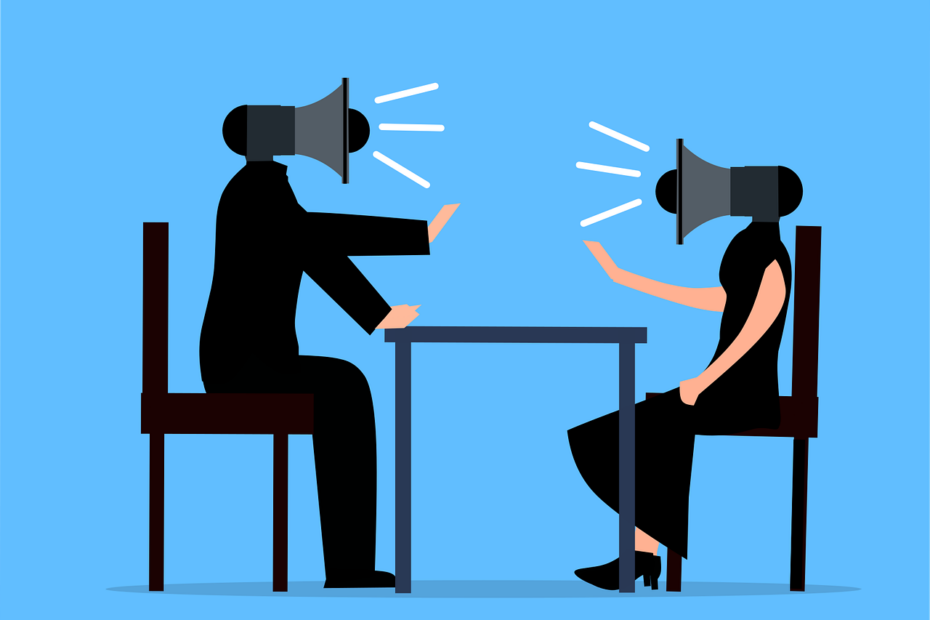
Conflict management personality traits shape the way each of us responds when disagreements arise — whether in a classroom, an office, or at home. Research grounded in the Big Five personality model suggests that who you are at a psychological level strongly predicts how you will handle interpersonal friction, from the words you choose to whether you engage at all. Understanding this connection is not just an academic exercise; it is a practical tool that can help you navigate difficult conversations more skillfully and build healthier, more resilient relationships.
Conflict itself is not inherently negative. When managed well, disagreements can spark creative problem-solving, deepen mutual understanding, and even strengthen the bonds between people. The challenge is learning to harness that potential rather than letting conflict spiral into lasting damage. This article draws on peer-reviewed research linking the Big Five personality dimensions to specific conflict resolution styles, and translates those findings into clear, actionable guidance anyone can apply starting today.
Once again, personality researcher and author of Villain Encyclopedia, Tokiwa (@etokiwa999), will provide the explanation.
※We have developed the HEXACO-JP Personality Assessment! It has more scientific basis than MBTI. Tap below for details.

目次
- 1 What Is Conflict and Why Does It Matter?
- 2 Conflict Management Personality Traits: How the Big Five Shape Your Conflict Style
- 3 The 5 Core Conflict Resolution Styles — And When to Use Each One
- 4 Actionable Conflict Communication Strategies: Turning Personality Insight Into Practice
- 5 Frequently Asked Questions
- 5.1 Can you completely avoid conflict in daily life?
- 5.2 Can someone learn a conflict resolution style that doesn’t match their natural personality?
- 5.3 How does workplace conflict management differ from conflict in personal relationships?
- 5.4 What should you do when you become too emotional to think clearly during a conflict?
- 5.5 What can you do if the other person refuses to engage in resolving the conflict?
- 5.6 Which of the Big Five personality traits is most associated with effective conflict resolution?
- 5.7 How can someone with high neuroticism improve their conflict management skills?
- 6 Summary: Use What You Know About Yourself to Resolve Conflict Better
What Is Conflict and Why Does It Matter?
Defining Conflict and Its Common Origins
Conflict is a situation in which 2 or more people perceive their goals, values, or needs as incompatible. It surfaces in everyday life in many forms — a minor disagreement with a friend over weekend plans, a heated debate about project direction at work, or a long-running family dispute over deeply held values. Research suggests that conflict tends to cluster around at least 4 recurring sources:
- Differing personal values — what one person sees as non-negotiable, another may view as flexible.
- Competing methods for reaching goals — two people may want the same outcome but disagree sharply on how to get there.
- Scarcity of resources — limited time, budget, or recognition can trigger rivalry even among otherwise cooperative people.
- Communication gaps or misunderstandings — a careless phrase or an unanswered message can ignite tension that has nothing to do with the underlying issue.
Recognizing which source is driving a particular conflict is, in itself, the first productive step toward resolution. When people misdiagnose the cause — treating a resource conflict as a values clash, for example — they often apply the wrong remedy and make things worse. Developing the habit of pausing to ask “what is actually driving this disagreement?” is one of the simplest yet most powerful conflict communication strategies available.
How Conflict Affects Individuals and Groups
Poorly managed conflict carries real costs — for individuals, teams, and entire organizations. At the personal level, studies indicate that unresolved interpersonal tension is linked to at least 4 measurable negative outcomes:
- Elevated stress and anxiety — the body’s threat-response system activates even during low-level social conflict.
- Reduced productivity — mental bandwidth consumed by worry leaves less cognitive capacity for actual work.
- Deteriorating relationships — resentment that builds silently is often harder to repair than openly expressed disagreement.
- Physical health consequences — chronic conflict-related stress has been associated with sleep disruption and immune suppression.
At the group level, unresolved conflict tends to erode teamwork, delay projects, reduce collective motivation, and create a climate where people feel unsafe raising new ideas. Conversely, research shows that groups equipped with shared conflict resolution skills consistently outperform those that are not. This makes interpersonal conflict management not merely a personal life skill but a genuine organizational asset.
Two Core Types: Structural Conflict vs. Emotional Conflict
Psychologists generally distinguish between 2 broad conflict types, and matching your resolution strategy to the correct type dramatically improves your chances of success. Structural conflict arises from external, situational factors — role overlap, unequal resource distribution, or poorly defined responsibilities. Emotional conflict stems from internal, relational factors — clashing personal values, hurt feelings, or accumulated misunderstandings. Treating a structural conflict as though it were purely emotional (or vice versa) frequently results in frustration on both sides. A systematic approach that first identifies which type is present, and then selects the appropriate resolution style, is far more effective than a one-size-fits-all response.
Conflict Management Personality Traits: How the Big Five Shape Your Conflict Style
The Big Five personality model — also known as OCEAN — describes human personality along 5 broad dimensions: Openness, Conscientiousness, Extraversion, Agreeableness, and Neuroticism (sometimes called Emotionality). Research published in peer-reviewed management journals, including a widely cited study on the relationship between the Big Five personality factors and conflict management styles, suggests each dimension predicts distinct tendencies in how people approach disagreement. Understanding your own profile can help you play to your natural strengths and deliberately compensate for your blind spots.
Extraversion: The Active Engagement Tendency
People who score high in extraversion tend to confront conflict head-on and seek resolution through open dialogue. Because extraverts draw energy from social interaction and generally feel comfortable expressing their views, they are more likely to initiate direct conversation when tension arises. Research suggests this trait correlates with 3 characteristic conflict behaviors:
- Proactive opinion-sharing — extraverts are less likely to let grievances fester silently.
- Collaborative problem-solving — they tend to seek group input rather than unilateral decision-making.
- Emphasis on open dialogue — they value talking things through, sometimes at length, to reach mutual clarity.
This approach is frequently effective at resolving conflict quickly, but extraverts should be mindful that more introverted counterparts may feel overwhelmed by the pace or intensity of their engagement. Slowing down and creating space for quieter voices often leads to richer outcomes.
Neuroticism (Emotionality): The Avoidance Tendency
Individuals higher in neuroticism, or emotional reactivity, tend to experience conflict as more threatening and are more likely to withdraw or avoid confrontation altogether. This is not a character flaw — it reflects a heightened sensitivity to social threat that has deep evolutionary roots. The practical consequences, however, include:
- Pulling back from situations that feel conflict-prone — even before an actual disagreement emerges.
- Avoiding direct confrontation — preferring to keep the peace in the short term even if issues remain unresolved.
- Self-protective emotional withdrawal — reducing social exposure to minimize the risk of being hurt.
For people with this trait profile, developing stress regulation skills — such as mindful breathing, journaling, or brief planned pauses during tense conversations — can meaningfully expand their repertoire of conflict resolution styles. Learning to tolerate a moderate level of discomfort in the short term is often the key to achieving far better relational outcomes over time.
Conscientiousness: The Principled Problem-Solver
High-conscientiousness individuals approach conflict the way they approach most challenges — with preparation, structure, and a strong sense of fairness. This personality dimension encompasses traits like dependability, self-discipline, and long-term goal orientation. In conflict situations, these characteristics typically manifest as:
- Logical, organized analysis of the problem — they prefer to understand all facets before proposing solutions.
- Commitment to fairness and honesty — they are unlikely to accept an agreement they perceive as unjust, even if it would end the dispute quickly.
- Persistent follow-through — once a resolution is reached, conscientious people tend to honor it reliably.
This makes them particularly effective in complex, multi-party conflicts where sustained effort and careful documentation matter. The potential downside is rigidity — sometimes the “perfect” solution is the enemy of a workable one, and highly conscientious people may need to practice flexibility when time or goodwill is limited.
Agreeableness: The Harmony-Seeker
Highly agreeable individuals prioritize relational harmony and tend to manage conflict by actively listening, accommodating others’ needs, and seeking mutually acceptable solutions. Their warmth and empathy make them natural peacemakers, and their conflict behaviors typically include:
- Genuine attentiveness to the other person’s perspective — they listen not just to reply but to understand.
- Prioritizing reconciliation over winning — they are willing to set aside personal preferences to restore the relationship.
- Searching for solutions grounded in mutual respect — they tend to reject zero-sum thinking.
This profile is extremely valuable for long-term relationship maintenance and team cohesion. The risk, however, is chronic accommodation — highly agreeable people sometimes suppress their own legitimate needs to the point where resentment eventually surfaces anyway. Learning to advocate assertively for one’s own interests, while still remaining empathetic, is the key growth edge for this personality type.
Openness to Experience: The Creative Solution-Finder
People high in openness tend to approach conflict as an intellectual puzzle, actively generating novel solutions and remaining flexible when conventional approaches fail. Their characteristic curiosity and comfort with ambiguity lead to 3 distinctive conflict behaviors:
- Proposing unconventional resolutions — they are not bound by “how things are usually done.”
- Reframing the conflict itself — they can shift the entire conversation to a new, more productive frame.
- Embracing change as part of resolution — they often see conflict as an opportunity to redesign processes or relationships for the better.
High-openness individuals are especially effective when a conflict has become stuck and needs fresh thinking to unlock. The challenge is that their preference for novelty can occasionally make them impatient with the slower, more incremental work of negotiation, and their ideas may sometimes feel impractical to more conventional partners.
The 5 Core Conflict Resolution Styles — And When to Use Each One
Personality shapes your default conflict resolution style, but it does not lock you in permanently. Research identifies 5 primary styles that people draw on — consciously or not — when managing disagreement. Understanding all 5 gives you a fuller toolkit, regardless of your personality profile.
Integrating Style: Collaborative Problem-Solving
The integrating style is widely considered the most constructive approach because it treats conflict as a shared problem to be solved together, rather than a competition to be won. It is characterized by:
- Full disclosure of each party’s needs and concerns — nothing is kept off the table.
- Pursuit of shared goals — both parties work toward an outcome that serves everyone.
- Creative, mutually beneficial solutions — the aim is to expand the pie, not merely divide it.
Research consistently shows that the integrating style produces the highest levels of satisfaction and relationship quality over time. It requires more time and emotional investment than other styles, but those costs are generally recouped through stronger trust and fewer recurring conflicts. This style tends to come most naturally to individuals high in agreeableness and openness.
Dominating Style: Asserting Your Position
The dominating (or competing) style involves pursuing one’s own goals forcefully, even at the expense of the other party’s satisfaction. Its key features include:
- Strong, confident assertion of one’s position
- Prioritization of personal or organizational objectives
- Willingness to apply pressure or leverage to prevail
This style can be appropriate in genuine emergencies, when a decision must be made swiftly and there is no time for consensus-building, or when one party has unique expertise and clarity that others lack. However, relying on it habitually damages trust and tends to produce compliance without commitment — people follow the outcome outwardly while resenting it inwardly. Studies suggest this style correlates most strongly with low agreeableness and high extraversion.
Avoiding Style: Sidestepping the Conflict
The avoiding style means withdrawing from or postponing engagement with a conflict, rather than addressing it directly. Characteristics include:
- Declining to engage in potentially confrontational discussions
- Maintaining surface-level calm by not raising the issue
- Deferring resolution indefinitely
Avoidance is occasionally strategic — when emotions are too raw for productive dialogue, a brief pause can allow both parties to cool down before re-engaging. But as a default pattern, avoidance is problematic: unresolved issues rarely disappear on their own, and they tend to resurface later with accumulated intensity. Research links this style most strongly to high neuroticism and, to some extent, low extraversion.
Compromising Style: Finding the Middle Ground
The compromising style involves each party giving up something in order to reach an agreement that is acceptable, if not ideal, for everyone. It is defined by:
- Reciprocal concessions — both sides yield on some points.
- Active negotiation toward a midpoint
- Speed and practicality — often the fastest path to a workable agreement.
Compromise is particularly valuable when time is short, when resources are genuinely limited, or when a perfect solution simply does not exist. The limitation is that neither party fully achieves their goals, which can leave residual dissatisfaction. Think of compromise as a pragmatic tool for specific situations rather than a universal solution to all disagreements.
Accommodating Style: Putting Others First
The accommodating style means prioritizing the other person’s needs and preferences over one’s own, deliberately setting aside personal demands to preserve the relationship. It involves:
- Genuine respect for the other party’s perspective
- Voluntary deferral of one’s own preferences
- Placing relationship repair above personal gain
Used selectively, accommodation demonstrates goodwill and can build significant relational credit over time. Used excessively, it risks becoming a pattern of self-erasure that ultimately breeds resentment. People high in agreeableness are naturally drawn to this style, and their primary growth challenge is learning when it is appropriate to push back respectfully rather than automatically defer.
Actionable Conflict Communication Strategies: Turning Personality Insight Into Practice
Knowing your personality-linked conflict tendencies is only half the equation. The other half is translating that self-knowledge into concrete behavioral changes. The following strategies are organized around the most common personality-based challenges identified in the research.
Build Active Listening as a Daily Habit
Active listening — giving your full, undivided attention to what the other person is saying before formulating your response — is arguably the single most transferable conflict communication skill, regardless of personality type. Research suggests that many conflicts escalate not because of genuine disagreement but because each party feels unheard. Practical steps include:
- Paraphrase before responding — restate what you heard in your own words and ask if you got it right. This reduces misunderstandings dramatically.
- Resist the urge to interrupt — even when you strongly disagree, let the other person finish before you speak.
- Notice non-verbal signals — tone, posture, and facial expression often carry as much meaning as the words themselves.
Why it works: when people feel genuinely heard, their defensive arousal decreases, making them more open to finding common ground. How to practice: start with low-stakes conversations — summarize a colleague’s point before adding your own — and gradually apply the skill to higher-tension situations.
Manage Emotional Arousal Before It Manages You
Emotional regulation is particularly critical for individuals high in neuroticism, but it benefits every personality type when conflict intensity rises. Research on physiological arousal shows that once the heart rate exceeds approximately 100 beats per minute, the brain’s capacity for nuanced social reasoning drops sharply. Practical techniques include:
- Request a brief pause — saying “I want to continue this conversation constructively; can we take 10 minutes?” is a sign of maturity, not weakness.
- Use slow, diaphragmatic breathing — 4 counts in, 6 counts out activates the parasympathetic nervous system within minutes.
- Write before you speak — journaling your thoughts before a difficult conversation helps you identify what you actually need to say versus what you just feel like saying in the moment.
Flex Your Style to Match the Situation
Personality influences your default conflict resolution style, but studies indicate that people who can deliberately shift styles depending on context achieve significantly better outcomes than those who apply the same approach every time. A practical framework for choosing your style:
- High stakes + sufficient time = integrating style — invest in a full collaborative process.
- Emergency + clear expertise on one side = dominating style — make the call, explain later.
- Emotions too raw = avoiding style temporarily — pause, don’t abandon.
- Deadline pressing + no perfect answer = compromising style — get to workable quickly.
- Relationship more important than the issue = accommodating style — choose the relationship deliberately, not by default.
The key word is “deliberately.” Any of these styles can be effective when chosen consciously and any can be harmful when triggered automatically by personality habit.
Leverage Personality Strengths While Watching for Blind Spots
Every personality profile comes with both genuine advantages and predictable pitfalls in conflict situations. A brief reference guide:
- High Extraversion — Strength: initiates resolution quickly. Watch for: dominating the conversation; practice asking more questions than you answer.
- High Neuroticism — Strength: sensitive to emotional undercurrents others miss. Watch for: avoidance loops; practice tolerating short-term discomfort for long-term resolution.
- High Conscientiousness — Strength: thorough, fair, reliable follow-through. Watch for: perfectionism that stalls negotiation; practice accepting “good enough” solutions when time matters.
- High Agreeableness — Strength: builds relational trust and goodwill rapidly. Watch for: chronic accommodation that suppresses your own legitimate needs; practice assertive communication using “I” statements.
- High Openness — Strength: generates creative solutions that break impasses. Watch for: proposing ideas that feel unrealistic to others; practice grounding novel ideas in concrete, step-by-step plans.
Frequently Asked Questions
Can you completely avoid conflict in daily life?
Completely avoiding conflict is not realistic, nor is it desirable. Because people hold different values, goals, and communication styles, disagreement is a natural feature of human interaction rather than a flaw in it. Research suggests that the goal should not be eliminating conflict but developing the skills to navigate it constructively. When managed well, conflict can actually strengthen relationships and generate innovative solutions that would not have emerged without the initial tension.
Can someone learn a conflict resolution style that doesn’t match their natural personality?
Yes — personality describes your default tendencies, not your ceiling. Studies on behavioral flexibility suggest that people can develop new conflict-handling approaches through deliberate practice, even when those approaches feel unnatural at first. The process typically requires 3 stages: awareness of your current pattern, conscious effort to try the new behavior in lower-stakes situations, and gradual integration until the new response becomes more automatic. Working with a mentor or coach can accelerate this development considerably.
How does workplace conflict management differ from conflict in personal relationships?
Workplace conflict management generally prioritizes efficiency, role clarity, and shared organizational goals, making structured problem-solving approaches like the integrating or compromising style particularly valuable. Personal relationship conflicts, by contrast, tend to place greater weight on emotional validation and long-term connection, which makes active listening and accommodation more central. That said, the core skills — self-regulation, empathy, and clear communication — apply in both contexts. The main difference is which outcome you are optimizing for: task results or relational depth.
What should you do when you become too emotional to think clearly during a conflict?
When strong emotions take over, productive dialogue becomes very difficult. Research on emotional flooding suggests the most effective first response is a structured pause — not a permanent exit from the conversation, but a deliberate time-out of at least 20 minutes to allow physiological arousal to subside. During that break, slow breathing, brief physical movement, or writing down your thoughts can help restore cognitive clarity. Returning to the conversation with a calmer baseline dramatically improves the quality of the outcome for both parties.
What can you do if the other person refuses to engage in resolving the conflict?
When someone refuses direct dialogue, there are several productive alternatives. First, consider whether the environment itself feels psychologically safe for them — sometimes a change of setting or format (written communication instead of face-to-face) lowers the barrier enough to begin. Second, a neutral third party — a trusted colleague, counselor, or trained mediator — can create the structured safety some people need before they are willing to engage. Third, clearly stating your own needs without demanding an immediate response can sometimes open a door that felt firmly shut.
Which of the Big Five personality traits is most associated with effective conflict resolution?
Research suggests that high agreeableness and high conscientiousness are most consistently linked to constructive conflict resolution. Agreeableness promotes empathy and a genuine concern for the other party’s needs, while conscientiousness ensures follow-through on agreed solutions. However, no single trait guarantees success — high extraversion is valuable for initiating conversations, and high openness generates creative solutions when standard approaches fail. The most effective conflict managers tend to show moderate-to-high levels across all 5 dimensions rather than extreme scores on any single one.
How can someone with high neuroticism improve their conflict management skills?
People higher in neuroticism benefit most from building emotional regulation skills before they encounter conflict, rather than trying to learn those skills in the middle of a tense situation. Daily mindfulness or breathing practice reduces baseline anxiety levels, which in turn lowers the intensity of threat-responses when disagreement arises. Starting with lower-stakes conflicts — minor everyday disagreements — and gradually working up to more challenging conversations is a proven way to build confidence incrementally. Studies also indicate that having a clear, pre-rehearsed script for opening difficult conversations reduces the cognitive load enough to make engagement feel manageable.
Summary: Use What You Know About Yourself to Resolve Conflict Better
Understanding how conflict management personality traits shape your default responses is genuinely empowering. The Big Five model offers a clear, research-backed lens for identifying why you react the way you do when disagreements arise — and, more importantly, what you can do about it. Extraverts can channel their natural energy into collaborative dialogue rather than dominance. Highly agreeable people can learn to advocate for themselves without sacrificing empathy. Conscientious individuals can practice accepting workable solutions when perfection isn’t possible. And those high in neuroticism can build the emotional regulation toolkit that transforms avoidance into productive engagement.
None of these shifts happen overnight, and personality and conflict behavior are lifelong areas of development rather than boxes to check. But every small improvement in how you handle disagreement pays dividends across every relationship in your life — at home, at work, and everywhere in between. If you’re curious about where your own personality profile sits across the Big Five dimensions, exploring that self-knowledge is the most direct next step toward becoming a more effective, confident conflict manager.