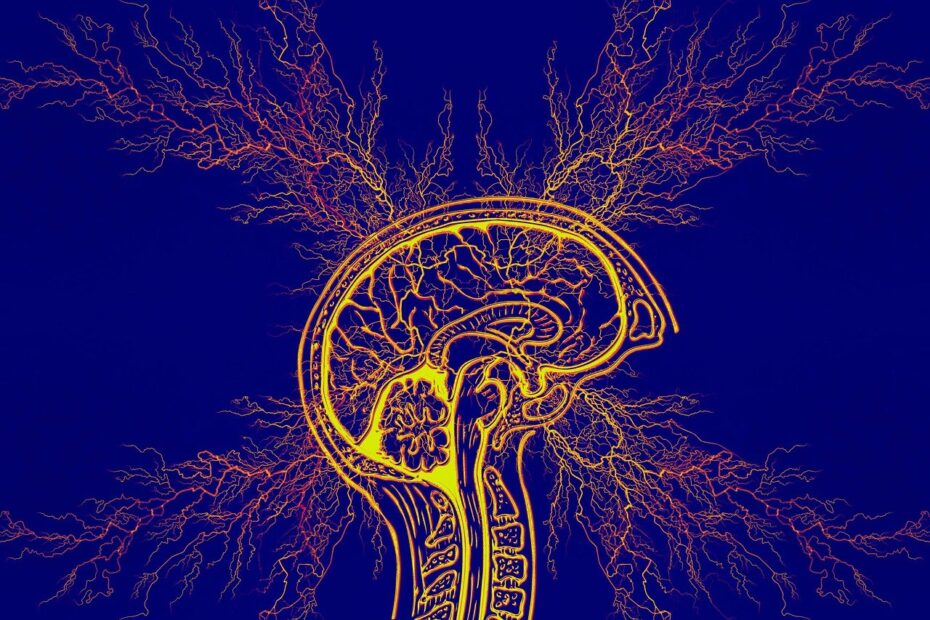
The science of personality neuroscience brain traits reveals that who you are is deeply rooted in your biology. For a long time, personality was thought to be shaped primarily by upbringing, culture, and life experiences. While those factors certainly matter, cutting-edge neuroscience has uncovered something even more fundamental: your personality traits have a measurable biological basis, wired into the very structure and chemistry of your brain. Understanding this connection does not mean your personality is fixed or beyond your control — quite the opposite. It means we now have a richer, more precise map for understanding why you think, feel, and behave the way you do.
This article brings together the latest findings from personality psychology and brain science to explain exactly how your brain gives rise to the 5 major personality dimensions known as the Big Five. We will explore which neurotransmitters and brain regions are linked to each trait, what that means in everyday life, and how you can use this knowledge to better understand yourself and the people around you. Think of it as a guided tour through the neuroscience of what makes you, you.
Once again, personality researcher and author of Villain Encyclopedia, Tokiwa (@etokiwa999), will provide the explanation.
※We have developed the HEXACO-JP Personality Assessment! It has more scientific basis than MBTI. Tap below for details.

目次
- 1 Why Personality Neuroscience Brain Traits Matter: The Biological Basis of Who You Are
- 2 Extraversion: Dopamine, Reward Sensitivity, and Brain Regions
- 3 Neuroticism: Serotonin, Noradrenaline, and the Threat-Sensitive Brain
- 4 Openness and Intellect: Dopamine, Curiosity, and the Default Mode Network
- 5 Agreeableness and Conscientiousness: Social Chemistry and Self-Control in the Brain
- 6 Actionable Insights: How to Use Personality Neuroscience to Grow
- 7 Frequently Asked Questions
- 7.1 Is personality completely determined by brain structure?
- 7.2 Can balancing neurotransmitters like serotonin or dopamine change your personality?
- 7.3 How reliable is personality neuroscience for understanding an individual?
- 7.4 Are there natural ways to increase dopamine activity to support motivation and extraversion?
- 7.5 Can people high in neuroticism improve their stress resilience?
- 7.6 Does personality change in the brain as we age?
- 7.7 What is the relationship between the Big Five and the prefrontal cortex?
- 8 Summary: Your Brain Is the Map, Not the Territory
Why Personality Neuroscience Brain Traits Matter: The Biological Basis of Who You Are
Personality Is Not Just Psychology — It Has a Biological Foundation
Research suggests that personality traits are not purely mental constructs — they are rooted in the biological workings of the brain. Neuroscientists have identified consistent links between specific brain regions, neurotransmitter systems, and the Big Five personality dimensions: Extraversion, Neuroticism, Openness/Intellect, Agreeableness, and Conscientiousness. These are not vague philosophical connections — they show up in brain imaging studies, genetic research, and pharmacological experiments conducted across dozens of countries and thousands of participants.
Among the most well-established findings are the following 3 key relationships between brain chemistry and personality:
- Extraversion and the dopamine system: Higher extraversion tends to correlate with a more reactive dopaminergic reward system, making socially outgoing individuals particularly sensitive to positive stimuli and rewards.
- Neuroticism and serotonin/noradrenaline: People who score high in neuroticism tend to show differences in how serotonin and noradrenaline regulate emotional responses, particularly to threats and stress.
- Openness/Intellect and the dopamine system plus the Default Mode Network: Individuals with high openness tend to show greater activity in dopamine pathways related to novelty-seeking and in the brain’s default mode network, which supports imagination and self-reflection.
Understanding this biological basis does not reduce people to mere chemistry. Rather, it adds a new layer of self-knowledge. Knowing that your tendency to worry, or your love of new ideas, or your drive to achieve, has a measurable neurological foundation can be profoundly validating — and empowering. It also helps explain why personality traits tend to be relatively stable across a lifetime, while remaining open to gradual change through experience, therapy, and intentional effort.
Self-Knowledge Deepens When You Understand Your Traits Biologically
Learning about the biological underpinnings of your personality traits is one of the most effective tools for genuine self-understanding. When you can see your tendencies not just as habits or quirks, but as patterns rooted in brain function, you gain a more compassionate and accurate view of yourself and others. Research points to at least 3 practical benefits of this kind of self-knowledge:
- Recognizing your genuine strengths and limitations: Rather than labeling yourself as “too sensitive” or “not organized enough,” you can understand these tendencies as natural variations in brain functioning.
- Finding better coping strategies: Knowing which neurotransmitter systems underlie your stress response, for example, can help you choose evidence-based techniques — such as mindfulness for neuroticism or physical exercise for boosting dopamine activity.
- Improving relationships: Understanding that others’ personalities also have biological roots can increase empathy and reduce interpersonal friction.
It is important to remember that personality traits describe tendencies, not destinies. Behavior varies with context, and the brain itself is plastic — capable of change through learning and experience. Personality neuroscience gives us a starting point for self-exploration, not a final verdict.
Extraversion: Dopamine, Reward Sensitivity, and Brain Regions
People High in Extraversion Tend to Be Especially Sensitive to Rewards
Extraversion, at its neurological core, is thought to reflect heightened sensitivity to rewards and approach-related goals. This goes well beyond simply being “social” or “talkative.” Research suggests that the fundamental driver of extraversion is a brain system that responds eagerly to the prospect of positive outcomes — whether that is social approval, financial gain, or the thrill of a new challenge. People who score high on extraversion tend to experience this pull toward rewards more strongly and more frequently than those who score lower.
In practical terms, high extraversion tends to manifest in 3 behavioral patterns:
- Actively seeking out rewards: Whether social interactions, exciting opportunities, or pleasurable activities, highly extraverted individuals tend to initiate reward-seeking behavior more readily.
- Experiencing positive emotions more intensely and frequently: Studies indicate that extraverts report higher levels of enthusiasm, joy, and excitement in their daily lives.
- Engaging in sociable and energetic behavior: The pursuit of social rewards — conversation, connection, recognition — is particularly central to extraversion.
By contrast, people lower in extraversion tend to show less reactivity to external rewards, preferring quieter, more internally directed activities. Neither pattern is inherently superior — they simply reflect different tunings of the brain’s motivational systems.
Dopamine and the Neuroscience of Extraversion
The link between extraversion and the dopamine neurotransmitter system is one of the most thoroughly studied connections in Big Five personality neuroscience. Dopamine is a chemical messenger in the brain that plays a central role in 3 key functions:
- Regulating the brain’s response to rewards: Dopamine signals are released when we anticipate or experience something pleasurable or goal-relevant.
- Fueling motivation and drive: Dopamine is closely linked to the desire to pursue goals and take action.
- Generating feelings of pleasure and satisfaction: The “feel-good” sensation associated with achieving something is largely mediated by dopamine activity.
Research suggests that the dopaminergic nervous system tends to be more reactive in people with higher extraversion scores. Interestingly, studies indicate that extraversion may actually encompass 2 neurologically distinct sub-components: assertiveness, which appears to link more directly with the dopamine system, and sociability and positive affect, which may involve the brain’s endogenous opioid system as well. This distinction helps explain why some extraverts are driven primarily by ambition and leadership, while others are drawn more strongly to warmth and social connection.
Brain Regions Associated with Extraversion
Neuroimaging studies have identified several specific brain regions whose structure and function correlate with extraversion scores. The most consistently implicated areas include:
- Medial orbitofrontal cortex: This region, located just above the eyes at the front of the brain, is involved in evaluating rewards and making value-based decisions. Studies indicate a positive correlation between extraversion and the volume of this area — meaning that, on average, people who score higher in extraversion tend to have a larger medial orbitofrontal cortex.
- Nucleus accumbens: Often called the brain’s “reward center,” this structure is deeply involved in processing pleasurable experiences and motivating approach behavior.
- Amygdala: While better known for its role in fear and threat processing, the amygdala also contributes to the processing of positive social and emotional stimuli.
- Striatum: A key node in the brain’s reward circuitry, the striatum helps translate motivational signals into action.
Together, these regions form a reward-processing network that appears to be more sensitively tuned in extraverts. This is why the biological basis of personality for extraversion is so tightly connected to the brain’s approach and motivation systems — it is not just about being friendly, but about being neurologically wired to pursue and enjoy positive outcomes.
Neuroticism: Serotonin, Noradrenaline, and the Threat-Sensitive Brain
High Neuroticism Reflects Heightened Sensitivity to Threat and Negative Emotion
Neuroticism is one of the most clinically significant of the Big Five traits, and it has a particularly well-documented neurobiological profile. At its core, neuroticism is characterized by a heightened responsiveness to perceived threats, uncertainty, and punishment — even in situations that others might find only mildly stressful. People who score high in neuroticism tend to experience 3 broad patterns:
- Defensive reactions to uncertainty, threat, or potential punishment: The brain’s threat-detection systems appear to trigger more easily and more strongly in high-neuroticism individuals.
- Frequent negative emotions: Anxiety, worry, sadness, irritability, and anger are more common and more intense experiences for those high in neuroticism.
- Cognitive distortions linked to threat or failure: High-neuroticism individuals may tend to interpret ambiguous situations as more threatening, and to dwell on negative experiences longer.
Importantly, neuroticism sits on a spectrum. People low in neuroticism tend to be emotionally stable, resilient under stress, and less prone to rumination. Neither end of the spectrum is entirely good or bad — high neuroticism is associated with vulnerability to mood disorders, but also with depth of emotional experience and heightened empathy. Understanding its neurochemical roots helps make sense of these patterns without judgment.
Serotonin and Noradrenaline: The Neurotransmitters Behind Neuroticism
Among the neurotransmitters most closely linked to neuroticism, serotonin and noradrenaline stand out as particularly important in the biological basis of personality. Both chemicals function as key regulators of mood, stress responses, and emotional stability:
- Serotonin: Often called the “calming” neurotransmitter, serotonin helps regulate anxiety, fear responses, and mood. Research suggests that reduced serotonin activity may be associated with higher neuroticism scores. This aligns with the clinical observation that medications which boost serotonin function — such as selective serotonin reuptake inhibitors — are commonly used to treat anxiety and depression, conditions that are disproportionately common among those high in neuroticism.
- Noradrenaline (norepinephrine): This neurotransmitter is central to the brain’s stress response system, sometimes called the “fight-or-flight” chemical. Elevated noradrenaline activity tends to heighten alertness, vigilance, and physical arousal in response to perceived threats — a pattern consistent with the high-threat sensitivity seen in neurotic individuals.
- Interactions between systems: The serotonin and noradrenaline systems interact in complex ways to shape an individual’s overall emotional reactivity, meaning that neuroticism likely reflects a combination of both rather than one factor alone.
These neurochemical differences are not permanent or immovable. Research points to evidence that practices such as mindfulness meditation, regular physical exercise, and cognitive behavioral therapy can gradually shift the functioning of these systems, offering practical paths toward greater emotional stability even for those with naturally high neuroticism.
Brain Regions Linked to Neuroticism
Structural and functional neuroimaging studies have consistently associated neuroticism with brain regions involved in processing negative emotions and threat responses. The 3 most commonly identified areas are:
- Amygdala: This almond-shaped structure deep in the brain is the brain’s primary threat-detection center. Research suggests a positive correlation between neuroticism scores and amygdala volume — on average, people higher in neuroticism tend to have a slightly larger amygdala. It also tends to show greater activation in response to negative emotional stimuli in high-neuroticism individuals.
- Insular cortex (Insula): The insula integrates bodily sensations with emotional experiences, contributing to feelings such as disgust, anxiety, and physical discomfort. Higher neuroticism is associated with greater insula reactivity to aversive stimuli.
- Anterior cingulate cortex (ACC): The ACC plays a key role in monitoring for errors, conflicts, and potential threats. Overactivation of the ACC in high-neuroticism individuals may contribute to rumination and worry.
Together, these brain regions form an interconnected network for negative emotion processing. Their heightened activity and, in some cases, structural differences in high-neuroticism individuals explain why emotional challenges feel more intense and persistent for some people — it is a difference in brain wiring, not a personal failing.
Openness and Intellect: Dopamine, Curiosity, and the Default Mode Network
High Openness and Intellect Drive Curiosity, Creativity, and Abstract Thinking
Openness/Intellect is the Big Five trait most closely associated with intellectual curiosity, imagination, and a love of novelty — and it has a distinctive neurological signature. People who score high on this dimension tend to show 3 defining cognitive tendencies:
- Active cognitive exploration: A drive to engage with new information, ideas, and sensory experiences — essentially, a brain that is hungry for novelty.
- Rich intellectual curiosity and imagination: An ability and desire to think in abstract, creative, and unconventional ways.
- Receptiveness to new experiences and perspectives: A tendency to seek out and appreciate diversity — in ideas, art, culture, and people.
People low in openness, by contrast, tend to prefer familiar routines and conventional ways of thinking, which reflects a different — not inferior — tuning of the same underlying systems. Research suggests that both the dopamine neurotransmitter system and the brain’s Default Mode Network (DMN) play central roles in supporting this trait.
How Dopamine Fuels Openness and Intellectual Curiosity
The connection between Openness/Intellect and the dopamine system is one of the more nuanced findings in Big Five personality neuroscience. Unlike the relatively straightforward reward-focused role of dopamine in extraversion, its contribution to openness appears to operate through a different mechanism. Key findings include:
- Broad informational sensitivity: Research suggests that dopaminergic neurons associated with openness may respond to a wider range of stimuli — both positive and negative — compared to the more reward-specific activation seen in extraversion. This broad sensitivity may underlie the open person’s fascination with complexity, ambiguity, and contradiction.
- Motivation to explore and understand: Dopamine’s well-known role in motivation extends beyond pleasure-seeking to encompass information-seeking — the desire to understand how things work, why events happen, and what lies beyond the known.
- Functional connectivity between midbrain and prefrontal cortex: Studies indicate that openness correlates with stronger functional connections between the midbrain regions where dopamine neurons originate and the prefrontal cortex, which governs attentional control and complex cognition. This prefrontal cortex personality link suggests that high-openness individuals can harness dopamine-driven curiosity in a focused, purposeful way.
This neurochemical foundation helps explain why highly open individuals often thrive in creative and intellectual environments — their brains are literally wired to find the pursuit of new knowledge rewarding.
The Default Mode Network: The Brain’s Engine for Imagination
Perhaps the most fascinating neurological finding associated with Openness/Intellect is its connection to the brain’s Default Mode Network (DMN). The DMN is a large-scale brain network that becomes particularly active when a person is not focused on an external task — during daydreaming, self-reflection, imagining the future, or thinking about others. Its 3 core functions are especially relevant to openness:
- Self-referential thinking and introspection: Reflecting on one’s own identity, values, and experiences — the inner life that highly open individuals tend to cultivate richly.
- Mentalizing — imagining others’ mental states: The DMN supports the ability to understand and simulate other people’s thoughts, feelings, and perspectives, a capacity closely linked to empathy and social creativity.
- Temporal imagination — thinking about the past and future: The ability to mentally travel through time, drawing on memories and constructing hypothetical futures, is central to both creative thinking and intellectual exploration.
Research indicates that Openness/Intellect correlates with greater activity and connectivity within DMN core regions, including the medial prefrontal cortex, posterior cingulate cortex, and inferior parietal lobule. This suggests that the open, curious mind is one that naturally engages its “mind-wandering” network even during rest — generating a constant flow of associations, ideas, and imaginative scenarios that fuels creativity and intellectual engagement.
Agreeableness and Conscientiousness: Social Chemistry and Self-Control in the Brain
Agreeableness: Oxytocin, Vasopressin, and the Neuroscience of Compassion
Agreeableness — the tendency toward warmth, cooperation, and consideration for others — is the Big Five trait most closely tied to social bonding neurochemistry. People who score high in agreeableness tend to display 3 characteristic patterns:
- Attentiveness to others’ needs and emotions: Highly agreeable individuals tend to notice and respond to the emotional states of those around them, often prioritizing harmony over personal gain.
- Strong empathy and compassion: The capacity to genuinely feel and understand what others are experiencing — and to be moved to help — is a hallmark of high agreeableness.
- Adherence to social norms and cooperative behavior: Agreeable people tend to follow social rules willingly, and to invest in collaborative outcomes rather than competitive ones.
The neurochemical foundation of agreeableness appears to involve 2 neuropeptides: oxytocin and vasopressin. Both chemicals play crucial roles in social attachment and bonding across mammalian species. Oxytocin, often called the “bonding hormone,” has been shown in research to increase trust, generosity, and cooperative behavior when administered experimentally. Vasopressin contributes to long-term social bonding and the regulation of aggressive and competitive impulses. Research suggests that individuals who score higher in agreeableness may have more responsive oxytocin and vasopressin systems, providing a biological basis for their social warmth and trust.
Conscientiousness and the Prefrontal Cortex: The Brain’s Self-Control Center
Of all the Big Five traits, Conscientiousness has perhaps the most direct link to a specific brain region: the prefrontal cortex — the area most associated with self-regulation, planning, and goal-directed behavior. People high in conscientiousness tend to exhibit 3 defining characteristics:
- Strong willpower directed toward long-term goals: The ability to delay gratification, persist through difficulty, and maintain focus on important objectives is a hallmark of high conscientiousness.
- Effective impulse control: Resisting temptations and distractions — whether overeating, procrastinating, or acting impulsively in social situations — relies heavily on prefrontal cortex function.
- Organization and planning capacity: The ability to structure tasks, manage time, and follow through on commitments is supported by the same executive function networks in the prefrontal cortex.
Research consistently points to the dorsolateral prefrontal cortex and the anterior cingulate cortex as particularly important for the self-regulation and goal-pursuit behaviors associated with conscientiousness. Studies have shown that damage to these regions — through injury or disease — often leads to measurable declines in planning ability and self-control. Additionally, conscientiousness has been linked to the integrity of white matter tracts in the brain — the “highways” that connect different brain regions — suggesting that efficient neural communication supports the organized, purposeful behavior that defines this trait. The prefrontal cortex personality connection here is perhaps the strongest and most clearly understood of all the Big Five biological links.
Actionable Insights: How to Use Personality Neuroscience to Grow
Leverage Your Biological Strengths and Manage Your Vulnerabilities
Understanding the biological basis of your personality is most valuable when it translates into concrete, practical strategies for daily life. Here are science-informed approaches for each of the Big Five trait areas:
- If you are high in Extraversion: Harness your dopamine-driven reward sensitivity by setting ambitious, clearly defined goals with visible milestones. Your brain is wired to respond strongly to achievement signals — use this to your advantage in careers and projects. Watch out for overstimulation and impulsivity, and build in regular quiet time to recharge your decision-making systems.
- If you are high in Neuroticism: Work with your sensitive threat-detection system rather than against it. Mindfulness meditation has been shown in multiple studies to reduce amygdala reactivity over time, effectively recalibrating your brain’s alarm system. Regular aerobic exercise and consistent sleep schedules tend to stabilize serotonin and noradrenaline function, improving emotional resilience. Cognitive behavioral approaches can also help reframe the threat-biased thinking patterns associated with this trait.
- If you are high in Openness/Intellect: Feed your dopamine-driven curiosity through deliberate learning and creative exploration. Your DMN is most productive when given unstructured time to wander — so regular breaks, journaling, and creative hobbies are not luxuries but genuine cognitive investments. Be mindful of the tendency to over-explore at the expense of follow-through; pairing with high-conscientiousness strategies can balance creativity with completion.
- If you are high in Agreeableness: Your oxytocin-rich social chemistry makes you a natural at building trust and sustaining relationships. Lean into roles that require empathy and cooperation. Watch for the risk of over-accommodation — agreeable individuals may need to consciously develop assertiveness skills to protect their own needs.
- If you are high in Conscientiousness: Your well-developed prefrontal executive systems give you natural advantages in long-term planning and disciplined effort. Continue to support prefrontal function through adequate sleep, stress management, and regular physical activity. Guard against rigidity — practice cognitive flexibility and self-compassion to avoid burnout from perfectionism.
The key principle across all 5 trait areas is the same: your brain’s natural wiring creates tendencies, not limits. Neuroplasticity — the brain’s capacity to reorganize itself in response to experience — means that targeted effort can gradually reshape even deeply ingrained patterns. Neuroscience does not excuse behavior; it explains it, and that understanding is the starting point for meaningful growth.
Frequently Asked Questions
Is personality completely determined by brain structure?
Research indicates that brain structure is one important factor shaping personality, but it is far from the only one. Genetic predispositions, early life experiences, cultural environment, and ongoing life events all interact with brain biology to produce a person’s unique personality profile. Importantly, the brain is neuroplastic — meaning its structure and function can be gradually modified by experience, learning, therapy, and intentional habit change. Personality neuroscience describes tendencies, not fixed destinies.
Can balancing neurotransmitters like serotonin or dopamine change your personality?
Adjusting neurotransmitter activity — through medication, lifestyle changes, or behavioral practices — can meaningfully shift emotional tendencies and behavioral patterns. For example, boosting serotonin function may reduce anxiety and improve mood stability in people high in neuroticism. However, research suggests that completely transforming core personality traits through neurochemical adjustment alone is unlikely. Neurotransmitter balance influences the expression of personality traits, but the traits themselves reflect broader, more complex neural architectures.
How reliable is personality neuroscience for understanding an individual?
Personality neuroscience is a rapidly developing field with robust findings at the group level — meaning that clear statistical trends have been identified across thousands of participants. However, these trends describe probabilities, not certainties for any given individual. Brain volume differences, for instance, are averages across many people, and individual variation is enormous. Neuroscientific data is best used as a complement to psychological self-assessment tools, not as a definitive individual profile. It enriches self-understanding without replacing it.
Are there natural ways to increase dopamine activity to support motivation and extraversion?
Several evidence-based lifestyle practices tend to support healthy dopamine function. Regular aerobic exercise is one of the most consistently effective — studies indicate it can increase dopamine synthesis and receptor sensitivity. Setting and achieving small goals, listening to music you enjoy, spending time in nature, and getting adequate sleep all tend to positively influence dopamine activity. These practices may not fundamentally change a person’s position on the extraversion spectrum, but they can support energy, motivation, and positive mood regardless of where one naturally falls on that dimension.
Can people high in neuroticism improve their stress resilience?
Research strongly suggests that stress resilience can be improved even for those who are neurobiologically predisposed to high neuroticism. Mindfulness-based stress reduction has been shown to reduce amygdala reactivity over time — essentially turning down the brain’s threat alarm. Cognitive behavioral therapy helps reframe the threat-biased thinking patterns common in high-neuroticism individuals. Regular physical exercise, consistent sleep, and social support also tend to stabilize serotonin and noradrenaline systems. These changes may not fully eliminate neuroticism, but they can significantly reduce its day-to-day impact.
Does personality change in the brain as we age?
Evidence suggests that personality does shift gradually across the lifespan, and these shifts reflect real changes in brain structure and neurochemistry. Research indicates that, on average, people tend to become somewhat more emotionally stable, agreeable, and conscientious as they move through adulthood — a pattern sometimes called “the maturity principle.” Corresponding changes in prefrontal cortex development, amygdala reactivity, and neurotransmitter systems appear to underlie these shifts. However, significant individual variation exists, and personality change is influenced by life experiences as much as by biological aging.
What is the relationship between the Big Five and the prefrontal cortex?
The prefrontal cortex — the brain region just behind the forehead — is most directly associated with Conscientiousness among the Big Five traits, because it governs executive functions such as planning, impulse control, and goal-directed behavior. However, it plays meaningful roles across all 5 traits. In extraversion, it helps evaluate and pursue rewards. In neuroticism, its connections to the amygdala modulate emotional regulation. In openness, its links to dopaminergic midbrain regions support focused curiosity. The prefrontal cortex personality connection is, in many ways, the central hub through which all five traits are expressed in behavior.
Summary: Your Brain Is the Map, Not the Territory
The science of personality neuroscience brain traits has transformed our understanding of what personality really is. It is not a collection of habits or social labels — it is a set of biologically grounded tendencies, shaped by the interplay of neurotransmitters like dopamine, serotonin, oxytocin, and noradrenaline, and by the structural and functional properties of brain regions including the prefrontal cortex, amygdala, nucleus accumbens, and the Default Mode Network. Each of the Big Five personality dimensions — Extraversion, Neuroticism, Openness/Intellect, Agreeableness, and Conscientiousness — has its own neurological fingerprint, and research continues to deepen our understanding of these connections every year.
Perhaps most importantly, this knowledge is not deterministic. Knowing the biological basis of your personality traits is not a sentence — it is an invitation. The brain’s remarkable plasticity means that understanding your wiring is the first step toward working with it intelligently: amplifying your natural strengths, building strategies around your vulnerabilities, and appreciating the biological diversity that makes every person’s mind genuinely unique. Now that you understand the neuroscience behind each personality dimension, why not explore which of these trait profiles resonates most with your own experience — and discover what your personal brain-based strengths might be.