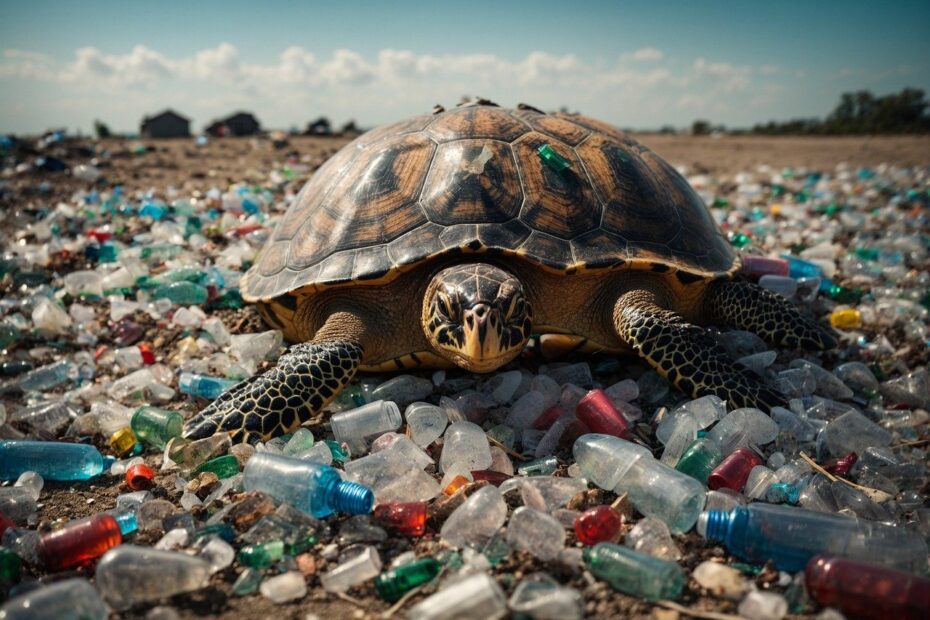
Pro-environmental personality traits — the stable psychological characteristics that make some people consistently more likely to care for the planet — have become one of the most fascinating frontiers in environmental psychology. Research suggests that who you are on the inside shapes how you treat the world outside, and that understanding this connection could be one of the most practical tools we have for encouraging greener behavior on a large scale.
A landmark meta-analysis examining the Big Five and HEXACO personality frameworks found clear, measurable links between specific personality dimensions and both pro-environmental attitudes and real-world green behavior. In other words, your personality profile is not just a curiosity — it may be a reliable predictor of whether you recycle religiously, advocate for climate policy, or choose a bicycle over a car. This article unpacks those findings in plain language so you can understand — and act on — what the science says.
Once again, personality researcher and author of Villain Encyclopedia, Tokiwa (@etokiwa999), will provide the explanation.
※We have developed the HEXACO-JP Personality Assessment! It has more scientific basis than MBTI. Tap below for details.

目次
- 1 What Is Pro-Environmental Behavior — and Why Does It Matter?
- 2 Pro-Environmental Personality Traits: What the Research Reveals
- 2.1 The Big Five, HEXACO, and Green Behavior
- 2.2 Openness to Experience: The Curiosity-Driven Green Mindset
- 2.3 Conscientiousness: Turning Green Values Into Green Habits
- 2.4 Emotionality and Agreeableness: The Heart of Environmental Empathy
- 2.5 Honesty-Humility: The HEXACO Trait That Predicts Ecological Values
- 3 How Different Personality Types Engage With Environmental Issues
- 4 Developing Pro-Environmental Personality Traits: Can You Grow Greener?
- 5 Frequently Asked Questions
- 5.1 Which personality traits are most linked to pro-environmental behavior?
- 5.2 Does personality predict environmental attitudes or actual green behavior?
- 5.3 Can people with low environmental concern change their habits through personality development?
- 5.4 How does the HEXACO model improve on the Big Five for understanding green personality?
- 5.5 Do introverts or extraverts tend to be more environmentally active?
- 5.6 Is there a “green personality” type, and do I need it to help the environment?
- 5.7 How can environmental educators use personality research practically?
- 6 Summary: Your Personality Is an Environmental Asset
What Is Pro-Environmental Behavior — and Why Does It Matter?
Defining Environmental Protection in Everyday Terms
Pro-environmental behavior refers to any deliberate action a person takes to reduce their negative impact on the natural world. This covers a huge spectrum, from the small and personal to the large and collective. Environmental protection, at its core, is the effort to preserve biodiversity, natural resources, and ecological balance so that both present and future generations can thrive. Key categories of green behavior include:
- Conservation behaviors — saving water, reducing electricity use, choosing public transport
- Waste reduction behaviors — recycling, composting, avoiding single-use plastics
- Activism and advocacy — signing petitions, joining community clean-ups, spreading awareness on social media
These behaviors matter because environmental degradation is no longer a distant threat. Climate change, ocean plastic pollution, deforestation, and biodiversity loss are all accelerating simultaneously. Studies indicate that individual behavior, multiplied across billions of people, plays a meaningful role in either slowing or worsening these trends. Understanding what drives people toward greener choices — including their personality — is therefore not just academically interesting but genuinely urgent.
The Scale of Today’s Environmental Challenges
The environmental problems facing the planet are interconnected and self-reinforcing, which makes broad behavioral change more critical than ever. Global average temperatures have already risen by more than 1 degree Celsius above pre-industrial levels. Microplastics have been detected in human blood, remote ocean trenches, and even Arctic ice. Meanwhile, scientists estimate that species are going extinct at a rate roughly 1,000 times higher than the natural background rate. The 3 biggest pressure points are:
- Climate change driven primarily by fossil fuel combustion and land-use change
- Pollution, especially plastic waste entering marine ecosystems
- Biodiversity loss caused by habitat destruction and chemical use in agriculture
Addressing these challenges demands not just better technology or policy, but a large-scale shift in human attitudes and habits. That is precisely where personality psychology becomes relevant — if we understand which traits predict green behavior, we can design education, campaigns, and community programs that speak directly to those psychological drivers.
Pro-Environmental Personality Traits: What the Research Reveals
The Big Five, HEXACO, and Green Behavior
The most robust scientific evidence connecting personality to environmental behavior comes from research using the Big Five and HEXACO personality models. The Big Five describes personality along 5 dimensions: Openness to Experience, Conscientiousness, Extraversion, Agreeableness, and Neuroticism. The HEXACO model adds a 6th dimension — Honesty-Humility — and renames some of the others. A large-scale meta-analysis synthesizing data from dozens of independent studies found that at least 4 of these dimensions show statistically significant associations with pro-environmental attitudes or behaviors:
- Openness to Experience — most consistently linked to positive environmental attitudes
- Conscientiousness — most consistently linked to actual green behaviors in daily life
- Agreeableness / Emotionality — associated with empathy toward nature and emotional motivation to act
- Honesty-Humility (HEXACO) — linked to rejecting exploitative attitudes toward the environment
Importantly, the research suggests these are not trivial correlations. Personality appears to shape environmental behavior through at least 2 pathways: by influencing how people think and feel about environmental issues (their attitudes), and by influencing whether they translate those attitudes into consistent action. Understanding which traits matter — and why — gives us a much richer picture of how to motivate green behavior across diverse populations.
Openness to Experience: The Curiosity-Driven Green Mindset
Openness to Experience is the personality trait most strongly and consistently associated with pro-environmental attitudes across cultures and age groups. Openness is defined as a general tendency toward intellectual curiosity, aesthetic sensitivity, imagination, and receptiveness to new ideas and experiences. People who score high on this dimension tend to question conventional assumptions, seek out complex information, and feel comfortable with uncertainty — all qualities that align naturally with engaging seriously with environmental science and global challenges. Key characteristics of high-openness individuals in the environmental context include:
- Greater receptivity to scientific consensus on issues like climate change and biodiversity loss
- Stronger interest in novel green technologies such as renewable energy and plant-based diets
- Higher likelihood of engaging with international environmental movements and advocacy campaigns
- More nuanced ecological values, including concern for non-human species and future generations
Research suggests that the link between Openness and environmentalism runs through the trait’s core quality of intellectual engagement. People high in Openness tend to seek out information about environmental problems, process it carefully, and integrate it into their worldview. This makes them more likely to hold strong pro-environmental attitudes — though, notably, attitude alone does not always translate into behavior, which is where Conscientiousness plays a complementary role.
Conscientiousness: Turning Green Values Into Green Habits
While Openness predicts environmental attitudes, Conscientiousness is the trait most strongly linked to actually carrying out sustainable behaviors in everyday life. Conscientiousness is characterized by self-discipline, planning, reliability, and a tendency to follow through on commitments. Where a high-Openness person might be passionate about environmental issues intellectually, a high-Conscientiousness person is the one who actually separates their recycling every single week, tracks their household energy use, and consistently chooses lower-impact options at the grocery store. Typical green behaviors associated with high Conscientiousness include:
- Consistent recycling and waste sorting carried out as a habitual routine rather than an occasional effort
- Mindful consumption patterns — buying only what is needed, avoiding wasteful purchases
- Long-term planning for sustainability, such as investing in energy-efficient appliances or reducing car dependency over time
- Reliable follow-through on environmental commitments, including pledges, subscriptions to green causes, or community agreements
The psychological mechanism here is straightforward: Conscientiousness reduces the gap between intention and action. Studies indicate that many people hold pro-environmental intentions but fail to act on them consistently — a phenomenon sometimes called the “value-action gap.” High-Conscientiousness individuals are better at closing this gap because their general tendency toward orderliness and responsibility carries over into their environmental conduct. This makes Conscientiousness arguably the single most practically important trait for real-world environmental impact.
Emotionality and Agreeableness: The Heart of Environmental Empathy
Traits related to emotional sensitivity and interpersonal warmth — Emotionality in the HEXACO model and Agreeableness in the Big Five — tend to predict environmental concern through a pathway of empathy and compassion. People who score high on these dimensions are typically more sensitive to the suffering of others, including animals and future generations. They tend to feel genuine distress when they see footage of melting ice caps, polluted rivers, or endangered wildlife. This emotional responsiveness can serve as a powerful motivator for environmental action. Research suggests the following patterns for emotionally sensitive individuals:
- Stronger emotional reactions to environmental news stories, which increases motivation to respond
- Greater compassion toward non-human species, supporting conservation efforts and animal welfare
- Higher effectiveness in advocacy roles that rely on storytelling, emotional appeals, and community connection
- Tendency to act quickly when they perceive that natural systems or vulnerable communities are threatened
However, it is worth noting a potential downside: highly emotionally sensitive individuals may also experience “eco-anxiety” or emotional burnout when overwhelmed by the scale of environmental problems. Channeling this sensitivity productively — through focused local action, community support groups, or creative advocacy — tends to be more sustainable than absorbing distressing news without an outlet for response.
Honesty-Humility: The HEXACO Trait That Predicts Ecological Values
One of the most interesting findings from HEXACO-based research is the role of Honesty-Humility — a dimension not present in the classic Big Five — in predicting pro-environmental attitudes and ecological values. Honesty-Humility captures a person’s tendency toward sincerity, fairness, avoidance of greed, and a lack of desire to dominate or exploit others. Research suggests that people who score high on this trait are also less likely to endorse an exploitative attitude toward nature — a worldview sometimes called “human dominance over nature.” Instead, they tend to see humans as part of the natural world rather than as its masters. This has several notable implications:
- Rejection of the idea that nature exists purely for human use, supporting more biocentric or ecocentric values
- Lower materialism and consumption, which naturally reduces environmental footprint
- Support for fair environmental policies, including those that protect vulnerable communities disproportionately affected by pollution or climate change
This finding suggests that the HEXACO model may capture dimensions of personality relevant to environmental psychology that the Big Five misses. Including Honesty-Humility in future research and in personality-based environmental programs could improve both our theoretical understanding and our practical interventions.
How Different Personality Types Engage With Environmental Issues
Introverts vs. Extraverts: Different Paths to the Same Goal
Extraversion — the dimension describing sociability, assertiveness, and enthusiasm — shows a more complex and inconsistent relationship with environmental behavior than Openness or Conscientiousness. Research findings on Extraversion and green behavior are mixed, but some patterns do emerge. Extraverted individuals tend to prefer visible, social, and community-based forms of environmental engagement, while more introverted people often gravitate toward quiet, individual-level conservation habits. Neither is superior — they simply represent different routes to contributing positively:
- High-Extraversion individuals tend to excel at organizing community events, leading environmental campaigns, and using social networks to spread awareness
- Lower-Extraversion (more introverted) individuals often shine in research, data collection, careful analysis, and consistent personal conservation habits
- Both types can be powerful allies in environmental movements when their natural strengths are recognized and utilized
This distinction has practical value for environmental educators and campaign designers. Rather than creating one-size-fits-all programs, tailoring participation opportunities to match different personality styles — social rallies for extraverts, online individual pledges for introverts — tends to increase engagement across the full spectrum of personality types.
How Personality Shapes the Form — Not Just the Degree — of Green Behavior
One of the most practically useful insights from personality research is that different traits predict different types of green behavior, not just different amounts of it. Knowing someone is environmentally concerned does not tell you how they will express that concern. Personality provides the missing piece. Studies suggest the following approximate patterns across the major trait dimensions:
- High Openness → green attitude formation and information-seeking (reading about climate science, valuing biodiversity)
- High Conscientiousness → green habit formation and consistent action (recycling, reducing consumption, energy saving)
- High Emotionality/Agreeableness → emotional advocacy and community connection (fundraising, awareness campaigns, supporting local nature projects)
- High Honesty-Humility → ecological values and anti-consumerism (embracing minimalism, supporting environmental justice)
- High Extraversion → public-facing activism (organizing events, speaking at rallies, social media advocacy)
This multi-dimensional picture explains why environmental movements are strongest when they include diverse personality types working in complementary roles. The visionary thinker (high Openness), the reliable implementer (high Conscientiousness), the passionate advocate (high Emotionality), the ethical grounding force (high Honesty-Humility), and the energetic organizer (high Extraversion) all contribute something unique and necessary.
Developing Pro-Environmental Personality Traits: Can You Grow Greener?
Personality Is Not Destiny — But It Is a Starting Point
While personality traits tend to be relatively stable across adulthood, research on personality development strongly suggests that traits can and do shift — gradually — in response to experience, environment, and intentional practice. This means that even if you currently score low on Openness or Conscientiousness, you are not locked out of a more environmentally engaged lifestyle. The key is understanding which experiences tend to nudge specific traits in a positive direction. Factors that research associates with positive personality development include:
- Family and early education — children raised in homes that model environmental care tend to internalize those values more deeply
- Novel experiences and cultural exposure — travel, cross-cultural friendships, and artistic engagement tend to gradually increase Openness
- Taking on responsibility — accepting leadership roles, keeping commitments, and building routines tend to strengthen Conscientiousness over time
It is also important to recognize that you do not need to overhaul your entire personality to become more environmentally active. Working with your existing traits — leaning into your natural strengths while being aware of your characteristic blind spots — is often more effective than trying to become a different kind of person entirely.
Practical Ways to Cultivate Openness for Environmental Engagement
Openness to Experience — the trait most predictive of strong environmental attitudes — can be gradually cultivated through deliberate exposure to new perspectives, ideas, and sensory experiences. If you find yourself resistant to environmental messages or disengaged from ecological topics, increasing your general curiosity and openness to complexity may be a useful first step. Research-supported approaches include:
- Spend time in natural environments — hiking, birdwatching, or simply sitting in a park. Studies indicate that contact with nature increases both appreciation for ecosystems and willingness to protect them.
- Engage with diverse media — documentaries, literary fiction, international journalism, and science podcasts all tend to expand cognitive horizons
- Practice intellectual humility — actively seeking out viewpoints that challenge your existing assumptions helps develop the flexible thinking associated with high Openness
Even relatively small changes in daily habits — listening to a new podcast genre, visiting an unfamiliar neighborhood, or trying a cuisine you have never experienced — can, over time, build the psychological flexibility that underlies high Openness and, in turn, stronger ecological awareness.
Building Conscientiousness for Lasting Green Habits
Because Conscientiousness is the trait most directly linked to consistent environmental action, developing greater self-discipline and planning ability can have a direct, measurable effect on your ecological footprint. Conscientiousness grows through the gradual accumulation of reliable, structured habits. Psychological research on habit formation suggests the following practical strategies:
- Start with implementation intentions — instead of vaguely deciding to “recycle more,” specify exactly when, where, and how (e.g., “Every Sunday evening, I will sort my recycling into the designated bins before bed”)
- Use environmental checklists or habit trackers — the act of tracking and checking off green behaviors reinforces the self-regulatory processes central to Conscientiousness
- Voluntarily take on responsibility in community or workplace sustainability initiatives — accepting accountability to others is one of the fastest ways to build Conscientiousness
The core principle is that Conscientiousness thrives on structure. By creating clear, specific, repeatable systems for your green behaviors — rather than relying on willpower or mood — you are essentially mimicking the internal architecture of a highly Conscientious person, even if that is not your natural default.
Frequently Asked Questions
Which personality traits are most linked to pro-environmental behavior?
Research consistently identifies Openness to Experience and Conscientiousness as the 2 traits most strongly associated with pro-environmental outcomes. Openness predicts positive environmental attitudes and information-seeking, while Conscientiousness predicts the consistent daily behaviors — recycling, energy saving, mindful consumption — that add up to real ecological impact. Emotionality and Honesty-Humility also show meaningful associations, particularly with empathy-driven advocacy and anti-exploitative ecological values respectively.
Does personality predict environmental attitudes or actual green behavior?
Studies suggest that different personality traits predict different outcomes. Openness to Experience tends to predict environmental attitudes — how much a person values and cares about the environment cognitively and emotionally. Conscientiousness, on the other hand, tends to predict actual green behaviors — the concrete daily actions people take regardless of how strongly they feel about the issue. The 2 outcomes are related but distinct, which is why both traits matter for a complete picture of environmental engagement.
Can people with low environmental concern change their habits through personality development?
Yes, though the process is gradual. Personality traits are relatively stable but not fixed — they respond to experience, education, and practice over time. Research on personality development suggests that deliberately engaging in novel experiences can increase Openness, while building structured habits and taking on responsibility can strengthen Conscientiousness. Both shifts tend to naturally support more pro-environmental attitudes and behaviors. The key insight is that you do not need to wait for your personality to change before acting — starting small green habits can itself reinforce the traits that sustain them.
How does the HEXACO model improve on the Big Five for understanding green personality?
The HEXACO model adds a 6th personality dimension called Honesty-Humility, which the Big Five does not include. Research indicates that Honesty-Humility is a particularly relevant trait for environmental psychology because it captures a person’s tendency to reject greed, exploitation, and a sense of superiority over others — including nature. People high in Honesty-Humility are more likely to endorse biocentric ecological values (valuing nature for its own sake) and less likely to view natural resources as existing purely for human consumption. This makes HEXACO a more comprehensive framework for studying the green personality.
Do introverts or extraverts tend to be more environmentally active?
Research does not clearly favor one over the other — instead, studies suggest that introverts and extraverts tend to express environmental concern in different ways. Extraverts often gravitate toward visible, social forms of activism such as organizing campaigns or advocacy events. Introverts tend to express green values through consistent individual-level conservation behaviors, research participation, or quiet advocacy through writing and online communication. Both styles contribute meaningfully to environmental outcomes, and the most effective environmental movements tend to include both personality types working in complementary roles.
Is there a “green personality” type, and do I need it to help the environment?
There is no single “green personality” type — research points to a constellation of traits rather than one profile. That said, people who score high on Openness, Conscientiousness, Emotionality, and Honesty-Humility tend to show the strongest combination of environmental attitudes and behaviors. Importantly, you do not need all of these traits to contribute meaningfully. Understanding your own personality strengths allows you to find the form of environmental engagement that comes most naturally and sustainably to you, whether that is data analysis, community organizing, conscious consumption, or emotional advocacy.
How can environmental educators use personality research practically?
Personality research suggests that one-size-fits-all environmental education is less effective than tailored approaches. For people high in Openness, providing rich, complex information about ecological systems tends to be engaging. For those high in Conscientiousness, concrete action plans and measurable goals work well. For emotionally sensitive individuals, human and animal stories of environmental impact resonate most. For younger audiences, who tend to score higher on Openness on average, interactive and creative formats — projects, debates, and multimedia — tend to build lasting environmental attitudes most effectively.
Summary: Your Personality Is an Environmental Asset
The science is clear: pro-environmental personality traits are real, measurable, and meaningfully linked to how people think about and act on environmental issues. Openness to Experience drives curiosity and positive ecological attitudes. Conscientiousness turns those attitudes into reliable green habits. Emotionality and Agreeableness fuel empathy-driven advocacy. And Honesty-Humility anchors a deeper sense of ecological values that resists exploitative thinking. None of these traits operate alone, and no single personality profile holds a monopoly on environmental contribution. What matters is understanding your own psychological strengths and finding the form of green engagement that genuinely fits who you are — because sustainable behavior change is most likely to stick when it aligns with your natural tendencies rather than fighting against them.
Whether you are a curious thinker who devours climate science, a disciplined planner who never misses a recycling day, a compassionate advocate who moves others with stories of endangered ecosystems, or an honest minimalist who simply refuses to consume more than needed — your personality has something genuine to offer the planet. Curious which of your own personality traits are already working in the environment’s favor? Explore your personality profile to see where your natural green strengths lie.