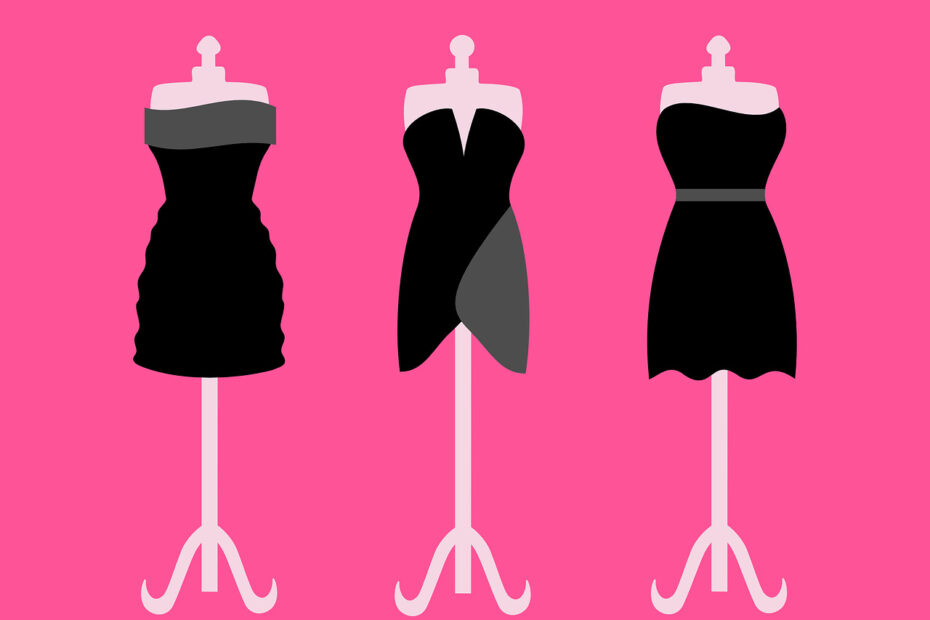
Fashion psychology personality traits reveal something remarkable: the clothes you choose every morning are far more than a practical decision — they are a window into who you truly are. Research into the relationship between personality and clothing choices consistently shows that people unconsciously gravitate toward styles, colors, and silhouettes that mirror their inner character. Whether you reach for a bold, patterned top or a clean, minimalist tee, your wardrobe is quietly narrating your personality story.
A particularly compelling study — Clothing Selection Criteria and Preferred Clothing Image Related to Personal Traits of Extroversion and Openness — examined high school students and found meaningful links between specific personality dimensions and the way young people evaluate and choose their clothes. The findings go beyond simple stereotypes and offer genuine, science-backed insight into what your style might say about you. This article breaks down those findings into clear, actionable knowledge for anyone curious about the hidden psychology behind their wardrobe.
Once again, personality researcher and author of Villain Encyclopedia, Tokiwa (@etokiwa999), will provide the explanation.
※We have developed the HEXACO-JP Personality Assessment! It has more scientific basis than MBTI. Tap below for details.

目次
- 1 What Is Fashion Psychology and Why Does Personality Matter?
- 2 The Big Five Personality Traits and Their Connection to Style
- 3 Introvert vs Extrovert Style: How Extraversion Shapes Your Wardrobe
- 4 Fashion Psychology Personality Traits: Openness, Agreeableness, and Conscientiousness in Your Closet
- 5 Actionable Advice: Using Your Personality Profile to Dress with Confidence
- 6 Frequently Asked Questions
- 6.1 Does your personality type determine what colors look best on you?
- 6.2 Can an introvert wear bold, colorful clothing?
- 6.3 Can changing what you wear actually change your personality?
- 6.4 Do fashion psychology personality traits stay the same as you get older?
- 6.5 Why do some people seem to have “no style” — and what does that say about their personality?
- 6.6 Is expensive or branded clothing necessary to express personality through fashion?
- 6.7 How can I use fashion psychology to feel more confident in my daily outfits?
- 7 Summary: Your Wardrobe Knows You Better Than You Think
What Is Fashion Psychology and Why Does Personality Matter?
Fashion psychology is the scientific study of how clothing choices are influenced by — and in turn influence — a person’s psychological state, identity, and personality traits. It is a growing field at the intersection of social psychology, consumer behavior, and self-expression research. Far from being superficial, the clothes we wear tend to function as a form of nonverbal communication, broadcasting our values, mood, and self-concept to the world before we say a single word.
Research suggests that clothing and personality are deeply intertwined for a straightforward reason: apparel is one of the most visible, customizable aspects of our daily lives. Unlike our height or the sound of our voice, we actively choose our clothes — and those choices reflect inner preferences, social priorities, and emotional needs. Studies indicate that most people spend an average of around 13 minutes deciding what to wear each day, a figure that suggests just how much cognitive and emotional weight we place on our wardrobe.
Personal style psychology considers not just individual garments, but the entire decision-making process: Why do some people prioritize comfort while others chase the latest trend? Why does one person gravitate toward muted earth tones while another fills their closet with vibrant primary colors? The answers, researchers argue, lie substantially in personality. Key concepts to understand include:
- Self-expression through clothing: Garments act as a personal “billboard,” allowing wearers to project their identity outward without speaking.
- Behavioral consistency: Research suggests that people tend to make clothing choices that align with their broader behavioral tendencies — social, cautious, adventurous, or analytical.
- Emotional regulation: Wearing clothes that “feel right” for one’s personality tends to boost confidence and psychological comfort, while mismatched choices can induce subtle anxiety.
Understanding the foundations of fashion psychology helps us interpret the more specific findings about personality types and style preferences that follow. In short, what your clothes say about you is not random — it is patterned, predictable, and rooted in well-established personality science.
The Big Five Personality Traits and Their Connection to Style
The most widely accepted scientific framework for understanding personality is the “Big Five” model, which describes personality across 5 core dimensions that shape behavior — including fashion choices. Each dimension exists on a spectrum, and every person carries a unique blend of all 5 traits. Understanding where you land on each scale is one of the most reliable ways to predict and explain personal style psychology.
The 5 Big Five dimensions are:
- Extraversion: The degree to which a person is outgoing, energized by social interaction, and drawn to stimulating environments. High scorers tend to be talkative, assertive, and enthusiasm-driven.
- Openness to Experience: The degree to which a person is curious, imaginative, and receptive to new ideas, art, and unconventional ways of thinking. High scorers tend to be creative and intellectually adventurous.
- Agreeableness: The degree to which a person is cooperative, empathetic, and concerned with social harmony. High scorers tend to prioritize others’ feelings and social norms.
- Conscientiousness: The degree to which a person is organized, disciplined, and goal-oriented. High scorers tend to plan ahead and value reliability.
- Neuroticism: The degree to which a person experiences negative emotions like anxiety and self-doubt. Higher scores are associated with emotional sensitivity and stress reactivity.
The referenced research focused specifically on Extraversion and Openness to Experience because these 2 traits show the strongest and most consistent links to clothing selection behaviors among young people. Extraversion drives the desire to be seen and to signal social status through clothing, while Openness fuels the urge to experiment with unconventional or artistic styles. Together, they account for a significant portion of the variation in how individuals approach their wardrobes.
It is important to note that personality traits are not rigid boxes — they are tendencies. Most people sit somewhere along a continuum for each trait, which means their style preferences will reflect a nuanced mix rather than a pure “type.” Nevertheless, understanding these dimensions provides a genuinely useful map for decoding fashion psychology personality traits in real life.
Introvert vs Extrovert Style: How Extraversion Shapes Your Wardrobe
Research consistently suggests that extroversion is one of the most powerful personality predictors of bold, trend-driven, and socially visible clothing choices. People who score high on extraversion tend to view clothing as a tool for social engagement — a way to attract attention, spark conversation, and signal group membership. In contrast, those lower on extraversion (commonly described as introverts) tend to favor styles that are understated, comfortable, and personally meaningful rather than publicly spectacular.
The introvert vs extrovert style distinction is one of the most recognizable patterns in fashion psychology. Here is how it typically plays out across several dimensions of clothing choice:
- Color preference: Extroverts tend to gravitate toward vivid, saturated colors — reds, yellows, electric blues — while introverts more often prefer neutral tones such as navy, grey, olive, or white. Research suggests that color choice reflects emotional expressiveness and social visibility goals.
- Pattern and design: Extroverts are more likely to choose bold prints, graphic logos, and eye-catching patterns. Introverts tend to prefer clean lines, subtle textures, and minimal decoration.
- Trend sensitivity: Extroverts report higher motivation to follow current fashion trends, partly because staying current signals social awareness and group belonging. Introverts tend to prioritize timeless, personally resonant pieces over fleeting trends.
- Occasion dressing: Extroverts tend to “dress up” for social events with enthusiasm, seeing it as an opportunity to perform their identity. Introverts are more likely to seek consistency between their everyday and social attire.
Importantly, neither approach is superior. The introvert preference for simplicity is not a lack of style — it is a different kind of style intelligence, one that prioritizes authenticity and longevity over novelty and social signaling. Studies indicate that introverts often develop a more curated, intentional wardrobe over time, investing in fewer but more meaningful pieces. Extroverts, meanwhile, tend to enjoy the playful, experimental side of fashion — treating their closet as a stage for self-reinvention.
Fashion Psychology Personality Traits: Openness, Agreeableness, and Conscientiousness in Your Closet
Beyond extraversion, the other Big Five traits each leave a distinctive fingerprint on a person’s style, shaping everything from brand loyalty and trend-following to practical versus aesthetic priorities in clothing selection. Understanding these patterns can help you recognize your own fashion psychology personality traits — and use that self-knowledge to dress with greater confidence and intentionality.
High Openness to Experience: The Creative, Unconventional Dresser
People high in Openness tend to approach fashion the way they approach life — with curiosity, creativity, and a willingness to experiment. Research suggests that highly open individuals are more likely to mix unexpected color combinations, incorporate pieces from different cultural traditions, and seek out independent or artisan brands rather than mainstream retailers. Their wardrobes often tell a story, with each piece carrying personal significance or aesthetic interest.
- Signature style markers: Eclectic layering, vintage or secondhand finds, artisan jewelry, and clothing that references art, music, or global cultures.
- Shopping behavior: Prefers browsing independently over following shopping lists; drawn to unique items rather than bestsellers.
- Self-expression priority: Dresses primarily to express an inner world rather than to meet external expectations or blend in with peers.
High Agreeableness: The Socially Attuned Dresser
Highly agreeable people tend to be sensitive to social norms and the feelings of those around them, and this awareness extends to their clothing choices. Studies indicate that agreeable individuals are more likely to dress in ways that “fit in” with their social group, follow community dress codes, and avoid clothing that might seem provocative or attention-seeking. Their style tends to be warm, approachable, and context-sensitive.
- Signature style markers: Soft color palettes, friendly and approachable silhouettes, and careful attention to what is appropriate for the occasion (TPO awareness).
- Shopping behavior: Influenced by recommendations from trusted friends or family; values consensus over personal idiosyncrasy.
- Self-expression priority: Dresses to foster connection and avoid social friction rather than to stand out.
High Conscientiousness: The Practical, Quality-Focused Dresser
Conscientious individuals bring their characteristic discipline and planning to clothing selection. Research suggests they tend to prioritize functionality, durability, and value for money over aesthetic novelty. They are more likely to build a well-organized, versatile wardrobe of reliable pieces than to buy impulsively or follow short-lived trends. Their style often appears polished and put-together rather than experimental.
- Signature style markers: Classic cuts, neutral or coordinated color palettes, quality fabrics, and minimal clutter in their wardrobe.
- Shopping behavior: Researches purchases carefully, compares quality and price, and tends to buy less but invest more in each item.
- Self-expression priority: Dresses to project competence, reliability, and professionalism rather than creativity or trendiness.
Brand loyalty is a particularly interesting phenomenon in fashion psychology. Research suggests that people who score high on self-esteem and social status consciousness tend to be drawn to recognizable brand names and logos as a way of communicating their position and confidence. However, this tendency can become a trap — when brand identity replaces personal identity, clothing choices lose authenticity and self-expression suffers. The most psychologically healthy approach tends to involve using brands as one input among many rather than as the primary driver of style.
Actionable Advice: Using Your Personality Profile to Dress with Confidence
Knowing your personality-style profile is useful only if you can translate it into practical wardrobe decisions. Below are evidence-informed strategies tailored to different personality-driven style tendencies. Each recommendation includes the psychological reason it works and a simple way to put it into practice.
If You Are High in Extraversion
- Leverage your natural boldness — strategically. Your instinct to wear eye-catching pieces is a genuine strength in social contexts. Channel it by building a core wardrobe of versatile basics and reserving your statement pieces for occasions where visibility genuinely serves you (presentations, parties, networking events). This prevents “bold fatigue” and makes your standout pieces feel special.
- Watch for trend overspending. Extroverts are particularly vulnerable to impulsive trend purchases because novelty is emotionally rewarding for them. Try implementing a 48-hour rule: wait 2 days before buying a trend item to separate genuine enthusiasm from social pressure.
- Explore quieter styles occasionally. Wearing a more understated outfit occasionally can be a powerful exercise in self-awareness — you may discover aspects of your style that you enjoy independently of their social impact.
If You Are High in Introversion (Low Extraversion)
- Invest in quality over quantity. Your natural preference for meaningful, lasting pieces aligns perfectly with a capsule wardrobe approach — approximately 30 to 40 versatile items that all work together. This reduces daily decision fatigue (which introverts often find particularly draining) while maximizing outfit options.
- Use subtle color or texture as your signature. Just because you prefer understated style doesn’t mean your wardrobe should be invisible. Introducing one unexpected color or texture per outfit creates interest without demanding social energy you may not want to spend.
- Don’t let personality become a limitation. Trying a bolder piece occasionally is a low-risk experiment — you may discover it gives you an unexpected confidence boost, especially in situations where you want to project energy.
If You Are High in Openness
- Build a creative wardrobe framework. Your eclectic instincts are an asset, but they can lead to a closet full of pieces that don’t work together. Try selecting a “base palette” of 3 to 4 colors that all mix well, then layer your creative pieces on top. This gives you freedom while ensuring wearability.
- Explore sustainable and independent fashion. Your values tend to align naturally with slow fashion and artisan brands — and research suggests that aligning your consumer behavior with your values produces genuine psychological satisfaction.
If You Are High in Agreeableness
- Practice dressing for yourself at least once a week. Agreeable individuals can fall into the habit of dressing primarily to please others or avoid judgment, which can erode a sense of personal style over time. Choosing one outfit per week based purely on what YOU enjoy — regardless of what others might think — is a simple but powerful exercise in authentic self-expression.
- Notice the difference between social sensitivity and self-suppression. Being context-appropriate is a genuine strength. Losing your personal aesthetic entirely in the process is a cost worth monitoring.
If You Are High in Conscientiousness
- Your wardrobe planning skills are a superpower — use them intentionally. Building a well-researched, high-quality capsule wardrobe is your natural territory. Tools like seasonal wardrobe audits (reviewing your closet roughly every 3 to 4 months) help you maintain a streamlined, functional collection without accumulating clutter.
- Allow yourself occasional spontaneity. High conscientiousness can sometimes lead to overly cautious, predictable style. Giving yourself a small “spontaneous purchase” budget per season can introduce freshness without disrupting your disciplined system.
Frequently Asked Questions
Does your personality type determine what colors look best on you?
Personality influences color preference — for example, extroverts tend to gravitate toward vivid, saturated hues — but it does not determine what colors actually flatter you visually. Factors like skin tone, hair color, and contrast level play a much larger role in which colors enhance your appearance. Think of personality as shaping what you are drawn to, and color analysis as a separate tool for understanding what works on you physically. The ideal approach combines both perspectives.
Can an introvert wear bold, colorful clothing?
Absolutely — and doing so can actually be psychologically beneficial. Research in a field called “enclothed cognition” suggests that wearing clothing associated with certain qualities (confidence, energy, boldness) can shift how the wearer feels and behaves, at least temporarily. An introvert wearing a bold outfit in a specific context — a presentation, an interview, a social event — may find it gives them an unexpected psychological boost. Personality tendencies describe general patterns, not fixed rules.
Can changing what you wear actually change your personality?
Clothing is unlikely to permanently change deep personality traits, but research suggests it can meaningfully influence mood, behavior, and self-perception in the short term. Studies indicate that people who dress in ways aligned with a desired self-image tend to act more consistently with that image — a process sometimes called “dressing the part.” Over time, repeated behavioral changes can contribute to gradual shifts in how a person sees themselves, though the core personality structure tends to remain relatively stable throughout adulthood.
Do fashion psychology personality traits stay the same as you get older?
Research on personality development suggests that the Big Five traits do shift gradually over a lifetime — conscientiousness and agreeableness tend to increase with age, while neuroticism often decreases. As personality evolves, style preferences tend to evolve with it. Additionally, major life transitions (starting a new career, becoming a parent, moving to a new city) can prompt rapid shifts in personal style as people’s identities and social contexts change. Style is not static — it is a living reflection of who you currently are.
Why do some people seem to have “no style” — and what does that say about their personality?
What looks like “no style” is actually a style in itself — one that typically reflects high conscientiousness (prioritizing function over form), low openness (little interest in aesthetic novelty), or simply a life context where clothing holds low personal importance. Research suggests that people who invest minimal attention in clothing are not less psychologically complex — they are simply directing their self-expression energy into other domains. Style minimalism can reflect clarity of values and efficient prioritization rather than a lack of personality.
Is expensive or branded clothing necessary to express personality through fashion?
Not at all. Research in fashion psychology consistently shows that personal style is conveyed through silhouette, color, coordination, and consistency — not price tags. Studies suggest that a thoughtfully assembled outfit from affordable brands can communicate personality just as effectively as a luxury wardrobe. What matters psychologically is the intention and authenticity behind the choices, not the monetary value of the garments. In fact, some research suggests that over-reliance on brand names as identity signals can actually undermine authentic self-expression.
How can I use fashion psychology to feel more confident in my daily outfits?
Start by identifying which of the Big Five personality dimensions feels most central to your self-concept, then choose clothing that aligns with those traits rather than fighting against them. Research suggests that wearing clothes which feel congruent with your self-image is one of the most reliable predictors of outfit-related confidence. Beyond personality alignment, practical strategies include building a wardrobe around approximately 3 to 5 colors that work together, decluttering items that don’t reflect who you currently are, and dressing deliberately rather than defaulting to habit.
Summary: Your Wardrobe Knows You Better Than You Think
The science of fashion psychology personality traits makes one thing clear: your clothing choices are not random. From the colors you reach for first thing in the morning to the way you respond to a new trend, your wardrobe reflects a consistent psychological signature shaped by your core personality dimensions. Extroverts tend to dress to be seen; open personalities dress to express; agreeable individuals dress to connect; conscientious people dress to perform reliably. None of these approaches is better or worse — each represents a legitimate and meaningful form of self-expression.
The most empowering insight from this research is not that your personality limits your style — it is that understanding your personality unlocks it. When you dress in alignment with who you genuinely are, rather than who you feel you should be, the result tends to be greater confidence, less decision fatigue, and a wardrobe that actually gets worn. The clothes that feel most “you” are not a coincidence — they are psychology made visible.
Curious about where your own personality falls on the dimensions that shape your style? Explore your Big Five personality profile and discover which fashion psychology personality traits feel most authentic to you — your closet may already know the answer.