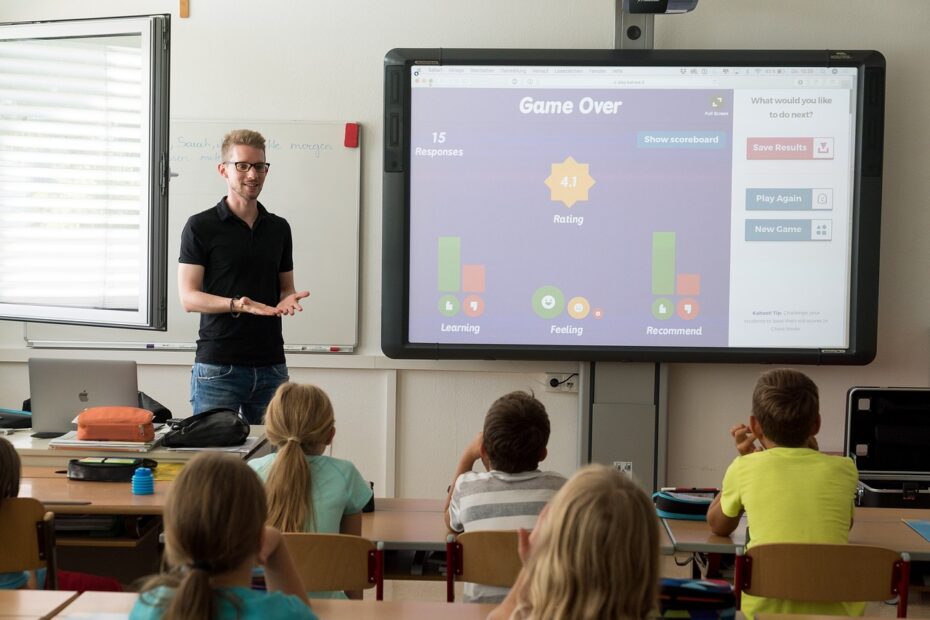
Teacher personality traits have a measurable impact on the quality of education students receive — and understanding which traits matter most could transform how schools hire, train, and support their educators. A large-scale meta-analysis examining 25 studies and over 6,294 teachers found that certain Big Five personality dimensions are consistently linked to both teacher effectiveness and the risk of burnout. The findings suggest that who a teacher is, not just what they know, shapes learning outcomes in profound ways.
This article breaks down the research in plain terms, explaining exactly how extraversion, conscientiousness, emotional stability, and openness each contribute to effective teaching — and why emotional instability is one of the strongest predictors of teacher burnout. Whether you are an educator, a school administrator, or simply curious about the psychology of great teaching, the insights here offer a science-grounded look at what makes teachers truly effective.
Once again, personality researcher and author of Villain Encyclopedia, Tokiwa (@etokiwa999), will provide the explanation.
※We have developed the HEXACO-JP Personality Assessment! It has more scientific basis than MBTI. Tap below for details.

目次
- 1 Why Teacher Personality Traits Matter More Than You Might Think
- 2 Which Teacher Personality Traits Predict Classroom Effectiveness?
- 2.1 Extraversion: The Strongest Predictor of Teaching Effectiveness
- 2.2 Conscientiousness: The Foundation of Reliable, High-Quality Teaching
- 2.3 Emotional Stability: Creating a Safe and Productive Classroom Climate
- 2.4 Openness to Experience: The Creative and Adaptive Edge
- 2.5 Agreeableness: A Surprising Non-Result
- 3 Teacher Burnout: How Personality Raises or Lowers the Risk
- 4 Actionable Advice: Leveraging Personality Traits for Better Teaching
- 5 Frequently Asked Questions
- 5.1 Which teacher personality traits are most strongly linked to classroom effectiveness?
- 5.2 Can introverted teachers be just as effective as extraverted ones?
- 5.3 What personality traits make a teacher more vulnerable to burnout?
- 5.4 Is it possible for teachers to change or improve their personality traits?
- 5.5 Why was agreeableness not significantly associated with teacher effectiveness in the research?
- 5.6 How can schools use personality research to improve teacher wellbeing?
- 5.7 Does the Big Five model apply equally across different cultures and teaching contexts?
- 6 Summary: What This Research Means for Educators and Schools
Why Teacher Personality Traits Matter More Than You Might Think
The Case for Studying Teacher Personality
A teacher’s personality shapes nearly every interaction they have in the classroom — from how they explain a difficult concept to how they respond when a student is struggling. While curriculum design and subject knowledge are obviously important, research suggests that the personal qualities a teacher brings to the job are equally influential in determining student outcomes.
Personality traits influence a teacher’s decision-making patterns, their communication style, their resilience under pressure, and the emotional tone they set in the classroom. These effects ripple outward to student engagement, academic confidence, and even long-term academic achievement. Understanding teacher personality traits offers several concrete benefits for the education system as a whole:
- Developing teaching methods that play to each educator’s natural strengths — a highly extraverted teacher may thrive with discussion-based learning, while a more conscientious teacher might excel at structured, detail-oriented instruction.
- Providing targeted training and support that addresses areas where a teacher’s personality may create blind spots or vulnerabilities.
- Improving student-teacher relationships by helping teachers understand how their personality comes across in the classroom.
- Boosting teacher self-awareness around stress responses, emotional regulation, and personal working styles.
In short, treating personality as a relevant professional variable — rather than something purely private — opens the door to smarter, more personalized professional development for educators.
The Big Five Personality Model Explained
The Big Five personality model — also known as the Five-Factor Model — is the most widely accepted framework in personality psychology for describing individual differences. It organizes human personality into 5 broad dimensions, each representing a spectrum rather than a fixed category. The 5 dimensions are:
- Openness to Experience: Intellectual curiosity, creativity, and a willingness to entertain new ideas and perspectives.
- Conscientiousness: A sense of responsibility, careful planning, self-discipline, and the tendency to follow through on commitments.
- Extraversion: Sociability, assertiveness, energy, and a preference for engaging with others and the external world.
- Agreeableness: Kindness, empathy, cooperativeness, and a tendency to prioritize harmony in relationships.
- Neuroticism (or, conversely, Emotional Stability): The tendency to experience negative emotions such as anxiety, irritability, and mood fluctuations. Low neuroticism equals high emotional stability.
Each person carries a unique profile across all 5 dimensions, and these profiles tend to be relatively stable across time and context. The Big Five model has been validated in hundreds of studies across dozens of cultures, making it a reliable tool for understanding how personality connects to professional performance — including teaching effectiveness.
How the Meta-Analysis Was Conducted
The research underpinning this article is a meta-analysis — a method that pools the results of many individual studies to identify broader, more reliable patterns than any single study could reveal on its own. Rather than observing one group of teachers in one school, the researchers synthesized findings from 25 separate studies involving a combined total of 6,294 teachers from at least 10 different countries, including the United States (15 studies), Australia (2 studies), Canada (2 studies), and individual studies from Cyprus, Israel, Poland, Romania, Taiwan, and Turkey.
The sample sizes across individual studies ranged from as few as 16 participants to as many as 2,671, with an average of approximately 252 teachers per study. To be included in the analysis, each study had to meet 3 key criteria:
- It measured teacher personality using the Big Five framework.
- It measured either teacher effectiveness or teacher burnout (or both).
- It reported quantitative data linking personality traits to those outcomes.
By applying rigorous statistical methods to combine effect sizes across all 25 studies, the researchers were able to draw conclusions with far greater confidence than any single study could support. The full paper is available at this link.
Which Teacher Personality Traits Predict Classroom Effectiveness?
Teacher effectiveness in this research was measured across 4 distinct indicators: ratings by students (such as course evaluation scores), students’ academic self-efficacy (their belief in their own ability to succeed), direct classroom observation scores, and students’ actual academic achievement. Together, these 4 measures provide a well-rounded picture of what it means for a teacher to be effective. Here is what the data revealed about each of the Big Five traits:
Extraversion: The Strongest Predictor of Teaching Effectiveness
Of all 5 personality dimensions, extraversion showed the strongest positive association with teacher effectiveness across the studies analyzed. Extraverted teachers tend to be energetic, socially confident, and naturally drawn to interaction — qualities that map very well onto the demands of classroom teaching.
Consider what teaching actually requires on a daily basis: capturing the attention of a room full of students, facilitating lively discussions, giving enthusiastic explanations, and maintaining engagement across an entire lesson. Research suggests that extraverted teachers tend to:
- Communicate with more energy and expressiveness, which tends to hold students’ attention more effectively.
- Build rapport with students more quickly, creating a classroom atmosphere where students feel comfortable participating.
- Actively draw students into the learning process by encouraging questions, debate, and collaborative activity.
It is worth noting that this does not mean introverted teachers are ineffective. Introverted educators often build deeply meaningful one-on-one relationships with students and create calmer, more reflective learning environments. However, the data does suggest that the naturally outward-oriented energy of extraversion provides a consistent advantage when it comes to the social and interactive demands of classroom teaching.
Conscientiousness: The Foundation of Reliable, High-Quality Teaching
Conscientiousness — characterized by responsibility, planning, and follow-through — was also significantly and positively linked to teacher effectiveness. Conscientious teacher traits are perhaps the easiest to understand intuitively: a teacher who prepares thoroughly, keeps commitments, and maintains clear classroom routines is almost certainly going to be more effective than one who does not.
More specifically, research suggests that highly conscientious teachers tend to:
- Prepare lessons more carefully and completely, ensuring that students receive well-structured, coherent instruction.
- Follow through on feedback and assessments, providing students with timely, meaningful guidance on their progress.
- Maintain consistent classroom management, creating a predictable environment where students know what to expect.
- Earn greater trust from students and parents by being reliable and dependable over time.
One nuance worth mentioning: extremely high conscientiousness can sometimes translate into rigidity. Effective teaching also requires the ability to adapt on the fly — to recognize when a lesson plan is not working and pivot accordingly. The most effective conscientious teachers appear to combine strong organizational habits with enough flexibility to respond to the real-time needs of their students.
Emotional Stability: Creating a Safe and Productive Classroom Climate
Emotional stability in teachers — the opposite of neuroticism — was positively associated with teacher effectiveness, and also emerged as a critical protective factor against burnout. Teachers who score low on neuroticism (i.e., high on emotional stability) tend to remain calm under pressure, manage setbacks without being overwhelmed, and maintain a consistent emotional presence in the classroom.
This matters enormously for students. Research on student-teacher relationships consistently shows that students feel safer, more motivated, and more willing to take academic risks when their teacher is emotionally predictable and composed. Emotionally stable teachers are more likely to:
- Handle classroom disruptions calmly, de-escalating tension rather than amplifying it.
- Provide a steady emotional anchor for students who may be dealing with stress or anxiety of their own.
- Make clearer decisions under pressure, rather than reacting impulsively to difficult situations.
- Sustain their motivation and commitment over the long term, reducing the risk of burnout.
It is important to note that emotional stability does not mean emotional suppression. Students benefit from teachers who can express appropriate warmth, enthusiasm, and even occasional vulnerability. The key is the absence of volatile, unpredictable emotional swings that can undermine the sense of security students need to learn effectively.
Openness to Experience: The Creative and Adaptive Edge
Openness to experience also showed a positive relationship with teacher effectiveness, suggesting that intellectually curious and creatively flexible teachers tend to be more impactful in the classroom. This finding makes intuitive sense: teaching is not a static profession. The educational landscape constantly evolves, student needs are endlessly diverse, and effective instruction often requires inventive solutions.
Teachers high in openness tend to:
- Embrace new teaching methods and technologies rather than defaulting to the same approaches year after year.
- Encourage critical thinking and curiosity in students by modeling intellectual engagement themselves.
- Adapt their instruction to diverse learners, drawing on a wide repertoire of strategies and perspectives.
- View student differences as opportunities rather than obstacles, creating more inclusive learning environments.
A word of balance: while openness is generally an asset, too much variability or novelty-seeking can create instability in the classroom. Students — particularly younger ones — also benefit from consistency and routine. The most effective open-minded teachers tend to balance creative flexibility with a reliable underlying structure.
Agreeableness: A Surprising Non-Result
Interestingly, agreeableness — which encompasses kindness, empathy, and cooperative behavior — did not show a statistically significant relationship with teacher effectiveness in this meta-analysis. This is perhaps the most counterintuitive finding in the entire study, given how often “caring” and “warm” are cited as hallmarks of a good teacher.
Several explanations are possible. It may be that agreeableness has a complex, context-dependent relationship with effectiveness that the included studies were not designed to capture. It is also possible that very high agreeableness occasionally works against effectiveness — for example, an extremely conflict-averse teacher may struggle to maintain firm boundaries or deliver honest critical feedback to students. Additionally, the way agreeableness was measured may have varied enough across the 25 studies to obscure consistent patterns.
This does not mean empathy and kindness are unimportant in teaching — far from it. It simply means that their relationship to measured effectiveness is more nuanced than a straightforward positive link. Further research with more consistent measurement tools is needed to clarify how agreeableness functions in educational contexts.
Teacher Burnout: How Personality Raises or Lowers the Risk
What Teacher Burnout Actually Looks Like
Teacher burnout is defined as a state of chronic physical and emotional exhaustion caused by prolonged exposure to occupational stress. It is not simply feeling tired at the end of a long semester. Burnout is a deeper, more persistent condition that fundamentally changes how a teacher relates to their work and to their students. Researchers typically describe it in terms of 3 core dimensions:
- Emotional exhaustion: A depletion of the emotional resources needed to engage with students compassionately and energetically. A burned-out teacher may feel they have “nothing left to give.”
- Depersonalization: The development of a cynical, detached, or even resentful attitude toward students. The work that once felt meaningful starts to feel mechanical or futile.
- Reduced personal accomplishment: A declining sense of competence and purpose — the feeling that one’s efforts are making no difference and that the profession is no longer rewarding.
The consequences of teacher burnout extend well beyond the individual educator. Burned-out teachers are less able to provide high-quality instruction, less likely to form positive relationships with students, and significantly more likely to leave the profession entirely. Given that teacher retention is a major challenge in many countries, burnout prevention is a pressing systemic concern — not just a personal wellness issue.
Emotional Stability as the Most Powerful Burnout Shield
The meta-analysis found that emotional stability (low neuroticism) was the single strongest personality-based protective factor against teacher burnout. Teachers who are naturally more emotionally stable appear to be significantly more resilient in the face of the daily stressors that accompany classroom work.
Teaching involves an unusually high density of interpersonal demands: managing challenging student behavior, navigating difficult conversations with parents, meeting administrative requirements, and maintaining enthusiasm through repetitive content. For a teacher high in neuroticism — someone prone to anxiety, irritability, or emotional volatility — each of these demands carries an amplified emotional cost. Over time, that cost accumulates into burnout.
Emotionally stable teachers, by contrast, tend to process stressors more efficiently. They are less likely to ruminate on negative events, less susceptible to anxiety spirals, and more capable of maintaining a realistic, problem-focused perspective when things go wrong. This does not mean they experience no stress — it means they tend to recover from it more effectively.
How Other Traits Interact With Burnout Risk
While emotional stability showed the clearest relationship with burnout, other personality dimensions also appear to play a role — albeit more indirectly. For example:
- High conscientiousness can be both a buffer and a risk factor. On one hand, organized teachers manage their workload more efficiently, reducing stress. On the other hand, perfectionistic tendencies associated with extreme conscientiousness can lead to overwork and an inability to “switch off,” which can accelerate burnout over time.
- High extraversion generally supports positive emotional states and a sense of social connection, which may buffer against the isolation that contributes to burnout — particularly in schools with a strong team culture.
- High neuroticism is consistently associated with greater emotional exhaustion and depersonalization, making it the most direct personality-based risk factor identified in the research.
These findings underscore the importance of personality-aware support systems in schools. A teacher with high neuroticism is not a “bad teacher” — they may be highly motivated and deeply caring. But they likely need different kinds of support than a more emotionally stable colleague: more frequent check-ins, access to stress management resources, and workloads designed to avoid chronic overwhelm.
Actionable Advice: Leveraging Personality Traits for Better Teaching
Understanding the research is only valuable if it translates into practical guidance. Here is how teachers and schools can act on what the data shows — whether the goal is boosting effectiveness or preventing burnout.
For Teachers: Play to Your Strengths and Protect Your Weaknesses
If you score high in extraversion: Lean into interactive, discussion-heavy teaching formats. Use your natural energy to energize your classroom. But also be mindful that not all students share your outward orientation — deliberately build in quiet reflection time and one-on-one opportunities for students who learn better in lower-stimulation settings.
If you score high in conscientiousness: Use your organizational strengths to design clear, well-scaffolded lessons and reliable assessment systems. However, practice “good enough” thinking in lower-stakes situations to protect yourself from perfectionism-driven overwork. Schedule deliberate rest and downtime — and treat it as non-negotiable.
If you score high in neuroticism: This is arguably the most important trait to be proactive about. Research suggests that learning and regularly practicing specific stress management techniques — such as mindfulness, cognitive reframing, or regular physical exercise — can meaningfully reduce the emotional reactivity associated with high neuroticism. Seeking peer support and professional supervision is not a sign of weakness; it is a smart, evidence-based strategy for career sustainability.
If you score high in openness: Use your creativity to keep lessons fresh and your students genuinely curious. But pair your innovations with enough routine structure that students — especially those who need predictability — do not feel destabilized by constant change.
For Schools and Administrators: Build Personality-Aware Support Systems
Schools can do far more than they typically do to incorporate personality awareness into professional development and wellbeing support. Practically speaking, this might involve:
- Offering voluntary personality assessments (such as the Big Five Inventory) as part of onboarding or annual professional development, with appropriate counseling to help teachers interpret and act on their results.
- Designing role assignments and team structures that play to the natural strengths of individual teachers — for example, placing highly extraverted teachers in roles that require extensive student engagement and community outreach.
- Developing targeted burnout prevention programs for teachers who show signs of high neuroticism or emotional exhaustion, rather than waiting for the problem to escalate.
- Training school leaders to recognize personality-based stress responses and respond with appropriate accommodation and support rather than criticism or pressure.
None of these steps require treating personality as destiny. The goal is not to sort teachers into rigid categories, but to recognize that different people need different kinds of support — and that understanding personality is one of the most efficient ways to identify what that support should look like.
Frequently Asked Questions
Which teacher personality traits are most strongly linked to classroom effectiveness?
Research from a meta-analysis of 25 studies involving over 6,294 teachers suggests that extraversion shows the strongest positive link to teacher effectiveness, followed by conscientiousness, emotional stability, and openness to experience. Extraversion appears to be especially influential because teaching is an inherently social and interactive profession. However, no single trait tells the whole story — a balanced profile across multiple dimensions tends to support the broadest range of teaching demands.
Can introverted teachers be just as effective as extraverted ones?
Yes — introversion does not equal ineffectiveness. While research suggests extraversion correlates positively with teacher ratings and student engagement on average, introverted teachers bring their own valuable strengths: deeper one-on-one connections with students, a calm and reflective classroom atmosphere, and thoughtful, nuanced feedback. The key for introverted educators is to recognize their natural working style, design their teaching approaches accordingly, and build in recovery time to avoid social energy depletion.
What personality traits make a teacher more vulnerable to burnout?
High neuroticism — or, equivalently, low emotional stability — is the personality trait most consistently linked to teacher burnout in the research literature. Teachers who are prone to anxiety, mood swings, or emotional reactivity tend to accumulate stress more rapidly and recover from it more slowly. Extremely high conscientiousness can also be a risk factor when it manifests as perfectionism and an inability to disengage from work. Burnout prevention strategies should be tailored to address these specific vulnerabilities.
Is it possible for teachers to change or improve their personality traits?
Personality traits are relatively stable over time, but research suggests they are not completely fixed. Deliberate practice, behavioral habits, and therapeutic interventions can produce meaningful changes — particularly in domains like emotional regulation, stress tolerance, and communication style. For example, regular mindfulness training has been shown to reduce neuroticism-related emotional reactivity. Teachers do not need to overhaul their personalities; they need targeted, practical skills that work with their natural tendencies rather than against them.
Why was agreeableness not significantly associated with teacher effectiveness in the research?
This was one of the more surprising findings. One possible explanation is that agreeableness operates in a more complex, context-dependent way than other traits. Very high agreeableness can sometimes hinder effectiveness — for instance, a conflict-averse teacher may struggle to enforce boundaries or deliver critical feedback. Measurement inconsistencies across the 25 studies may also have obscured real effects. Researchers note that this null result does not mean empathy and kindness are unimportant — it simply means their link to measured effectiveness is more nuanced.
How can schools use personality research to improve teacher wellbeing?
Schools can act on personality research by offering voluntary Big Five assessments as part of professional development, using results to inform role assignments and mentoring strategies, and developing differentiated wellbeing programs rather than one-size-fits-all wellness initiatives. Teachers higher in neuroticism, for example, may benefit most from structured stress management training and regular peer support check-ins. Personality-aware leadership creates an environment where teachers feel seen as individuals — which itself is a significant protective factor against burnout.
Does the Big Five model apply equally across different cultures and teaching contexts?
The Big Five model has been validated in a wide range of cultural contexts and is considered the most cross-culturally robust personality framework available. The meta-analysis included studies from at least 10 countries across multiple continents, which adds meaningful breadth to its findings. That said, the specific ways personality traits express themselves in teacher behavior — and the weighting given to different traits by students and administrators — may vary across educational cultures. Findings should be interpreted as broad tendencies rather than universal absolutes.
Summary: What This Research Means for Educators and Schools
The evidence is clear: teacher personality traits are not peripheral to educational quality — they are central to it. A meta-analysis of 25 studies covering more than 6,294 educators across multiple countries consistently found that extraversion, conscientiousness, emotional stability, and openness to experience all contribute positively to teaching effectiveness. At the same time, low emotional stability (high neuroticism) emerged as the most significant personality-based risk factor for burnout — a finding with serious implications for teacher retention and student outcomes alike.
These findings do not suggest that personality determines a teacher’s fate. Rather, they highlight that self-awareness is one of the most underutilized tools in professional development. When teachers understand their own personality profile — their natural strengths and their genuine vulnerabilities — they are far better equipped to make intentional choices about how they teach, how they manage stress, and how they seek support. Schools that take personality seriously will be better positioned to build resilient, effective, and deeply engaged teaching teams.
Curious about where your own personality profile fits in this picture? Explore your Big Five traits and see how your natural tendencies align with the qualities that research links to effective, sustainable teaching.