
Child psychopathy heritability is a topic that challenges many parents’ deepest assumptions about raising children. When a child frequently fights, lies, or shows little remorse, it’s natural to wonder, “Did I do something wrong?” Research suggests, however, that a significant portion of these behaviors may be rooted in genetics — not parenting style. A landmark twin study found that callous-unemotional traits and antisocial behavior in children as young as 7 years old are strongly influenced by genetic factors, sometimes accounting for as much as 80% of the variance in these behaviors.
This article explores the science behind childhood behavioral problems, breaking down what researchers have discovered about the nature vs nurture behavior debate as it applies to conduct disorder heritability and early childhood development. Whether you are a parent, teacher, or simply curious about psychology, understanding the genetic roots of these traits can replace guilt and confusion with clarity and compassion.
Once again, personality researcher and author of Villain Encyclopedia, Tokiwa (@etokiwa999), will provide the explanation.
※We have developed the HEXACO-JP Personality Assessment! It has more scientific basis than MBTI. Tap below for details.

目次
- 1 What Do “Difficult” Children Actually Look Like? Key Traits Explained
- 2 Understanding Callous-Unemotional Traits in Children
- 3 The Twin Study Method: How Researchers Measure Child Psychopathy Heritability
- 4 Two Distinct Subtypes of Conduct Problems: Why “One Size Fits All” Doesn’t Work
- 5 What Does This Mean for Parents, Teachers, and Early Intervention?
- 6 Frequently Asked Questions
- 6.1 How much of a child’s antisocial behavior is determined by genetics?
- 6.2 Does bad parenting cause a child to develop psychopathy-like traits?
- 6.3 Can children with high heritability for these traits still improve?
- 6.4 What is the difference between a child with CU traits and one who is simply shy or introverted?
- 6.5 Why were teachers used as raters in this research rather than parents?
- 6.6 Are siblings of children with high CU traits at greater risk of similar behaviors?
- 6.7 At what age can callous-unemotional traits first be reliably detected?
- 7 Summary: What Child Psychopathy Heritability Really Tells Us
What Do “Difficult” Children Actually Look Like? Key Traits Explained
Children who are labeled as “troublemakers” or “problem children” tend to share a distinct cluster of behavioral and emotional characteristics. Rather than simply being hyperactive or disobedient, these children often display patterns of behavior that seriously disrupt their relationships with others. Understanding these patterns is the first step toward responding to them appropriately.
The 2 core trait categories researchers focus on are Antisocial Behavior (AB traits) and Callous-Unemotional (CU) traits. AB traits refer to behaviors that cause harm or disturbance to others — such as hitting, stealing, lying, or persistent defiance. CU traits, on the other hand, describe an emotional style: a child who seems indifferent to the feelings of others, shows little guilt after hurting someone, and rarely expresses warmth or empathy.
When both trait categories appear together in the same child, researchers consider this a strong early indicator of what is clinically linked to psychopathy-like tendencies. It is important to note that this does not mean a child is “destined” to become a criminal — rather, it signals that the child has a particular psychological profile that requires specialized understanding and support.
- Antisocial Behavior (AB traits): Hitting, stealing, lying, defying authority figures, frequent aggression toward peers
- Callous-Unemotional (CU) traits: Lack of empathy, absence of guilt, emotional flatness, indifference to others’ pain or distress
- Combined profile: Children showing both AB and CU traits are considered the highest-risk subgroup for long-term behavioral problems
In short, childhood behavioral problems causes are more nuanced than they appear on the surface. Not every child who misbehaves fits the same profile, and correctly identifying which traits are present is essential before deciding on an intervention strategy.
Understanding Callous-Unemotional Traits in Children
Callous-unemotional traits in children refer to a consistent pattern of reduced empathy, limited emotional expression, and a weak sense of guilt — and research suggests these characteristics can be observed as early as age 7. While it may be tempting to dismiss these traits as “just a phase,” studies indicate that CU traits are relatively stable over time and have a strong biological basis.
A child with pronounced CU traits tends to seem emotionally “flat.” They may rarely smile, show little distress when others are hurt, and appear unbothered after doing something wrong. This is not the same as a child who is simply shy or quiet — the key distinction is the absence of concern for others rather than social withdrawal.
Researchers typically assess CU traits using structured questionnaires. In the twin study this article draws from, 7 questions were used to evaluate these traits, drawn from standardized psychological assessment tools. Teachers — rather than parents — were found to provide more reliable ratings (reliability score: 0.74), because they can observe children across a wide social context and have a broader comparison group.
- Lack of empathy: Rarely shows concern when a classmate is hurt or upset
- Absent guilt: Does not appear remorseful after hurting others or breaking rules
- Emotional flatness: Minimal facial expressions; rarely shows joy, sadness, or affection
- Low achievement motivation: Little interest in doing well at school or being praised
These characteristics are considered part of the child’s underlying temperament rather than a direct product of poor parenting. This distinction matters enormously — because it shifts the focus from blame to understanding, and from punishment to tailored support.
The Twin Study Method: How Researchers Measure Child Psychopathy Heritability
Twin studies are one of the most powerful scientific tools for separating genetic influences from environmental ones — and they have produced some of the most compelling evidence for child psychopathy heritability to date. The logic is elegant: by comparing identical (monozygotic) twins, who share 100% of their DNA, with fraternal (dizygotic) twins, who share approximately 50%, researchers can estimate how much of a behavioral trait is driven by genetics versus upbringing.
The study examined here was part of the Twins Early Development Study (TEDS), a large-scale British research project. It included 3,687 pairs of twins — a total of 7,374 children — born in 1994 and 1995. Behavioral assessments were conducted when the children were approximately 7.1 years old. To focus on children with the most pronounced traits, the study selected those whose callous-unemotional scores were at least 1.31 standard deviations above the mean (roughly the top 13%) and whose antisocial behavior scores were at least 1.28 standard deviations above the mean (roughly the top 10%).
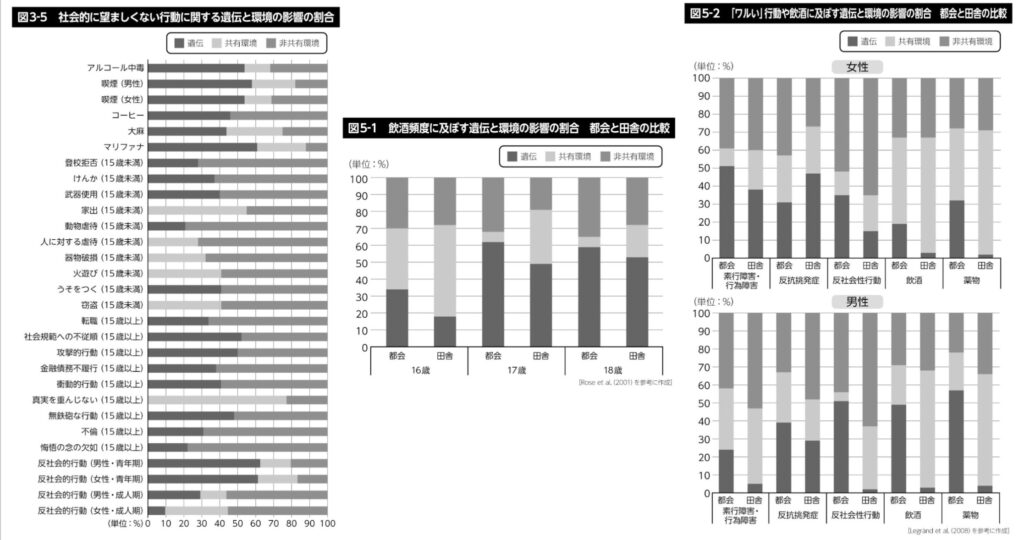
The key finding: when CU traits and antisocial behavior occurred together, genetic factors accounted for approximately 80% of the observed variation, while shared environmental factors (such as family conditions or parenting style) contributed almost nothing statistically. This was a striking result, even by the standards of behavioral genetics.
- Identical twins (MZ): Share 100% of DNA — higher behavioral similarity suggests stronger genetic influence
- Fraternal twins (DZ): Share ~50% of DNA — behavioral differences highlight where genes play a role
- Heritability estimate for combined CU + AB traits: Approx. 80%
- Shared environment contribution: Near zero in children with the combined profile
This does not mean environment is irrelevant — it means that for children already showing high CU traits, the most powerful influence on their behavior appears to come from within, not from external conditions. Understanding this distinction is key to designing effective early intervention psychopathy programs.
Two Distinct Subtypes of Conduct Problems: Why “One Size Fits All” Doesn’t Work
One of the most practically important findings from this research area is that not all children with antisocial behavior are the same — and treating them as though they were is likely to lead to ineffective or even counterproductive interventions. Studies in antisocial behavior genetics have consistently identified at least 2 meaningful subtypes of children with conduct problems.
The first subtype shows high CU traits combined with antisocial behavior. These children tend to be emotionally flat, indifferent to consequences, and show little response to standard behavioral correction methods. Their problems appear to be heavily driven by biology, and respond less to changes in the home or classroom environment alone.
The second subtype shows antisocial behavior without strong CU traits. These children may act out aggressively or defiantly, but they retain the capacity for guilt, empathy, and emotional connection. Importantly, their behavior tends to be more responsive to environmental changes — such as improvements in family stability, school climate, or consistent positive reinforcement.
- Subtype 1 (High CU + AB): Emotionally flat, low guilt, behavior less responsive to environmental changes, higher genetic loading — estimated heritability ~80%
- Subtype 2 (AB without CU): Emotionally reactive, capable of empathy, behavior more sensitive to home and school environment, responds better to conventional behavioral interventions
This distinction carries real-world significance. For Subtype 1 children, effective support may require specialized therapeutic approaches that go beyond standard discipline. For Subtype 2 children, environmental improvements and consistent emotional coaching can make a meaningful difference. Accurately identifying a child’s subtype is therefore the foundation of any effective support plan.
What Does This Mean for Parents, Teachers, and Early Intervention?
The most important practical takeaway from this body of research is that early identification and tailored support — not blame — is the path forward. Conduct disorder heritability data should not be used to write off a child as “beyond help.” Rather, it should motivate earlier, more targeted action, because the window for meaningful change is widest in childhood.
Here are evidence-informed strategies that research suggests can make a real difference, depending on the child’s profile:
For Parents: Shift from Blame to Understanding
Research strongly suggests that CU traits and antisocial behavior are not primarily caused by parenting failures. Recognizing this allows parents to move away from guilt and toward problem-solving. Why it works: When parents stop blaming themselves, they become better equipped to seek professional guidance and maintain the emotional consistency the child needs. How to practice it: Consult a child psychologist or clinical specialist early. Request a formal behavioral assessment rather than relying solely on school feedback.
For Teachers: Use Structured, Consistent Rules Over Emotional Appeals
For children with high CU traits, emotional reasoning (“Don’t you feel bad for hurting her?”) tends to be less effective than clear, predictable rule structures. Why it works: Children with reduced empathic capacity respond better to concrete expectations and immediate, consistent consequences than to appeals to guilt. How to practice it: Establish non-negotiable classroom rules with calm, predictable enforcement. Recognize and reward prosocial behavior specifically and immediately when it occurs.
For All Adults: Support Early Intervention Psychopathy Programs
Specialized early intervention programs designed for children with callous-unemotional traits have shown more promising outcomes than standard behavior management approaches. Why it works: These programs typically use techniques that build emotional recognition skills gradually, rather than expecting empathy the child may not yet be capable of producing naturally. How to practice it: Advocate for access to specialist child mental health services. Coordinate between home, school, and clinical professionals so that the child receives consistent messaging across all environments.
Frequently Asked Questions
Research suggests that when callous-unemotional traits and antisocial behavior appear together in children, genetic factors may account for approximately 80% of the variation in those behaviors. The remaining roughly 20% tends to reflect non-shared environmental influences — experiences unique to that individual child rather than shared family conditions. This estimate comes from large-scale twin studies and represents one of the higher heritability figures found in child psychology research.
Does bad parenting cause a child to develop psychopathy-like traits?
Studies indicate that for children with strong callous-unemotional traits combined with antisocial behavior, shared family environment — including parenting style — contributes very little to the development of those traits statistically. This does not mean parenting is irrelevant to a child’s overall wellbeing, but it does suggest that blaming parents as the primary cause of these specific traits is not supported by the available evidence. Genetic factors appear to play a far larger role in this particular profile.
Can children with high heritability for these traits still improve?
Yes — heritability does not mean inevitability. Research on early intervention psychopathy programs shows that children with callous-unemotional traits can make meaningful progress when they receive specialized, consistent support from an early age. Tailored therapeutic approaches that focus on gradually building emotional recognition and prosocial behavior skills — rather than relying solely on punishment or guilt-based methods — tend to show the most promise in this population.
What is the difference between a child with CU traits and one who is simply shy or introverted?
Callous-unemotional (CU) traits are distinct from shyness or introversion. A shy child may avoid social interaction due to anxiety or discomfort, but typically still cares about others’ feelings and can feel empathy and guilt. A child with high CU traits, by contrast, tends to show a genuine absence of concern for others’ wellbeing — not reluctance to engage, but indifference. This distinction is clinically important because the two profiles require very different types of support.
Why were teachers used as raters in this research rather than parents?
In the twin study examined here, teacher ratings of children’s behavior showed higher reliability scores (0.74 for CU traits; 0.71 for antisocial behavior) compared to parent ratings (0.45 and 0.58 respectively). Teachers interact with many children of the same age simultaneously, giving them a broader reference point for judging what is typical versus unusual behavior. They also tend to be less emotionally invested, which can reduce the bias that sometimes affects parental assessments.
Are siblings of children with high CU traits at greater risk of similar behaviors?
Because conduct disorder heritability is substantial, siblings who share genetic material may have a higher statistical likelihood of showing similar traits — though this is by no means guaranteed. Each child is an individual, and the expression of genetic tendencies varies widely depending on the specific combination of genes and personal experiences. Families with one child showing pronounced CU traits should consider proactive monitoring of siblings, but should avoid assuming similar outcomes without evidence.
At what age can callous-unemotional traits first be reliably detected?
Research suggests that callous-unemotional traits can be reliably identified in children as young as 7 years old, and some studies indicate that precursor signs may appear even earlier. The twin study discussed in this article specifically focused on 7-year-olds and found that behavioral profiles at this age already showed strong genetic loading. Early identification at this stage is valuable because it opens the window for timely, specialized intervention before patterns become more entrenched.
Summary: What Child Psychopathy Heritability Really Tells Us
The science of child psychopathy heritability does not offer a simple or comfortable story — but it does offer a more honest and ultimately more useful one. Research drawing on thousands of twin pairs indicates that callous-unemotional traits in children, especially when combined with antisocial behavior, are more strongly shaped by genetics than by family environment. This finding challenges the instinct to blame parents or dismiss these children as simply “badly raised,” and instead points toward a more compassionate, biology-informed approach to support.
Critically, high heritability does not mean hopelessness. It means that earlier identification, more targeted support strategies, and realistic expectations about what standard discipline alone can achieve are the building blocks of effective help. Children with these traits are not broken — they are wired differently, and they deserve interventions designed with that difference in mind. The nature vs nurture behavior debate, in this context, is less about assigning blame and more about asking: now that we know this, how do we help most effectively?
If you recognize some of these patterns in a child you care for, the most important next step is not judgment — it is knowledge. Explore what the latest research says about early intervention options for children showing callous-unemotional or antisocial traits, and take action while the window for change is still wide open.