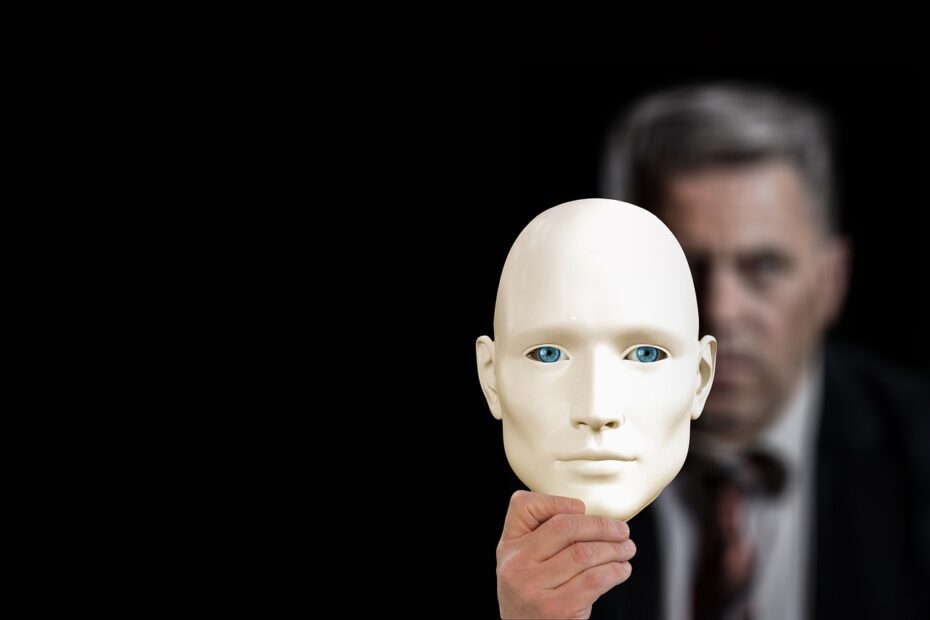
Dark triad empathy research reveals a striking paradox: some of the most socially dangerous personality types are not emotionally blind — they can read people with unsettling accuracy. What sets them apart is that they simply choose not to care. This disconnect between understanding emotions and responding to them with compassion sits at the heart of what psychologists call the “dark triad,” and understanding it can change how you interpret the people around you.
A landmark study titled The affective and cognitive empathic nature of the dark triad of personality dug deeply into this question, exploring exactly how the 3 core dark personality traits — Machiavellianism, narcissism, and psychopathy — relate to empathy. The findings challenge the popular assumption that “bad” people simply can’t feel. The reality is far more nuanced, and far more worth knowing.
Once again, personality researcher and author of Villain Encyclopedia, Tokiwa (@etokiwa999), will provide the explanation.
※We have developed the HEXACO-JP Personality Assessment! It has more scientific basis than MBTI. Tap below for details.

目次
- 1 What Are Dark Triad Personality Traits? A Clear Definition
- 2 Cognitive Empathy vs Affective Empathy: The Key Distinction in Dark Triad Research
- 3 How Each Dark Triad Trait Relates to Empathy Differently
- 4 Recognizing Toxic Personality Traits in Workplace and Everyday Settings
- 5 Actionable Advice: What to Do With This Knowledge
- 6 Frequently Asked Questions
- 6.1 Can people with dark triad traits genuinely improve their empathy?
- 6.2 Does having dark triad traits automatically make someone a bad person?
- 6.3 What is the difference between cognitive empathy and affective empathy in simple terms?
- 6.4 How can I tell if someone is using empathy to manipulate me?
- 6.5 Is the dark triad the same as a personality disorder diagnosis?
- 6.6 What are the most common signs of a toxic personality in a workplace setting?
- 6.7 How is the empathy deficit in psychopathy different from autism-related social difficulties?
- 7 Summary: What Dark Triad Empathy Research Tells Us About Human Nature
What Are Dark Triad Personality Traits? A Clear Definition
The dark triad is a cluster of 3 socially aversive personality traits — Machiavellianism, narcissism, and psychopathy — that research consistently links to manipulative, self-serving, and callous behavior. The term was coined in personality psychology to describe individuals who tend to cause harm in social and professional relationships, not through mental illness, but through stable personality characteristics.
While each trait is distinct, they share a common thread: a tendency to prioritize personal gain over the well-being of others. Each one interacts with empathy in a different — and often surprising — way. Here is a quick breakdown of what each trait means:
- Machiavellianism: Named after the Renaissance political philosopher, this trait describes a calculating, strategic approach to social interactions. People high in Machiavellianism tend to deceive, manipulate, and exploit others to reach their goals, with little concern for morality.
- Narcissism: Characterized by an inflated sense of self-importance, a deep need for admiration, and a tendency to feel entitled. Narcissistic individuals often appear charming at first, but relationships with them tend to become one-sided over time.
- Psychopathy: Marked by emotional shallowness, lack of remorse, impulsivity, and a striking indifference to the suffering of others. This is the trait most strongly associated with a true empathy deficit.
It is important to note that these traits exist on a spectrum. Most people have some trace of each quality, and research suggests it is only when these traits are highly pronounced that they become genuinely harmful. The dark triad is not a diagnosis — it is a personality profile.
Cognitive Empathy vs Affective Empathy: The Key Distinction in Dark Triad Research
One of the most important contributions of dark triad empathy research is the sharp distinction it draws between 2 fundamentally different types of empathy — and why that difference matters enormously when assessing dark personality types.
Empathy is not a single ability. Psychologists divide it into at least 2 separate processes:
- Cognitive empathy is the ability to identify and understand what another person is thinking or feeling — essentially, it is “reading” someone’s emotional state through observation and reasoning. It is an intellectual skill, not necessarily a warm one.
- Affective empathy (also called emotional empathy) is the ability to actually feel what someone else is feeling — to be moved by their joy, pain, or fear in a way that resonates emotionally within yourself.
Most people use both in combination. When a friend cries, you understand why they are upset (cognitive empathy) and also feel a pang of sadness yourself (affective empathy). This combination is what motivates kind, supportive behavior.
Research suggests that individuals high in dark triad traits tend to show a very specific pattern: relatively intact — or even above-average — cognitive empathy, combined with notably low affective empathy. In plain language, they can figure out exactly how you feel, but they do not feel it themselves. This is what makes the combination so potentially dangerous: social intelligence in the service of manipulation, rather than connection.
How Each Dark Triad Trait Relates to Empathy Differently
Although the 3 dark triad traits are often grouped together, dark triad empathy research shows that Machiavellianism, narcissism, and psychopathy each have a meaningfully distinct relationship with cognitive and affective empathy. Understanding these differences helps explain why each type behaves the way they do in relationships and at work.
Machiavellianism and Emotional Intelligence: Cold Strategy Over Warm Connection
Machiavellian individuals tend to be skilled social strategists. Research indicates they often maintain a functional level of cognitive empathy — they can read the room, detect vulnerability, and identify what others want or fear. However, their affective empathy tends to be low. They are not moved by other people’s distress.
- They may appear emotionally detached or “cold” in conversations, even when they understand the topic is sensitive.
- They tend to use their social perception skills strategically — to gain advantage, not to offer support.
- Studies suggest they are comfortable lying and feel minimal guilt about deception, which further distances them from genuine emotional responsiveness.
In a workplace context, Machiavellian personalities can be among the more difficult to identify because they are often articulate, composed, and superficially cooperative — right up until their strategy shifts. Recognizing emotional manipulation signs, such as sudden loyalty changes or information withholding, can be a useful early warning.
Narcissism and Emotional Intelligence: Surprising Empathy — With a Catch
Narcissism and emotional intelligence have a more nuanced relationship than most people expect. Narcissistic individuals are often surprisingly attuned to others’ emotional states — but primarily because they are intensely focused on how they are being perceived. This social monitoring creates a form of cognitive empathy, though it is self-serving in nature.
- They notice when others are impressed, bored, or critical of them — and respond accordingly.
- Their ability to read a room can make them appear charismatic and emotionally intelligent in short interactions.
- However, affective empathy — the genuine, felt concern for another person’s experience — tends to be significantly lower.
In practice, this means a narcissistic colleague might deliver a surprisingly empathetic-sounding response when it benefits their image, but show little genuine support when there is nothing to gain. Research suggests this pattern can be especially confusing for people close to them, because the empathy seems real — until it isn’t needed anymore.
Psychopathy and the Empathy Deficit: The Deepest Disconnect
Of the 3 traits, psychopathy tends to show the most severe empathy deficit — affecting both cognitive and affective empathy, though the degree varies between what researchers call “primary” and “secondary” psychopathy.
- Primary psychopathy is associated with a deep, stable emotional flatness — reduced fear responses, minimal guilt, and a near-absence of affective empathy. Individuals with high primary psychopathy may not be emotionally “moved” by anything.
- Secondary psychopathy tends to involve more impulsivity and reactive aggression, and may include slightly more emotional sensitivity — but it is often unstable and poorly regulated.
- Research indicates that even facial expressions of distress — crying or expressions of fear — tend to generate less neural activation in individuals high in psychopathy compared to average individuals.
This psychopathy empathy deficit is the dimension most studied in forensic psychology, but it also manifests in milder forms in everyday workplaces and relationships — as a seemingly unshakeable indifference to causing hurt.
Recognizing Toxic Personality Traits in Workplace and Everyday Settings
One of the most practical applications of dark triad empathy research is learning to recognize these emotional manipulation signs in real-world contexts — particularly the workplace, where toxic personality traits can cause significant harm before they are identified.
Research suggests that individuals high in dark triad traits tend to be overrepresented in competitive, high-status environments. They can be impressive in job interviews and early performance reviews, but over time, certain behavioral patterns tend to emerge. Here are some commonly observed signals worth knowing:
- Credit-claiming and blame-shifting: Taking visible credit for group successes while consistently attributing failures to others — without apparent guilt or self-reflection.
- Charm that feels inconsistent: Being warm and engaging in front of an audience, but noticeably dismissive or cold in private or one-on-one settings.
- Selective empathy: Appearing highly empathetic toward those with power or influence, but showing little concern for peers or subordinates.
- Persistent rule-bending: Treating organizational norms or ethical guidelines as inconveniences that apply to others but not to themselves.
- Emotional leverage: Using information shared in confidence to gain advantage, or manufacturing emotional scenarios to test or control others.
It is worth emphasizing that no single behavior is proof of a dark triad profile. However, a consistent pattern of approximately 3 or more of these behaviors, especially combined with low accountability, should prompt careful attention. Protecting your own emotional boundaries in these situations is not paranoia — research supports it as a reasonable self-protective response.
Actionable Advice: What to Do With This Knowledge
Understanding the findings of dark triad empathy research is only useful if it changes how you act — whether you are trying to protect yourself, improve your own empathy patterns, or work more effectively alongside difficult personalities. Here is practical guidance drawn from the psychological research behind these traits.
If You Are Concerned About Someone in Your Life
- Stay fact-focused in conflict. Individuals high in Machiavellianism or psychopathy often respond to emotional appeals by doubling down or exploiting vulnerability. Keeping conversations grounded in observable behaviors and specific facts reduces this leverage.
- Set boundaries in writing where possible. Agreements made verbally with high-Machiavellian individuals may be reinterpreted later. A brief email summary of decisions protects you without escalating conflict.
- Build a support network outside the relationship. Toxic personalities in workplaces or close relationships often isolate their targets gradually. Maintaining diverse connections — approximately 3 or more close, trusted relationships — helps counteract this effect.
If You Recognize These Tendencies in Yourself
- Practice pausing before responding. Affective empathy can be trained through deliberate attention. Research suggests that consciously asking “how would I feel in their position?” — and sitting with the answer for at least a few seconds before responding — can gradually strengthen emotional responsiveness.
- Track long-term relationship patterns. People with elevated dark triad traits often leave a trail of burned bridges they rationalized at the time. Reviewing your own relational history with honesty can reveal patterns worth addressing.
- Consider working with a psychologist or therapist. Cognitive-behavioral approaches have shown some promise in helping individuals with low affective empathy build more responsive emotional habits — especially when the individual is genuinely motivated to change.
Frequently Asked Questions
Can people with dark triad traits genuinely improve their empathy?
Research suggests that affective empathy — the felt, emotional side of empathy — can be strengthened with deliberate practice, but it tends to require genuine motivation and consistent effort. Cognitive-behavioral therapy and mindfulness-based approaches have shown some promising results. However, improvement is generally more achievable in individuals with Machiavellian or narcissistic traits than in those with high primary psychopathy, where the emotional deficit tends to be deeper and more stable.
Does having dark triad traits automatically make someone a bad person?
Not necessarily. Dark triad personality traits exist on a spectrum, and research indicates that mild levels of traits like narcissism can actually support confident leadership, bold decision-making, and resilience under pressure. The harm tends to emerge when these traits are highly pronounced and consistently directed at exploiting others. Context, degree, and self-awareness all significantly shape how these tendencies manifest in real life.
What is the difference between cognitive empathy and affective empathy in simple terms?
Cognitive empathy is the ability to understand what someone else is feeling — it is a mental skill, like reading a map of another person’s emotional state. Affective empathy is actually feeling something in response to that — being moved, saddened, or gladdened alongside them. Most people use both together, but dark triad empathy research consistently finds that dark triad individuals tend to retain cognitive empathy while showing a notable deficit in affective empathy — they can read you, but they do not feel for you.
How can I tell if someone is using empathy to manipulate me?
Key emotional manipulation signs include empathy that appears only in high-visibility situations, sympathy that disappears once your usefulness ends, and “understanding” responses that are immediately followed by requests or leverage. Research on Machiavellian behavior in particular highlights the pattern of gathering emotional information — such as your fears, insecurities, or personal history — and later using it strategically rather than to genuinely support you. Consistency over time is one of the most reliable tests of authentic empathy.
Is the dark triad the same as a personality disorder diagnosis?
No. The dark triad is a research framework used in personality psychology, not a clinical diagnosis. While there are overlaps — narcissistic personality disorder and antisocial personality disorder, for example, share features with narcissism and psychopathy respectively — scoring high on dark triad measures does not mean someone has a diagnosable condition. The dark triad describes trait tendencies along a continuum, whereas personality disorder diagnoses require significant impairment and clinical assessment.
What are the most common signs of a toxic personality in a workplace setting?
Research on toxic personality in workplace environments points to several recurring patterns: consistently claiming credit for group achievements while deflecting blame, maintaining a charming public persona that contrasts sharply with private behavior, showing empathy selectively toward those with authority, and disregarding team norms while expecting others to follow them. If approximately 3 or more of these patterns appear consistently in the same person, that is a meaningful signal worth taking seriously — even if no single behavior seems extreme on its own.
This is an important distinction that research actively emphasizes. Individuals on the autism spectrum may struggle to read others’ emotional cues (lower cognitive empathy) but often experience strong affective empathy — they feel deeply, even when they find it hard to decode social signals. Psychopathy tends to show the opposite pattern: preserved or even heightened ability to read emotions, combined with an absence of felt emotional response. The motivation is entirely different — one group wants to connect but finds it difficult; the other finds connection simply irrelevant.
Summary: What Dark Triad Empathy Research Tells Us About Human Nature
The core insight of dark triad empathy research is both fascinating and sobering: the capacity to understand other people’s emotions does not automatically lead to caring about them. Machiavellianism, narcissism, and psychopathy each represent a different way that cognitive empathy and affective empathy can come apart — leaving individuals who are socially perceptive but emotionally indifferent. Understanding this distinction helps explain some of the most confusing and painful interpersonal experiences people face, from workplace manipulation to emotionally one-sided relationships.
Knowledge here is genuinely protective. When you understand what a psychopathy empathy deficit actually looks like — or how narcissism and emotional intelligence interact in a self-serving way — you are far better equipped to trust your instincts and respond wisely. If this article resonated with you, consider exploring your own empathy profile more closely — understanding where your strengths and gaps lie may be one of the most valuable things you can do for your relationships and your own well-being.