
Personality traits and academic performance are more deeply connected than most people realize. Many of us assume that test scores are purely a reflection of raw intelligence — that some people are simply “born smart” while others are not. But a growing body of research suggests a more nuanced picture: character skills like conscientiousness, agreeableness, and emotional stability play a measurable role in determining how well students learn, how far they progress in their education, and even how healthy and satisfied they feel throughout life.
A landmark study by the OECD — Social and Emotional Skills for Student Success and Well-being — examined how social and emotional skills relate to a wide range of life outcomes across multiple countries. The findings were striking: personality and character skills education matter not just for grades, but for employment, relationships, and mental health. In this article, we break down exactly what the science says, trait by trait, and explain what it means for you — whether you are a student, a parent, or simply curious about your own potential.
Once again, personality researcher and author of Villain Encyclopedia, Tokiwa (@etokiwa999), will provide the explanation.
※We have developed the HEXACO-JP Personality Assessment! It has more scientific basis than MBTI. Tap below for details.

目次
- 1 What Are the Big Five Personality Traits and Why Do They Matter?
- 2 How Personality Traits Influence Academic Performance — Trait by Trait
- 2.1 Conscientiousness and Learning: The Power of Showing Up Every Day
- 2.2 Agreeableness: The Foundation for Collaborative Learning
- 2.3 Openness to Experience: Curiosity as an Academic Superpower
- 2.4 Emotional Stability: Performing Under Pressure
- 2.5 Extraversion: Social Energy as a Context-Dependent Advantage
- 3 Can Personality Traits Be Developed? What the Evidence Says
- 4 Personality and Academic Success: Actionable Strategies for Students and Parents
- 5 Frequently Asked Questions
- 5.1 Are personality traits fixed from birth, or can they change?
- 5.2 How strongly do personality traits predict academic performance compared to IQ?
- 5.3 What does the OECD research on social and emotional skills actually show?
- 5.4 Does being introverted put students at a disadvantage academically?
- 5.5 Can low conscientiousness be compensated for by other traits or strategies?
- 5.6 What can parents do to support their child’s character development at home?
- 5.7 Are personality trait assessments like the Big Five reliable enough to act on?
- 6 Summary: Personality Traits and Academic Performance Are a Two-Way Street
What Are the Big Five Personality Traits and Why Do They Matter?
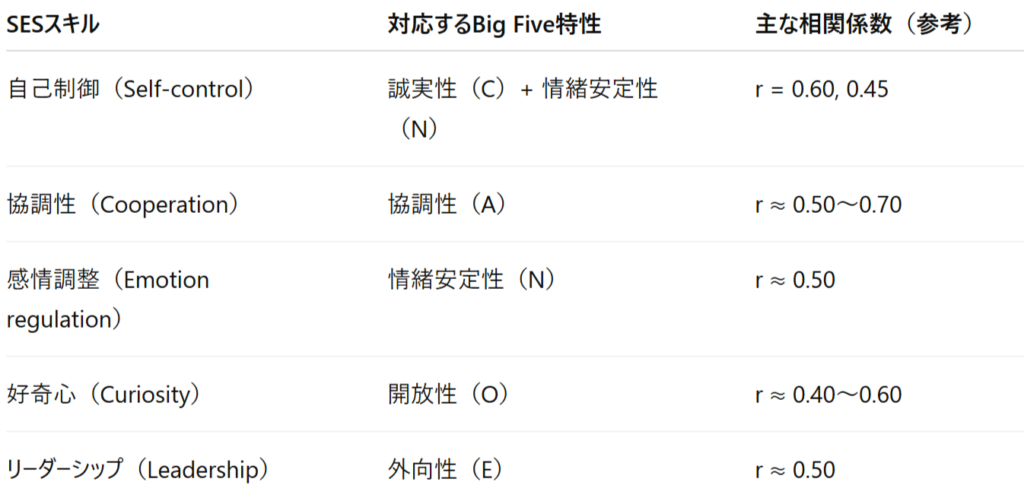
The Big Five personality traits provide a scientifically validated framework for understanding how character shapes behavior, learning, and life outcomes. Personality, broadly defined, refers to the stable patterns of thinking, feeling, and behaving that distinguish one person from another. Decades of cross-cultural research — drawing on responses from tens of thousands of participants across dozens of countries — have consistently revealed that these patterns can be organized into 5 major dimensions. When researchers ask people to describe themselves or others, the same 5 clusters emerge again and again, suggesting they reflect something fundamental about human character.
The 5 dimensions of the Big Five personality traits are:
- Conscientiousness — the tendency to be organized, disciplined, and goal-directed
- Agreeableness — the tendency to be cooperative, empathetic, and trusting toward others
- Extraversion — the tendency to seek out social interaction, activity, and stimulation
- Emotional Stability (low Neuroticism) — the tendency to remain calm and resilient under pressure
- Openness to Experience — the tendency to be curious, creative, and receptive to new ideas
Each of these dimensions is relevant to academic and life success in distinct ways. Importantly, no single trait is universally “best” — different situations call on different strengths. What the research makes clear is that understanding where you sit on each dimension helps you identify both your natural advantages and the areas where deliberate practice can make a real difference. Mapping your personality across these 5 dimensions is one of the most practical tools available for understanding your own potential for growth.
How Personality Traits Influence Academic Performance — Trait by Trait
Conscientiousness and Learning: The Power of Showing Up Every Day
Of all the Big Five traits, conscientiousness shows the most consistent relationship with academic performance, with research indicating a correlation of approximately 0.3 — a meaningful, moderate effect. Conscientiousness is defined as the tendency to plan ahead, follow through on commitments, and regulate one’s own behavior in pursuit of long-term goals. In practical terms, it includes habits like submitting assignments on time, preparing for exams in advance, and maintaining focus even when tasks feel tedious.
Key behaviors associated with high conscientiousness in educational settings include:
- Consistent daily study habits — even just 10 minutes of review per day adds up to 300 minutes of focused practice in a single month
- Proactive preparation — starting assignments well before deadlines, reducing last-minute stress
- Goal-setting and self-monitoring — regularly checking progress toward specific academic targets
Research also suggests that conscientiousness is linked to higher university enrollment rates, not just grade point averages. Crucially, this trait is not fixed at birth — studies indicate that it tends to increase naturally during adulthood, and that educational interventions can accelerate its development even in younger students. Conscientiousness and learning are so tightly linked because small, consistent actions compound over time into large academic advantages.
Agreeableness: The Foundation for Collaborative Learning
Agreeableness — the tendency toward empathy, cooperation, and trust — supports the kind of collaborative environment in which students tend to thrive. In group projects, study circles, and classroom discussions, highly agreeable individuals tend to reduce interpersonal conflict, listen actively, and create the psychological safety that allows everyone to contribute. Research has linked agreeableness not just to educational outcomes but to favorable evaluations in workplace settings as well.
In academic contexts, agreeableness tends to manifest as:
- Empathetic engagement — genuinely trying to understand a classmate’s point of view
- Willingness to help — sharing notes, explaining concepts, and supporting peers who are struggling
- Trust-building — fostering the kind of relationships where asking “I don’t understand this” feels safe
It is worth noting, however, that very high agreeableness can occasionally come at a personal cost — people who find it difficult to say no may experience burnout or allow others to take advantage of their generosity. Balance, as always, is key. At moderate-to-high levels, agreeableness provides a social foundation that allows cognitive ability and other character skills to express themselves fully.
Openness to Experience: Curiosity as an Academic Superpower
Openness to experience — the disposition to be curious, imaginative, and receptive to new information — shows a correlation of approximately 0.3 with general knowledge acquisition, suggesting it is a meaningful driver of intellectual growth. Openness is defined as the tendency to seek out novel ideas, appreciate aesthetic experiences, and ask “why?” rather than simply accepting things at face value. Students who score high on this trait tend to read more broadly, explore topics beyond the syllabus, and find learning intrinsically rewarding.
Openness tends to support academic development through behaviors such as:
- Voluntary exploration — looking up a concept that sparked curiosity during a lesson, even when it won’t be on the exam
- Interdisciplinary thinking — connecting ideas from different subjects, which research suggests deepens understanding
- Tolerance of ambiguity — remaining engaged with difficult questions rather than giving up when answers are not immediately obvious
Importantly, curiosity alone is not sufficient — it needs to be paired with the discipline of conscientiousness to translate into academic results. A student who is highly curious but struggles to finish tasks may find their potential unrealized. When openness to experience combines with consistent follow-through, it tends to produce some of the most powerful learning trajectories.
Emotional Stability: Performing Under Pressure
Research indicates a correlation of approximately −0.2 between anxiety (the low end of emotional stability) and academic performance, meaning that students who struggle to regulate their emotions tend to underperform relative to their actual ability. Emotional stability — sometimes described as the opposite of neuroticism — refers to the tendency to remain calm, optimistic, and resilient when faced with stress. In academic settings, this matters most during high-stakes moments: final exams, oral presentations, competitive admissions processes.
Key ways emotional stability influences academic performance include:
- Test performance — students with higher emotional stability are less likely to experience “mind blanks” during exams, allowing their actual knowledge to surface
- Long-term wellbeing — studies suggest that individuals with higher self-concept and emotional stability at age 10 show lower rates of depression at age 25
- Recovery from setbacks — emotionally stable students tend to treat a poor grade as information to act on rather than evidence of personal inadequacy
The encouraging news is that emotional regulation is a trainable skill. Practices such as structured breathing exercises, cognitive reframing, and incremental exposure to challenging situations have all been shown to improve emotional stability over time. Building the capacity to stay composed under pressure may ultimately matter as much as any academic content knowledge.
Extraversion: Social Energy as a Context-Dependent Advantage
Extraversion — the tendency to seek out social interaction, speak up, and take initiative — is associated with leadership roles and certain types of academic engagement, though it is not universally advantageous across all learning styles. Extraverted students tend to participate more actively in class discussions, ask questions more readily, and seek out study groups. Research has linked extraversion to positive performance evaluations in workplaces that reward visibility and interpersonal assertiveness.
In educational settings, extraversion tends to be particularly helpful for:
- Oral presentations and debates — where confidence and expressiveness are directly rewarded
- Group projects — where taking initiative and coordinating team members is valued
- Networking and seeking help — extraverted students may find it easier to approach teachers or professors for guidance
However, it is important to emphasize that introversion is not a disadvantage — it simply calls on a different set of strengths. Introverted students often demonstrate deeper focus, more careful written analysis, and a preference for independent study that can be highly effective. The research does not suggest that quieter students should force themselves to become more outgoing; rather, it suggests that each person benefits from understanding how their social energy style shapes their best learning environment. Extraversion is a context-dependent advantage — one that can be leveraged when recognized, rather than treated as a requirement for success.
Can Personality Traits Be Developed? What the Evidence Says
Temperament as a Starting Point, Not a Destiny
Research consistently shows that while early childhood temperament — things like reactivity, activity level, and sociability — does predict adult personality to a meaningful degree, it is far from a fixed destiny. Temperament refers to the biologically influenced patterns of response that children show from birth. A child who cries frequently, startles easily, or clings to caregivers may grow into a more cautious adult — but the relationship is probabilistic, not deterministic. Family environments, school experiences, and significant relationships all shape how early temperament evolves into mature personality.
This has practical implications. A child labeled “shy” at age 5 has not been assigned a permanent category — they are at the beginning of a developmental journey that many adults reflect on with surprise. Research on personality development across the lifespan indicates that conscientiousness tends to increase naturally during early adulthood, and that emotional stability tends to improve with age. The key insight is that temperament is best understood as a starting point that sets certain tendencies in motion, while lived experience — particularly structured, supportive experience — shapes the final outcome.
How Structured Experiences Build Character Skills
Educational research suggests that specific types of structured experience — particularly those involving shared goals, defined roles, and opportunities for reflection — are effective at building the character skills most closely tied to academic and life success. This is not abstract theory. Studies of early childhood intervention programs have found measurable differences in behavior, academic attainment, and even employment outcomes years after the programs ended. The mechanism appears to be that positive experiences — especially when they involve achieving something difficult — build both specific skills and the self-confidence to take on further challenges.
Experiences that research suggests are particularly valuable for developing character skills include:
- Taking on a meaningful role — such as organizing a class event, leading a study group, or managing a team project — builds conscientiousness and a sense of personal responsibility
- Working toward a shared goal — cooperative tasks that require everyone to contribute develop agreeableness and perspective-taking skills
- Structured reflection — deliberately reviewing what worked and what did not after a project or exam builds metacognitive awareness, which amplifies the effectiveness of all other learning
The presence of a supportive adult — a teacher, mentor, or parent who recognizes effort rather than just outcome — appears to significantly amplify the character-building effect of these experiences. In short, everyday environments are not neutral; they are constantly shaping the character skills that will determine how much of a student’s cognitive potential is actually realized.
Why Targeting Specific Sub-Skills Is More Effective Than Broad Goals
Research suggests that focusing on specific, concrete sub-skills — rather than broad trait labels — leads to more actionable and measurable growth. Telling a student to “be more conscientious” is not particularly useful advice. But telling them to practice writing tomorrow’s to-do list before going to bed, or to set a timer for a 25-minute focused study block, gives them something they can actually do. The OECD’s research framework identifies approximately 15 specific social and emotional skills within the broader Big Five structure, precisely because that level of granularity makes targeted educational support possible.
For example, within conscientiousness alone, a student might identify that their particular weakness is not work ethic but planning ability — they are willing to study hard but don’t know how to organize their time effectively. Addressing planning as a discrete skill, rather than trying to overhaul their entire personality, is both more manageable and more likely to produce results. The practical takeaway is that the path to stronger personality traits and academic success runs through specific, practiced micro-behaviors — not vague intentions to “improve.”
Personality and Academic Success: Actionable Strategies for Students and Parents
Understanding the relationship between personality and academic success is only valuable if it leads to concrete action. Below are evidence-informed strategies organized by personality dimension. Each suggestion includes both the rationale (why it works) and the method (how to practice it).
If You Want to Build Conscientiousness
Conscientiousness is essentially a habit cluster, which means it responds well to behavioral systems. Why it works: Small, repeated behaviors wire neural pathways associated with self-regulation, making disciplined action progressively easier over time. How to practice it: Choose one concrete daily habit — such as writing 3 academic priorities each morning or reviewing notes for 10 minutes before bed. Commit to this single habit for 30 days before adding another. Research on habit formation suggests that specificity (“I will study at 8 pm at my desk”) is far more effective than vague intentions (“I will study more”). Track your streak visually — even a simple paper calendar creates a motivating “don’t break the chain” effect.
If You Want to Leverage Openness to Experience
Students high in openness often have abundant curiosity but struggle to channel it productively. Why it works: Curiosity-driven learning activates deeper encoding in memory because the brain treats intrinsically interesting information as worth retaining. How to practice it: Keep a “curiosity log” — a small notebook where you jot down questions that arise during lessons or reading. At the end of each week, spend 20 minutes exploring one of those questions. This structured curiosity practice ensures that openness translates into actual knowledge gains rather than scattered browsing. For parents, exposing children to a wide variety of books, experiences, and perspectives — without pressure to “master” any of them — tends to strengthen this trait naturally.
If You Want to Strengthen Emotional Stability
Emotional regulation is a trainable skill, not a fixed temperamental feature. Why it works: Chronic anxiety consumes working memory — the mental workspace needed for complex problem-solving — which directly impairs test performance. Reducing anxiety therefore has a direct, measurable effect on academic output. How to practice it: Introduce a brief “grounding routine” before high-stakes tasks: 4 slow breaths, followed by 60 seconds of writing down exactly what you are worried about (externalizing anxiety reduces its cognitive load). For exam preparation, practice “retrieval under mild pressure” — testing yourself with a timer — so that the exam environment feels more familiar and less threatening on the day itself.
If You Want to Develop Agreeableness Without Losing Yourself
Agreeableness can be cultivated, but it requires balance to avoid the trap of over-compliance. Why it works: Perspective-taking — genuinely trying to understand another person’s reasoning — is both a social skill and a cognitive one, and research suggests it improves with deliberate practice. How to practice it: After any group discussion or conflict, take 2 minutes to write down the strongest version of the other person’s argument (even if you disagreed with them). This “steelmanning” practice builds empathy and reasoning simultaneously. At the same time, practice expressing a politely held disagreement at least once per week — healthy agreeableness includes knowing when and how to say no, not just yes.
Frequently Asked Questions
Are personality traits fixed from birth, or can they change?
Research suggests that personality traits are neither fully fixed nor entirely malleable. Early childhood temperament provides a starting point, but traits continue to develop throughout life in response to experiences, relationships, and environments. Conscientiousness, for example, tends to increase during adulthood, and emotional stability typically improves with age. Studies of educational interventions also indicate that targeted programs can strengthen specific character skills — meaning deliberate effort and supportive environments can meaningfully shape personality over time.
How strongly do personality traits predict academic performance compared to IQ?
Both cognitive ability and personality traits contribute to academic performance, and research suggests they work together rather than in competition. IQ tends to show a strong relationship with academic outcomes, but personality traits — particularly conscientiousness — add independent predictive value beyond cognitive ability alone. Studies indicate a correlation of approximately 0.3 between conscientiousness and grades, which is considered a meaningful effect. In practical terms, two students with similar IQ scores can have very different academic outcomes depending on their character skills and study habits.
The OECD’s research framework on social and emotional skills examined data from students in multiple countries and found that social emotional skills are meaningfully linked to a wide range of outcomes — including academic achievement, employment, health, and subjective well-being. The framework organizes these skills around the Big Five personality dimensions and identifies approximately 15 specific sub-skills that schools and families can actively cultivate. The research argues that focusing on character skills education alongside academic content leads to better long-term outcomes for students.
Does being introverted put students at a disadvantage academically?
Research does not support the idea that introversion is academically disadvantageous. While extraversion tends to be associated with leadership roles and certain types of classroom participation, introverted students often demonstrate deeper focus, more careful written analysis, and stronger independent study habits. Academic success depends on a combination of traits, and introverted students who develop strong conscientiousness and openness to experience tend to perform very well. The key is finding the learning environment and study approach that best fits your natural social energy style.
Can low conscientiousness be compensated for by other traits or strategies?
Yes — research suggests that while conscientiousness and academic performance are reliably linked, other factors can partially compensate. High openness to experience (curiosity) can fuel self-directed learning; strong emotional stability reduces performance anxiety; and external structures like study groups, accountability partners, or scheduling apps can provide the organizational scaffolding that low-conscientiousness students struggle to generate internally. Crucially, conscientiousness itself appears to be trainable through consistent habit-building, so it is not a permanent limitation for any student.
What can parents do to support their child’s character development at home?
Research on character skills education points to several home-based practices that tend to be effective. Giving children age-appropriate responsibilities — planning a family activity, managing a small budget, organizing their own study schedule — builds conscientiousness through lived experience. Discussing emotions openly and validating the child’s feelings supports emotional stability. Exposing children to a wide range of books, experiences, and perspectives nurtures openness. Most importantly, praising effort and strategy (“you worked really hard on that”) rather than fixed ability (“you’re so smart”) tends to foster a growth mindset that amplifies all other character development.
Are personality trait assessments like the Big Five reliable enough to act on?
The Big Five personality framework is one of the most extensively researched models in psychology, with consistent findings across cultures and age groups. It is considered scientifically reliable as a general framework. However, any individual assessment result should be treated as a useful starting point for self-reflection rather than a definitive verdict. Scores can shift depending on mood, context, and life stage. The value of a personality assessment lies in the quality of the reflection it prompts — not in treating the output as a fixed label that determines what you can or cannot achieve.
Summary: Personality Traits and Academic Performance Are a Two-Way Street
The picture that emerges from research is both more complex and more hopeful than the old view that academic ability is simply a matter of how smart you are. Personality traits and academic performance are deeply intertwined — conscientiousness shapes study habits, emotional stability determines how well you perform under pressure, openness to experience drives knowledge acquisition, and agreeableness supports the social relationships that make learning easier. None of these traits is fixed. All of them tend to develop in response to experience, environment, and deliberate practice. The OECD’s work on social emotional skills, alongside decades of Big Five research, confirms that character skills education is not a soft add-on to academic learning — it is a core driver of long-term success and well-being.
If this article has prompted you to think differently about your own strengths and growth areas, the natural next step is to get a clearer picture of where you actually stand. Explore your own Big Five profile and discover which of your personality traits are already working in your favor — and which ones, with a little targeted attention, could open up new possibilities for how you learn and grow.