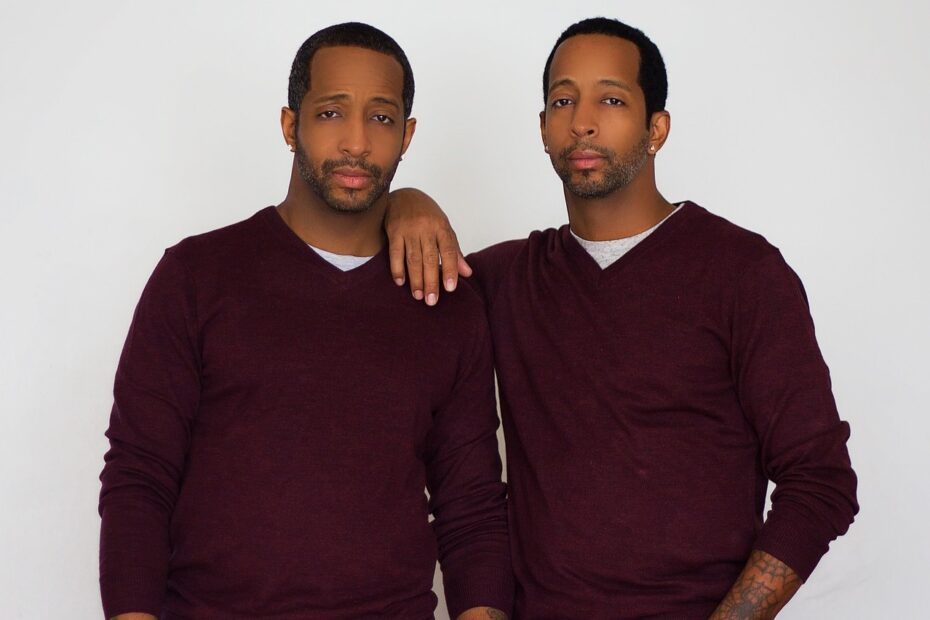
Can a marriage heritability twin study really reveal whether you’re born to wed? It sounds like a bold question, but behavioral genetics research suggests the answer is a surprising yes — at least partially. A landmark study examining thousands of twin pairs found that genetics plays a measurable role in whether a person marries, and even whether they eventually divorce. If you’ve ever wondered why some people seem naturally inclined toward committed relationships while others remain single well into adulthood, the science of nature vs nurture in marriage may offer some genuinely eye-opening answers.
This article breaks down the key findings from peer-reviewed research on genetics and marriage, explains what “heritability” actually means in plain language, and explores how individual personality traits — many of which are partly genetically influenced — shape our romantic lives. Whether you’re curious about your own relationship patterns or simply fascinated by behavioral genetics personality science, read on for a clear, evidence-based overview.
Once again, personality researcher and author of Villain Encyclopedia, Tokiwa (@etokiwa999), will provide the explanation.
※We have developed the HEXACO-JP Personality Assessment! It has more scientific basis than MBTI. Tap below for details.

目次
- 1 What a Marriage Heritability Twin Study Actually Measures
- 2 How Strong Is the Genetic Influence on Getting Married?
- 3 Which Personality Traits Are Linked to a Genetic Predisposition Toward Marriage?
- 4 The Heritability of Divorce: A Separate Story Entirely
- 5 What You Can Do With This Knowledge: Actionable Insights
- 6 Frequently Asked Questions
- 6.1 What does heritability of marriage actually mean?
- 6.2 Does a twin study on relationships prove that marriage is genetic?
- 6.3 Is the heritability of divorce higher or lower than that of marriage?
- 6.4 Why doesn’t shared family environment predict whether someone marries?
- 6.5 Which personality traits are most linked to a genetic predisposition toward marriage?
- 6.6 Can people with a genetic predisposition against marriage change their outcomes?
- 6.7 Do these findings apply equally to women, and across different cultures?
- 7 Summary: What the Marriage Heritability Twin Study Tells Us About Ourselves
What a Marriage Heritability Twin Study Actually Measures
The Logic Behind Twin Research on Relationships
Twin studies are one of the most powerful tools in behavioral genetics for separating the effects of genes from the effects of environment. The core logic is elegant: identical (monozygotic) twins share 100% of their DNA, while fraternal (dizygotic) twins share only about 50% on average — roughly the same as any two siblings. If identical twins are significantly more similar to each other on a given trait than fraternal twins are, that similarity is likely driven by genetic factors rather than shared upbringing.
In the context of twin study relationships, researchers studying marriage and divorce analyzed data from approximately 6,300 twin pairs — a remarkably large sample — drawn from men who served during the Vietnam War era. By comparing how often identical versus fraternal twin pairs both married (or both divorced), scientists could calculate the degree to which genetics, shared family environment, and individual-specific environment each contributed to those outcomes.
Key methodological strengths of this approach include:
- Control for shared upbringing: Both twin types grow up in the same household, so any extra similarity in identical twins points specifically toward genes.
- Large sample size: Around 6,300 pairs provides statistical confidence that the results aren’t due to chance.
- Real-world behavior: Marriage and divorce are concrete life events, not self-reported attitudes, making the data especially reliable.
The field conducting this kind of research is called behavioral genetics — the scientific discipline that investigates how genetic and environmental factors jointly shape human behavior and personality. Twin studies are its most widely used methodology, and their findings on marriage add a genuinely novel dimension to the broader nature vs nurture marriage debate.
How Strong Is the Genetic Influence on Getting Married?
The Heritability of Marriage: Approximately 58%
Research suggests that roughly 58% of the variation in whether a person marries can be attributed to genetic factors — a figure that surprises most people when they first encounter it. “Heritability” is the technical term for this proportion; it describes how much of the difference between individuals on a particular trait is explained by genetic differences rather than environmental ones. A heritability of 58% for marriage is notably high — higher, in fact, than heritability estimates for many personality traits.
The remaining roughly 42% of the variation is attributed to environmental influences. Importantly, however, the research indicates that this environmental component is almost entirely non-shared environment — meaning experiences unique to each individual rather than factors shared within a family (like parental income, religious upbringing, or household rules).
To put this in concrete terms:
- Genetic factors (~58%): Inborn personality traits, temperament, social dispositions, and other heritable characteristics that influence how a person navigates romantic relationships.
- Non-shared environment (~42%): Individual-specific experiences such as unique friendships, personal milestones, or chance encounters — things that happen to one sibling but not another.
- Shared family environment (~0%): Surprisingly, the home environment shared by siblings — parenting style, family values, socioeconomic background — appears to contribute very little to whether a person eventually marries.
This last point is perhaps the most counterintuitive finding of the entire study. Most people assume that growing up in a stable, loving home would make someone more likely to marry, or conversely that a turbulent family background would put them off commitment. The data, however, indicates that shared family environment has almost no detectable influence on marriage likelihood. What matters far more is the individual’s own genetic makeup and their personal, unique life experiences.
Why “Nature Over Nurture” Wins in This Context
When researchers tested several competing statistical models to find the best explanation for the twin data, the model that fit best was one combining genetic influence with non-shared individual environment — with no role for shared family environment at all. This is a strong result in behavioral genetics, and it reinforces a pattern seen across many domains of psychology: siblings raised in the same home often turn out quite differently, and for marriage, this divergence seems to stem from genetic predisposition in relationships rather than from how they were raised.
Practical implications of this finding include:
- Two brothers who grew up in identical circumstances may have very different likelihoods of marrying, simply because of differing temperaments.
- A person’s individual social experiences — the friends they make, the relationships they form independently — matter far more than the family culture they were raised in.
- Blaming (or crediting) one’s parents for one’s relationship patterns may be an oversimplification; individual genetic predisposition likely plays an even larger role.
This doesn’t mean environment is irrelevant — roughly 4 in 10 percentage points of influence still comes from environmental sources. But in the nature vs nurture marriage equation, nature appears to hold the larger share, at least when it comes to the question of whether someone marries at all.
Which Personality Traits Are Linked to a Genetic Predisposition Toward Marriage?
Personality, Behavioral Genetics, and Relationship Readiness
While the twin study on marriage and divorce did not directly measure personality, a wide body of behavioral genetics personality research suggests several key traits are associated with a greater likelihood of forming lasting partnerships. Because personality itself is substantially heritable — with estimates typically ranging from 40% to 60% depending on the trait — it provides a plausible bridge between genetic variation and marriage outcomes.
Research across multiple studies points to at least 3 characteristics that tend to increase a person’s likelihood of marrying:
- Conscientiousness: People who are organized, reliable, and goal-directed tend to build stable, long-term relationships more easily. This trait is among the most heritable of the “Big Five” personality dimensions.
- Sociability / Extraversion: Those who naturally seek out social connections tend to have larger dating pools and more opportunities to meet potential partners. Extraversion has a heritability of roughly 50%.
- Agreeableness: The capacity to cooperate, compromise, and maintain trust with others is strongly associated with relationship satisfaction and longevity — key preconditions for marriage.
On the flip side, traits such as high neuroticism (emotional instability, anxiety, irritability) and low agreeableness have been associated in other research with both lower marriage rates and higher relationship conflict. These traits also have significant genetic components, which helps explain why a genetic predisposition in relationships can operate across generations without being a simple case of copying one’s parents’ behavior.
It’s important to emphasize that genetics is not destiny. Personality traits can be influenced by experience, therapy, and deliberate practice. A person with a naturally introverted or anxious temperament is not fated to remain single — but they may need to be more intentional about building the social and emotional skills that come more easily to others.
The Heritability of Divorce: A Separate Story Entirely
Genetics and Divorce — Around 32% Heritability
The heritability of divorce is estimated at approximately 32% — meaningfully lower than the roughly 58% seen for marriage, and driven by a somewhat different set of influences. The heritability of divorce is a concept that reflects how much genetic variation among individuals accounts for differences in whether they experience marital breakdown. Like marriage, it has a real but not overwhelming genetic component; unlike marriage, the specific traits involved appear to be quite distinct.
The twin study data on divorce revealed several notable patterns:
- Identical twin pairs showed greater concordance for divorce than fraternal pairs, confirming a genetic signal.
- Shared family environment again contributed essentially nothing to divorce risk — the family you grew up in does not predict whether your marriage will survive.
- Emotional dysregulation — difficulty managing anger, anxiety, and distress — emerged from related research as a key heritable factor associated with higher divorce risk.
- Behavioral issues such as alcohol problems and impulsivity, which are themselves partly heritable, also tend to elevate divorce risk.
Research also notes that the period after a divorce is associated with increased risk of depression and behavioral problems — and that these outcomes too have genetic underpinnings, suggesting that the same heritable temperamental vulnerabilities that contribute to marital breakdown may also shape how a person copes with its aftermath.
Why Marriage and Divorce Are Genetically Distinct Outcomes
One of the most striking findings from this line of research is that the genetic and environmental factors driving marriage and divorce show almost no overlap — only about 0.7% of the variance in one outcome is shared with the other. This effectively means that being genetically predisposed to marry does not make you genetically predisposed to divorce, and vice versa. They are, in behavioral genetics terms, largely independent phenomena.
This matters practically for several reasons:
- A highly sociable, conscientious person who marries easily may have a very stable marriage — their traits facilitate both entry into marriage and its maintenance.
- Conversely, someone who marries later or with more difficulty is not automatically at higher risk for divorce once they do commit.
- The skills and traits needed to find a partner differ substantially from those needed to sustain a partnership over years and decades.
This finding challenges a common assumption — that people who marry multiple times must be especially “marriage-oriented” and therefore prone to both marrying and divorcing repeatedly. The data suggests the picture is far more nuanced. Getting married and staying married draw on different psychological resources, and those resources have largely separate genetic and environmental roots.
The Role of Post-Marriage Experiences in Divorce Risk
Because divorce cannot occur without a prior marriage, any analysis of the heritability of divorce is inherently limited to the subset of people who have actually married — a methodological constraint that researchers must carefully account for. This “selection effect” means that the true genetic architecture of divorce risk in the full population is likely somewhat different from what studies can directly measure.
Beyond that methodological nuance, the research points to a set of factors that become relevant specifically within marriage — factors that may not have affected whether someone chose to marry in the first place:
- Emotional communication difficulties: Struggling to express needs, frustrations, or affection clearly tends to erode relationship quality over time.
- Conflict escalation patterns: A tendency toward contempt, criticism, or stonewalling during disagreements — behaviors that are partly temperament-driven — predicts marital breakdown across multiple longitudinal studies.
- Life stressors and coping style: Financial pressure, health crises, and parenting stress interact with a person’s heritable stress-response tendencies in ways that can either strengthen or fracture a marriage.
- Substance use and impulsivity: These well-established divorce risk factors carry their own genetic components, independent of the traits that influenced the original decision to marry.
In short, marriage and divorce represent two distinct chapters with two distinct sets of influences. Understanding that distinction — and recognizing where genetics plays a role in each — can help individuals be more self-aware about both their strengths and their vulnerabilities in long-term relationships.
What You Can Do With This Knowledge: Actionable Insights
Using Behavioral Genetics Insights to Improve Your Relationships
Knowing that genetics and marriage are connected does not mean your romantic future is fixed — it means you have a clearer map of your starting point. Here are 4 evidence-informed ways to work with, rather than against, your natural predispositions:
- Identify your temperament honestly: Are you naturally introverted, easily anxious, or conflict-avoidant? Recognizing these traits without judgment is the first step. Research consistently shows that self-awareness reduces the automatic influence of inborn tendencies on behavior. How to practice: Keep a brief journal of your emotional reactions in social situations for two weeks.
- Invest in non-shared experiences: Since individual-specific environment accounts for roughly 42% of the variance in marriage outcomes, your personal choices matter enormously. Join new social groups, pursue activities that expand your social network, and seek out mentors or therapists who can offer perspectives your family couldn’t. Why it works: These unique experiences are precisely the environmental factor with genuine predictive power.
- Build emotional regulation skills deliberately: Given that emotional dysregulation is one of the key heritable contributors to divorce risk, developing emotion management skills is one of the highest-return investments you can make in your relationship health. How to practice: Mindfulness-based stress reduction (MBSR) and cognitive-behavioral therapy (CBT) both have strong evidence bases for improving emotional regulation.
- Reframe the “nature” findings as information, not verdict: A heritability of 58% for marriage means roughly 42% is not genetic — and even the genetic portion is expressed through behavior that can be shaped. Genetics sets tendencies, not outcomes. Why it works: Research in behavioral genetics consistently shows that even highly heritable traits are responsive to environmental change and deliberate effort.
The goal is not to fight your nature but to understand it well enough to make choices that align with your genuine values — whether that means working on communication skills, expanding your social circle, or seeking support for anxiety or impulsivity that may be putting strain on your relationships.
Frequently Asked Questions
What does heritability of marriage actually mean?
Heritability of marriage refers to the proportion of variation in whether people marry that can be statistically attributed to genetic differences between individuals. A heritability of roughly 58% means that, across a large population, about 58% of the reasons people differ in their likelihood of marrying traces back to genetic factors rather than upbringing or social circumstances. It does not mean your marriage outcome is “programmed” — it means genetics is one significant contributor among several.
Does a twin study on relationships prove that marriage is genetic?
Twin studies provide strong evidence that genetic factors contribute to marriage likelihood, but they do not prove that marriage is purely or deterministically genetic. The methodology works by comparing identical and fraternal twin pairs: when identical twins (who share 100% of their DNA) are more similar in their marriage behavior than fraternal twins (who share ~50%), the difference suggests a genetic influence. Research on approximately 6,300 twin pairs found this pattern clearly, supporting a substantial but not absolute genetic role.
Is the heritability of divorce higher or lower than that of marriage?
Research suggests the heritability of divorce is notably lower than that of marriage — approximately 32% versus roughly 58% for marriage. This difference implies that while genetic factors shape both outcomes, they do so through largely separate pathways. Importantly, the overlap between the genetic influences on marriage and those on divorce appears to be very small (around 0.7%), meaning being genetically predisposed toward marrying does not meaningfully predict whether that marriage will eventually end in divorce.
This is one of the most counterintuitive findings in behavioral genetics research on marriage. The data indicates that the home environment shared by siblings — such as parenting style, family stability, and socioeconomic background — contributes virtually nothing to whether an individual eventually marries. Instead, individual-specific experiences (unique friendships, personal choices, chance events) and genetic predisposition in relationships account for nearly all of the explained variance. Growing up in the same house does not mean two siblings will have similar marriage trajectories.
Which personality traits are most linked to a genetic predisposition toward marriage?
While the landmark twin study on marriage did not directly measure personality, related behavioral genetics personality research suggests that conscientiousness, sociability (extraversion), and agreeableness are the traits most associated with higher marriage likelihood. These characteristics facilitate forming and maintaining close relationships. Conversely, high neuroticism — emotional instability and chronic anxiety — tends to be associated with both lower marriage rates and higher divorce risk. All of these traits carry meaningful heritability estimates, typically between 40% and 60%.
Can people with a genetic predisposition against marriage change their outcomes?
Research strongly suggests yes. Heritability describes population-level statistical patterns, not individual destiny. Since roughly 42% of marriage likelihood is attributable to non-genetic (environmental and experiential) factors, deliberate choices — expanding social networks, developing emotional regulation skills, seeking therapy for anxiety or avoidance patterns — can meaningfully shift outcomes. Behavioral genetics researchers consistently emphasize that genes set tendencies and probabilities, not fixed results. Personal agency, self-awareness, and targeted effort remain genuinely powerful tools.
Do these findings apply equally to women, and across different cultures?
The primary twin study was conducted on male veterans in a specific cultural and historical context, which limits how broadly its exact figures can be generalized. Research from other countries and with female participants tends to show similar directional results — genetics contributing meaningfully to both marriage and divorce likelihood — but the specific heritability percentages may vary. Cultural norms around marriage, legal systems, and gender roles all interact with individual predispositions, meaning the precise numbers should be treated as estimates rather than universal constants.
Summary: What the Marriage Heritability Twin Study Tells Us About Ourselves
The science is clear on one key point: whether you marry, and whether that marriage lasts, is influenced by your genes more than by the family you grew up in. A marriage heritability twin study examining thousands of pairs found that roughly 58% of the variation in who marries is genetic in origin, while the heritability of divorce sits at a lower but still meaningful approximately 32%. Crucially, these two outcomes appear to be genetically independent — the traits that draw someone toward marriage are largely different from the traits that put a marriage at risk of ending.
None of this means your relationship future is written in your DNA. The roughly 40% of influence attributed to individual experience means that personal growth, deliberate skill-building, and unique life choices genuinely matter. What the research offers is not a verdict but a perspective — one that invites greater self-understanding rather than resignation. If you’re curious about how your own personality traits might be shaping your approach to relationships, exploring your behavioral genetics personality profile could be a genuinely revealing place to start.