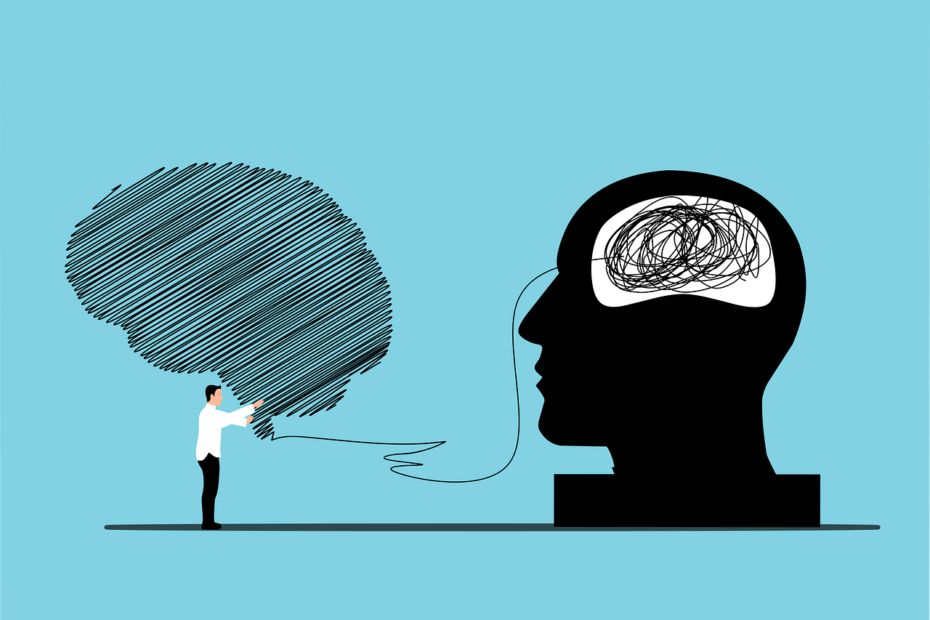
Behavioral activation personality traits are more connected than most people realize — and a growing body of research suggests you can deliberately reshape your own personality by changing your daily behaviors. Rather than waiting for your mindset to shift on its own, behavioral activation offers a structured, science-backed approach to improving core personality traits like conscientiousness and extraversion, while also boosting your physical and emotional wellbeing. The best part? You don’t need a psychology degree or years of therapy to get started.
A study published in Current Psychology titled “Personality Promotion: The Impact of Coaching and Behavioral Activation on Facet Level Personality Change and Health Outcomes” demonstrated that participants who engaged in behavioral activation — combined with coaching — showed measurable improvements in personality traits and health outcomes in as little as 5 weeks. This article breaks down exactly what behavioral activation is, how it works, the specific changes you can expect, and how to apply it to your own life.
Once again, personality researcher and author of Villain Encyclopedia, Tokiwa (@etokiwa999), will provide the explanation.
※We have developed the HEXACO-JP Personality Assessment! It has more scientific basis than MBTI. Tap below for details.

目次
- 1 What Is Behavioral Activation and How Does It Connect to Personality Traits?
- 2 What the Research Actually Found: Behavioral Activation Personality Traits in Practice
- 3 How to Practice Behavioral Activation: A Step-by-Step Guide
- 4 The Health Benefits That Come Alongside Personality Change
- 5 How Coaching Amplifies the Effects of Behavioral Activation
- 6 Frequently Asked Questions
- 6.1 How quickly can behavioral activation change personality traits?
- 6.2 Which personality traits respond best to behavioral activation therapy?
- 6.3 Can I practice behavioral activation on my own without a therapist or coach?
- 6.4 What kinds of daily behaviors are most effective for improving personality traits?
- 6.5 Is behavioral activation the same as behavioral activation therapy for depression?
- 6.6 How does behavioral activation improve energy and overall health?
- 6.7 Do the personality changes from behavioral activation last after the program ends?
- 7 Summary: Small Daily Actions, Lasting Personality Change
What Is Behavioral Activation and How Does It Connect to Personality Traits?
The Core Idea Behind Behavioral Activation
Behavioral activation is a structured psychological method that improves mood, personality, and wellbeing by intentionally increasing healthy, goal-directed behaviors in daily life. Originally developed as a treatment for depression within cognitive behavioral therapy (CBT), behavioral activation therapy has since expanded beyond clinical settings. Research now indicates it can drive meaningful change in personality traits — even in people who are not experiencing depression.
The fundamental logic is straightforward: rather than waiting to “feel like” acting differently, you act first, and the feelings and traits follow. You identify behaviors that align with the kind of person you want to become, record whether you perform them, set concrete goals, and hold yourself accountable — often with the help of someone else. This cycle of action, reflection, and adjustment tends to create genuine, lasting shifts in how you think and behave.
Research suggests that even a relatively short intervention — around 5 weeks — can produce statistically significant improvements in key personality facets such as logical thinking and preparation. The 4 core pillars of behavioral activation are:
- Behavior tracking: Logging what you do each day, when you do it, and how it makes you feel
- Goal setting: Defining specific, measurable behavioral targets for each week
- Social support: Reporting progress to a coach, friend, or family member who provides accountability
- Progress review: Checking whether goals were met and adjusting as needed
These pillars work together to create a feedback loop that reinforces positive change. Unlike passive approaches to self-improvement, behavioral activation is hands-on and observable — which makes it easier to measure and sustain over time.
How Behavioral Activation Connects to the Big Five Personality Model
Personality traits, in psychological terms, are stable tendencies in how a person thinks, feels, and behaves — and the Big Five model is the most widely accepted framework for understanding them. The 5 dimensions are:
- Conscientiousness: Being organized, reliable, and goal-oriented
- Extraversion: Enjoying social interaction and tending toward positive emotional states
- Agreeableness: Being warm, cooperative, and empathetic toward others
- Neuroticism: Experiencing negative emotions like anxiety and sadness more frequently
- Openness to Experience: Embracing new ideas, creativity, and intellectual curiosity
For a long time, personality was considered largely fixed after early adulthood. However, research now indicates that intentional behavioral interventions can shift Big Five personality change — particularly in conscientiousness. Studies show that planning, executing, and reviewing behaviors directly exercises the mental habits that conscientiousness is made of. Behavioral activation, in essence, is a training ground for your personality.
What the Research Actually Found: Behavioral Activation Personality Traits in Practice
Conscientiousness: The Trait Most Responsive to Behavioral Intervention
Of all the Big Five traits, conscientiousness showed the most consistent and significant improvement through behavioral activation — with specific facets like logical thinking and preparedness improving measurably within 5 weeks. This makes intuitive sense: conscientiousness is defined by orderliness, diligence, and planning — the very skills that behavioral activation directly trains.
In the research study, participants worked through a structured program that asked them to set weekly behavioral goals, track their completion on a daily checklist, and review results with a coach. Two conscientiousness facets showed clear improvement:
- Logical thinking: Average scores rose from approximately 4.47 to 5.70, reflecting a more fact-based, structured approach to decision-making
- Preparedness: Average scores improved from approximately 7.37 to 8.04, indicating that participants became more proactive about organizing what they needed before taking action
Why does planning behavior improve these traits? Because conscientiousness is not just a fixed internal state — it is partly a set of practiced habits. When you repeatedly plan your actions, execute them, and check the results, you are literally rehearsing the mental patterns that define a conscientious person. Over time, those patterns become more automatic and feel more natural. Personality traits improvement, in this sense, is a byproduct of consistent behavioral practice.
Extraversion and Neuroticism: Secondary but Meaningful Shifts
Beyond conscientiousness, research indicates that behavioral activation also tends to promote extraversion and reduce the negative emotional impact associated with neuroticism. These changes may seem surprising — after all, behavioral activation doesn’t tell you to “be more social” or “stop being anxious.” But the mechanism is indirect and powerful.
When you structure activities that involve interacting with others — whether that’s calling a friend, joining a group, or working on a collaborative goal — you are practicing extraverted behavior. Research suggests that repeatedly engaging in socially oriented behaviors tends to gradually shift a person’s baseline comfort with social interaction. Similarly, completing planned actions and seeing measurable progress tends to reduce the kind of helplessness and rumination that fuels neuroticism.
- Extraversion gains: Increased comfort with social activity and a more positive baseline emotional tone
- Neuroticism reduction: Lower emotional reactivity, reduced anxiety-driven avoidance, and greater psychological flexibility
- Agreeableness effects: Some studies also report modest improvements in warmth and cooperation, likely as a result of increased social engagement
It’s important to note that these changes tend to be gradual and are more pronounced in individuals who complete the full program consistently. They are not guaranteed outcomes for everyone, but the pattern across studies is encouraging for anyone interested in behavioral intervention wellbeing.
How to Practice Behavioral Activation: A Step-by-Step Guide
Step 1 — Track Your Current Behaviors
The first and most essential step in behavioral activation is creating an honest record of what you actually do each day. This is not about judgment — it’s about awareness. Many people discover, once they start tracking, that their actual daily habits look quite different from what they imagined. You can use a notebook, a phone app, or a simple spreadsheet. The format matters far less than the consistency.
For each entry, note 3 things:
- What you did: The specific activity or behavior
- When you did it: The time of day and how long it lasted
- How you felt: A brief emotional check-in (e.g., energized, anxious, satisfied, bored)
Over the course of 1 to 2 weeks, patterns will emerge. You’ll likely notice that certain behaviors consistently boost your mood and energy, while others leave you feeling drained or stuck. This baseline data becomes the foundation for everything that follows. In the research study, participants completed daily checklists marking which target behaviors they had and hadn’t completed — a simple but highly effective accountability tool.
Step 2 — Identify Healthy Behaviors Worth Increasing
Once you have a behavioral baseline, the next step is identifying which positive behaviors you want to cultivate — ideally ones that align with the personality traits you’d like to strengthen. In the research, participants were given a reference list of evidence-supported healthy behaviors and asked to select those that felt personally meaningful and achievable. This is a crucial element: behavioral activation works best when the chosen behaviors feel relevant to your own values and goals, not just imposed from outside.
Behaviors that research consistently links to personality traits improvement and daily habits tend to fall into 3 broad categories:
- Physical activity: Exercise, walking, stretching, or any movement-based habit — strongly associated with energy, mood, and reduced neuroticism
- Learning and creative pursuits: Reading, writing, problem-solving, or creative hobbies — associated with conscientiousness and openness to experience
- Social engagement: Conversations with friends or colleagues, group activities, or helping others — associated with extraversion and agreeableness
Choose behaviors from areas where you want to grow. If you’re working on conscientiousness, prioritize planning and learning behaviors. If extraversion is your goal, prioritize social and community-based activities.
Step 3 — Set Specific, Measurable Goals
Vague intentions rarely lead to real behavioral change — specificity is what makes the difference. Rather than telling yourself “I’ll exercise more,” commit to something like “I will walk for 20 minutes every Monday, Wednesday, and Friday before dinner.” The clearer the goal, the easier it is to know whether you’ve achieved it — and that clarity creates accountability.
In the research study, participants set new goals each week, which helped keep motivation fresh and allowed for gradual difficulty increases. Consider structuring your goals around 3 criteria:
- Specific content: What exactly will you do?
- Clear success criteria: How will you know you’ve completed it?
- A defined time window: When will you do it, and by when does it count as done?
It also helps to attach a small reward to completing each goal — not necessarily something extravagant, but something that reinforces the feeling of success. Research suggests that self-reward is a meaningful component of sustained behavioral motivation. Even something as simple as acknowledging your own achievement out loud can activate the brain’s reward system and make you more likely to repeat the behavior.
Step 4 — Arrange Behaviors by Difficulty and Build Gradually
One of the most effective structural features of behavioral activation is the deliberate sequencing of behaviors from easiest to most challenging — a principle that prevents early discouragement and builds momentum over time. In the research intervention, participants ranked their chosen behaviors on a difficulty scale from 1 to 15, beginning with the most accessible and working toward the most challenging over the course of the program.
This graduated approach works for 3 practical reasons:
- Early wins build confidence: Successfully completing easier behaviors creates a sense of self-efficacy that carries forward into harder tasks
- Habit formation takes time: Starting small allows behaviors to become automatic before you raise the difficulty level
- Reduced dropout risk: People who begin with realistic challenges are far less likely to abandon the program when things get harder
A practical approach: begin your first week with 2 or 3 behaviors that feel genuinely manageable — not embarrassingly easy, but not stressful either. Add 1 new or slightly harder behavior each week. By week 5 or 6, you’ll find yourself doing things that would have felt daunting at the start.
Step 5 — Visualize Progress and Maintain Accountability
Making your progress visible — through charts, graphs, or simple tally marks — is a surprisingly powerful tool for maintaining motivation and identifying where you might be stalling. When you can see that you completed a target behavior 18 times last month compared to 9 times the month before, that visual feedback reinforces the identity shift you’re working toward: you are becoming someone who does these things.
Research participants in the study tracked their completion rates over time, which served both as a motivational tool and a diagnostic one. When progress slowed, the visual record made it easy to identify which specific behaviors were being skipped and why. Consider tracking:
- Completion rate per behavior: What percentage of the time are you actually doing it?
- Weekly trend: Is your overall completion rate going up, staying flat, or declining?
- Mood correlation: Do weeks with higher completion tend to coincide with better emotional states?
Additionally, sharing your progress with at least 1 other person — whether a coach, a trusted friend, or an online community — significantly improves follow-through. Social accountability is one of the most robust behavioral intervention tools across psychology research.
The Health Benefits That Come Alongside Personality Change
Increased Energy and Vitality
One of the most consistently reported benefits of behavioral activation is a noticeable increase in energy — a change that tends to reinforce the positive behavior cycle even further. In the research study, participants’ average energy scores rose from approximately 50.56 to 56.48 over the course of the intervention. This kind of energy increase is not just about feeling less tired — it tends to translate into greater initiative, more consistent follow-through on goals, and a stronger sense of personal agency.
The mechanism here is partly physiological (increased physical activity raises energy) and partly psychological (a sense of progress and accomplishment reduces mental fatigue). When you complete a planned behavior, your brain interprets this as evidence that you are capable and in control — which itself tends to feel energizing. Over time, this creates an upward spiral: more energy leads to more activity, which leads to more achievement, which leads to more energy.
- Reduced fatigue: Less time spent in passive, low-stimulation activities associated with low mood
- Greater initiative: Increased tendency to start tasks without waiting to “feel ready”
- Improved concentration: Higher engagement with structured activities tends to strengthen attention
Reduced Emotional Limitations and Greater Psychological Freedom
Research also indicates that behavioral activation significantly reduces the extent to which emotional difficulties interfere with daily functioning — a finding with major implications for quality of life. In the study, scores measuring how much emotional problems limited daily activities improved from approximately 60.49 to 75.31 — a substantial jump reflecting real-world gains in psychological freedom.
When emotional challenges — anxiety, low mood, irritability — no longer dominate your decision-making, you’re able to show up more fully in your work, relationships, and personal pursuits. This isn’t about suppressing emotions; it’s about developing the behavioral confidence to act even when emotions are difficult. Over time, this tends to reduce the emotional problems themselves, because avoidance (the primary driver of anxiety and depression) is being replaced by approach behavior.
- Lower anxiety-driven avoidance: You engage with situations you previously avoided
- Stronger self-esteem: Each completed goal reinforces a sense of capability
- Expanded behavioral range: You become willing to try more things, which enriches daily life
How Coaching Amplifies the Effects of Behavioral Activation
When behavioral activation is paired with even a basic coaching structure, the results tend to be significantly stronger than either approach alone. Coaching, in this context, does not require a licensed therapist or expensive professional — it can be a structured conversation with a mentor, a friend, or even a self-directed journaling practice. The key elements are self-reflection, structured planning, and external feedback.
In the research, the coaching and behavioral activation program followed a 12-week structure with the following overall sequence:
- Identify target traits: Choose which personality characteristics you most want to develop (e.g., conscientiousness, extraversion)
- Learn associated behaviors: Understand what specific daily actions tend to strengthen those traits
- Set and execute weekly goals: Commit to concrete behavioral targets and track completion
- Review with an accountability partner: Share results and receive feedback — this is where coaching adds the most unique value
The role of the coaching element is to make the process intentional rather than accidental. Without some structure for reflection and feedback, behavioral change tends to drift over time. With it, the process becomes self-reinforcing. Research suggests that participants who received coaching showed larger and more consistent personality gains compared to those who engaged in behavioral activation without structured support. Intentional behavior change, when guided, tends to produce faster and more durable results.
Frequently Asked Questions
How quickly can behavioral activation change personality traits?
Research suggests that measurable changes in personality facets — particularly conscientiousness-related traits like logical thinking and preparedness — can appear in as little as 5 weeks of consistent practice. Broader changes, such as shifts in extraversion or reductions in neuroticism, tend to become more evident over a 12-week program. That said, results vary by individual and depend heavily on how consistently the behavioral goals are practiced and reviewed.
Which personality traits respond best to behavioral activation therapy?
Conscientiousness tends to show the strongest and most reliable improvement through behavioral activation therapy, particularly the sub-traits of logical thinking and preparedness. This is likely because behavioral activation directly trains the planning, execution, and review habits that define conscientious behavior. Extraversion and neuroticism also tend to shift — with extraversion increasing and emotional reactivity decreasing — though these changes may take longer to become noticeable.
Can I practice behavioral activation on my own without a therapist or coach?
Yes — a self-directed version of behavioral activation is absolutely feasible. You can track your behaviors in a journal, set your own weekly goals, and review your progress independently. However, research suggests that having at least one accountability partner — whether a coach, a friend, or a structured online community — tends to produce notably better outcomes. The external feedback loop is one of the key mechanisms through which behavioral activation strengthens its effects on both habits and personality.
What kinds of daily behaviors are most effective for improving personality traits?
Research points to 3 broad categories of high-impact behaviors: physical activity (linked to energy, mood, and reduced neuroticism), learning and creative pursuits (linked to conscientiousness and openness), and social engagement (linked to extraversion and agreeableness). The key is to choose behaviors that feel personally meaningful and align with the specific traits you want to develop — and to start with achievable actions before gradually increasing difficulty over several weeks.
Is behavioral activation the same as behavioral activation therapy for depression?
They share the same core principles but are applied differently. Behavioral activation therapy (BAT) is a clinical treatment for depression that focuses on reducing avoidance and increasing engagement with rewarding activities. The behavioral activation approach discussed in personality research builds on this foundation but applies it to healthy populations with goals around personal growth and trait improvement. Both use behavior tracking, goal-setting, and accountability — but the clinical version typically involves professional guidance and is tailored to symptoms.
How does behavioral activation improve energy and overall health?
Research indicates that behavioral activation tends to raise energy levels through a combination of increased physical activity, reduced avoidance behavior, and the psychological boost of completing planned goals. In one study, average energy scores rose from approximately 50.56 to 56.48 over the intervention period. Emotional wellbeing also improved significantly, with participants reporting that emotional difficulties interfered with daily life far less by the end of the program. These health gains tend to reinforce the personality changes — creating a self-sustaining cycle of improvement.
Do the personality changes from behavioral activation last after the program ends?
Research on the long-term durability of personality changes from behavioral activation is still developing, but the available evidence suggests that changes tend to persist when the underlying behaviors are maintained. Personality traits that improve through behavioral practice are likely to remain stable as long as the behaviors that reinforce them continue. This is why building sustainable habits — rather than completing a time-limited program and stopping — is considered the most important factor for lasting personality traits improvement.
Summary: Small Daily Actions, Lasting Personality Change
The research is clear on something that many people find genuinely surprising: you don’t have to wait for your personality to change before changing your behavior — you change your behavior, and your personality follows. Behavioral activation personality traits are not fixed endpoints but living, malleable tendencies that respond to what you do each day. By tracking your actions, setting specific goals, sequencing behaviors from easy to challenging, and maintaining accountability, you can expect meaningful improvements in conscientiousness, extraversion, and emotional stability — alongside real gains in energy and quality of life — within weeks, not years.
Whether you’re aiming to become more organized, more socially confident, or simply less burdened by emotional reactivity, the tools described here are grounded in actual psychological research and require no special equipment or expertise. The starting point is simpler than you might expect: pick 1 behavior you’ve been avoiding, schedule it for tomorrow, and write down how it goes. That single act is the beginning of intentional behavior change — and potentially, a different version of yourself. Curious about which personality traits you’re currently strongest and weakest in? Exploring your own Big Five profile could be the most illuminating next step on this journey.