The MBTI personality test is one of the most powerful tools available for understanding yourself — and knowing how to use it correctly can make a real difference in your relationships, career, and daily life. Based on decades of psychological research, this free personality assessment categorizes people into 16 distinct types, helping millions uncover their natural strengths, blind spots, and communication styles every year.
But not all personality type quizzes are created equal, and simply getting a result isn’t enough. To truly benefit from the Myers-Briggs test, you need to know how the theory works, where to take a reliable version, how to answer accurately, and — most importantly — how to apply what you learn. This guide covers all of that, drawing on the latest findings in personality psychology.
Once again, personality researcher and author of Villain Encyclopedia, Tokiwa (@etokiwa999), will provide the explanation.
※We have developed the HEXACO-JP Personality Assessment! It has more scientific basis than MBTI. Tap below for details.

目次
- 1 What Is the MBTI Personality Test? The 16 Personalities Framework Explained
- 2 Why Scientific Grounding Matters in a Personality Assessment
- 3 5 Trustworthy Sites to Take a Free MBTI Personality Test
- 4 5 Practical Tips to Get More Accurate MBTI Results
- 5 3 Meaningful Ways to Apply Your MBTI Results in Real Life
- 6 Frequently Asked Questions
- 6.1 What is the MBTI personality test, and how does it work?
- 6.2 Is the MBTI personality test scientifically valid?
- 6.3 What is the most reliable free personality assessment online?
- 6.4 Can my MBTI type change over time?
- 6.5 How should I use my MBTI results in my career?
- 6.6 Why do my MBTI results feel inaccurate?
- 6.7 What is the difference between MBTI and the 16 Personalities test?
- 7 Summary: Turn Your Personality Type Into a Practical Guide for Life
What Is the MBTI Personality Test? The 16 Personalities Framework Explained
The MBTI personality test is widely regarded as the world’s most recognized framework for understanding human personality. Rooted in the theories of Swiss psychiatrist Carl Jung and further developed by Isabel Briggs Myers and her mother Katharine Cook Briggs, the Myers-Briggs test sorts people into 16 personality types based on 4 core psychological dimensions. Research suggests that approximately 2 million people complete the official MBTI assessment every year — a figure that speaks to its enduring relevance.
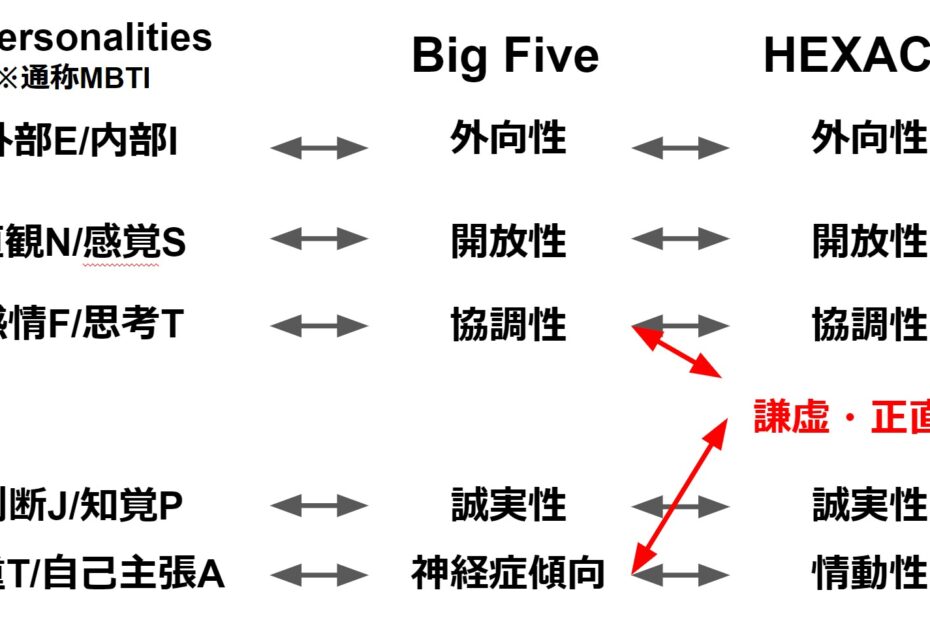
The 4 dimensions used in the MBTI types explained framework are:
- Extraversion (E) vs. Introversion (I) — Where you direct your energy: outward toward people and activities, or inward toward thoughts and reflection.
- Sensing (S) vs. Intuition (N) — How you take in information: through concrete facts and present realities, or through patterns, possibilities, and big-picture thinking.
- Thinking (T) vs. Feeling (F) — How you make decisions: through logic and objective analysis, or through values and consideration of others’ feelings.
- Judging (J) vs. Perceiving (P) — How you relate to the outside world: preferring structure and closure, or flexibility and open-ended exploration.
Each combination of these 4 preferences produces one of the 16 personalities — for example, an ENFP tends to be energetic, imaginative, emotionally attuned, and adaptable, while an ISTJ tends to be methodical, detail-oriented, and reliability-focused. Understanding your type gives you a clearer map of your natural tendencies, values, and areas for growth. The MBTI is not a label — it’s a starting point for deeper self-awareness.
Why Scientific Grounding Matters in a Personality Assessment
Understanding the scientific basis of a personality assessment is what separates meaningful self-discovery from mere entertainment. Research in personality psychology consistently indicates that personality traits have a measurable influence on how people form relationships, handle stress, and make long-term decisions. This is not just theoretical — studies show that certain personality patterns are closely linked to real-world behavioral tendencies, including relationship dynamics.
For instance, research into personality and romantic behavior has produced several notable findings that illustrate how much your type can shape your love life:
- Impulsivity and attachment — Individuals who score high on impulsivity tend to be more than twice as likely to develop dependent patterns in romantic relationships compared to those with lower impulsivity scores.
- Anxious attachment style — Research suggests that an anxious attachment style significantly raises the risk of unhealthy emotional dependency in relationships.
- Self-esteem and obsession — Lower self-esteem tends to correlate with excessive preoccupation with a partner, making it harder to maintain a balanced relationship dynamic.
- “Mania” love style — A possessive, obsessive approach to love (sometimes called the “mania” style) has been linked to dependency-prone relationship patterns.
- Early attachment experiences — The quality of emotional bonds formed in childhood tends to shape adult romantic behavior in measurable ways.
One particularly revealing data point: approximately 73% of individuals who display dependent romantic behavior also show signs of an insecure attachment style. These insights underscore a crucial point — a well-designed free personality assessment isn’t just a fun quiz. When grounded in real psychology, it can serve as a meaningful guide to understanding why you relate to others the way you do, and how to build healthier connections going forward.
5 Trustworthy Sites to Take a Free MBTI Personality Test
Choosing a high-quality, reliable platform is the first step toward getting MBTI results that actually mean something. Not every personality type quiz online is equal — the best ones are backed by psychological theory, use at least 60 questions, and provide detailed explanations of your results. Here are 5 widely respected options worth considering:
- 16Personalities (16personalities.com) — The most widely used free personality assessment in the world, with a clean interface and comprehensive result breakdowns covering career, relationships, and strengths.
- Truity — Developed with input from psychologists, this platform offers a high-accuracy Myers-Briggs test with nuanced scoring across all 4 dimensions.
- HumanMetrics — Closely aligned with the original Jungian theory that underpins MBTI, making it a strong choice for those interested in the theoretical roots.
- Personality Perfect — Provides an especially detailed MBTI results meaning section, helping users understand not just their type label but what it implies in practice.
- TypeFinder by Truity — Uniquely combines personality typing with career aptitude analysis, making it especially useful for professional self-exploration.
As a general rule, a reliable assessment takes between 15 and 20 minutes to complete. Tests that finish in under 5 minutes are likely too short to capture meaningful nuance. When taking any of these, answer based on your gut reaction — overthinking each question tends to push responses toward your idealized self rather than your actual self, which can skew your results.
5 Practical Tips to Get More Accurate MBTI Results
The accuracy of your MBTI results depends heavily on how you approach the test — not just which platform you use. Many people unconsciously answer as their “ideal self” or the person they think they should be, rather than who they actually are. This is one of the most common reasons people feel their results don’t quite fit. The following 5 strategies can significantly improve result reliability:
- Choose a distraction-free environment — Notifications, background noise, and time pressure all reduce the quality of your responses. Find a quiet moment and give yourself space to reflect.
- Answer as you are, not as you wish to be — If a question asks whether you prefer parties or quiet evenings, answer based on actual past behavior — not what sounds more appealing in the moment.
- Avoid the middle ground — Many tests offer a neutral option, but leaning on it too often produces vague results. When in doubt, lean slightly toward whichever option feels more natural, even if neither is a perfect fit.
- Recall specific real-life situations — Instead of answering abstractly, think of a concrete memory (a stressful workday, a recent social event) and let that guide your response.
- Retake the test on different days — If your results vary significantly between attempts, look for the type that appears most consistently. Consistent results across 2–3 sessions tend to be more reliable.
One especially important note: try not to answer based on your professional persona. Many people behave differently at work than at home, and the MBTI is designed to capture your natural tendencies — not the version of yourself you’ve adapted for a specific environment. When you answer authentically, the insights you gain from MBTI types explained become far more useful and actionable.
3 Meaningful Ways to Apply Your MBTI Results in Real Life
Getting your MBTI results is just the beginning — the real value comes from putting those insights into practice. Research suggests that roughly 85% of people who engage seriously with their personality type report making at least one meaningful behavioral change as a result. Here are 3 core areas where MBTI results meaning can translate into genuine life improvements:
- Career direction — Your type can point toward roles that align with your natural strengths. For example, Feeling types often thrive in roles involving empathy and human connection (counseling, teaching, healthcare), while Thinking types may gravitate toward analysis, systems, or strategy-driven work. Use your type as a starting point — not a limit — for career exploration.
- Interpersonal relationships — Understanding the 16 personalities of people around you can dramatically reduce friction. A Perceiving-type partner or colleague may seem disorganized to a Judging type, but knowing the underlying preference helps both sides communicate with more patience and less judgment.
- Personal growth — Every type has recognizable blind spots. Introverts may need to deliberately practice initiating conversations; Thinking types may benefit from checking in on how their words land emotionally. Identifying these tendencies through the Myers-Briggs test gives you a concrete, personalized roadmap for self-improvement.
To illustrate: an Introverted type who learns they genuinely recharge through solitude can stop feeling guilty about needing alone time — and instead protect that time intentionally. A Perceiving type who understands their resistance to rigid schedules can design more flexible systems that still move them forward. These aren’t just personality curiosities — they’re practical insights with everyday applications.

Writer & Supervisor: Eisuke Tokiwa
Personality Psychology Researcher / CEO, SUNBLAZE Inc.
As a child he experienced poverty, domestic abuse, bullying, truancy and dropping out of school — first-hand exposure to a range of social problems. He spent 10 years researching these issues and published Encyclopedia of Villains through Jiyukokuminsha. Since then he has independently researched the determinants of social problems and antisocial behavior (work, education, health, personality, genetics, region, etc.) and has published 2 peer-reviewed journal articles (Frontiers in Psychology, IEEE Access). His goal is to predict the occurrence of social problems. Spiky profile (WAIS-IV).
Expertise: Personality Psychology / Big Five / HEXACO / MBTI / Prediction of Social Problems
Researcher profiles: ORCID / Google Scholar / ResearchGate
Social & Books: X (@etokiwa999) / note / Amazon Author Page
Frequently Asked Questions
What is the MBTI personality test, and how does it work?
The MBTI personality test is a psychological assessment that categorizes people into one of 16 personality types based on 4 dimensions: Extraversion/Introversion, Sensing/Intuition, Thinking/Feeling, and Judging/Perceiving. Each dimension reflects a natural preference in how a person gains energy, processes information, makes decisions, and organizes their life. The combination of these 4 preferences produces a 4-letter type code — such as INFJ or ESTP — which comes with a detailed profile of strengths, challenges, and tendencies.
Is the MBTI personality test scientifically valid?
The scientific community holds mixed views on MBTI validity. Some researchers note that personality traits measured by the test tend to be consistent over time for many individuals, and that the results often align with observable behavior patterns. However, critics point out that test-retest reliability can vary — some people receive different results when retaking the test weeks apart. Most psychologists agree that while MBTI is a useful framework for self-reflection and communication, it should be treated as a tool for insight rather than an absolute scientific measurement of personality.
What is the most reliable free personality assessment online?
Among free options, 16Personalities is the most widely used globally, offering detailed results and accessible explanations. Truity’s TypeFinder is another strong choice, developed with psychologist input and known for its accuracy. For those interested in the original Jungian theory behind MBTI, HumanMetrics stays closest to the foundational framework. Regardless of platform, look for tests with at least 60 questions and clear theoretical backing — these tend to produce more reliable and nuanced results than shorter quizzes.
Can my MBTI type change over time?
Research suggests that core personality preferences tend to remain relatively stable throughout adulthood, though certain dimensions — particularly Judging/Perceiving and Extraversion/Introversion — may shift slightly with major life changes, stress, or personal development. It’s also common for people to feel “in between” on one or more dimensions. If your results change significantly between tests, it may reflect life circumstances at the time of testing rather than a fundamental shift in personality. Taking the test in a calm, reflective state tends to yield the most consistent results.
How should I use my MBTI results in my career?
Your MBTI type can serve as a useful compass for career exploration, though it should be one of several factors you consider — not the only one. For example, Extraverted types often find energy in client-facing or team-based roles, while Introverted types may prefer deep, focused independent work. Thinking types tend to gravitate toward analytical fields, while Feeling types often excel in people-centered professions. Use your type to identify environments where you’re likely to thrive naturally, then look for roles that align with both your personality and your skills.
Why do my MBTI results feel inaccurate?
Inaccurate results often happen when test-takers answer based on their ideal self, their professional persona, or what they think sounds “better” — rather than their actual everyday behavior. Social pressure and self-image can unintentionally bias responses. To improve accuracy, answer as honestly as possible, think of specific real-life situations before responding, avoid defaulting to neutral answers, and consider retaking the test in a different setting. Comparing results across 2–3 attempts often reveals a more reliable pattern.
What is the difference between MBTI and the 16 Personalities test?
The official MBTI (Myers-Briggs Type Indicator) is a proprietary, professionally administered assessment developed by The Myers-Briggs Company, often used in organizational and counseling settings. The popular website 16Personalities offers a free alternative inspired by MBTI theory but uses a slightly modified model that incorporates the Big Five personality traits alongside Jungian dimensions. While both tools produce 16-type results with similar labels, they use different methodologies. The official MBTI tends to be more rigorous; free alternatives like 16Personalities are more accessible and still provide useful self-reflective insights.
Summary: Turn Your Personality Type Into a Practical Guide for Life
The MBTI personality test is far more than a trending quiz — when approached thoughtfully, it’s a research-grounded framework that can illuminate how you think, relate to others, and navigate the world. By understanding the 4 core dimensions, choosing a reliable free personality assessment, answering authentically, and actively applying your MBTI results meaning to real-life decisions, you transform a simple type code into a genuinely useful tool for personal and professional growth. Whether you’re exploring career paths, working through relationship patterns, or simply trying to understand yourself better, your personality type is a meaningful starting point. Discover which of the 16 personalities reflects how you truly think and live — and start using that knowledge to your advantage.