If you’ve ever wondered whether your mood swings are just personality quirks or something more significant, a bipolar disorder self test can be a valuable first step toward understanding yourself better. At the same time, tools like the MBTI personality assessment offer a fascinating window into your behavioral patterns, cognitive style, and emotional tendencies. Understanding both your mental health landscape and your personality type can be genuinely life-changing — and this article will walk you through everything you need to know.
The MBTI (Myers-Briggs Type Indicator) is one of the world’s most recognized personality assessments, classifying people into 16 distinct personality types. Used by approximately 2 million people every year, it helps individuals explore their strengths, relationships, and ideal career paths. In this article, we’ll dive deep into what MBTI is, what the science says, how each of the 16 personalities works, and how to apply these insights practically — without losing sight of your mental well-being.
Once again, personality researcher and author of Villain Encyclopedia, Tokiwa (@etokiwa999), will provide the explanation.
※We have developed the HEXACO-JP Personality Assessment! It has more scientific basis than MBTI. Tap below for details.

目次
- 1 What Is the MBTI Personality Assessment?
- 2 The Science Behind Personality Types — and Why a Bipolar Disorder Self Test Matters Too
- 3 A Complete Guide to the 16 Personalities
- 4 How to Apply MBTI Results to Your Career and Relationships
- 5 Important Limitations of the MBTI Personality Assessment
- 6 Frequently Asked Questions
- 6.1 What is the difference between a bipolar disorder self test and the MBTI personality test?
- 6.2 Can my MBTI type change over time?
- 6.3 Which MBTI type is most common?
- 6.4 Is the MBTI test scientifically valid?
- 6.5 How does knowing your MBTI type help in choosing a career?
- 6.6 Can personality type affect mental health outcomes?
- 6.7 What are the 4 main groups in the MBTI 16 personalities framework?
- 7 Summary: Know Your Personality, Know Your Mind
What Is the MBTI Personality Assessment?
The MBTI, or Myers-Briggs Type Indicator, is a personality framework that classifies human behavior into 16 distinct types based on 4 psychological dimensions. Developed from Carl Jung’s theory of psychological types, it has approximately 80 years of history and remains one of the most widely used personality tools in both corporate and clinical settings.
The 4 core dimensions that the Myers-Briggs test measures are:
- Extraversion (E) vs. Introversion (I): Where you direct your mental energy — outward toward people and activity, or inward toward reflection and solitude.
- Sensing (S) vs. Intuition (N): How you take in information — through concrete, present-focused details, or abstract patterns and future possibilities.
- Thinking (T) vs. Feeling (F): How you make decisions — through logical analysis or personal values and empathy.
- Judging (J) vs. Perceiving (P): How you engage with the outside world — with structure and planning, or flexibility and spontaneity.
The combination of these 4 axes produces 16 personality types — for example, ENTJ (The Commander) or INFP (The Mediator). Each type carries its own unique strengths, blind spots, and communication style. Importantly, no type is superior to another. The MBTI personality assessment is best understood as a tool for self-discovery rather than a definitive label, giving individuals a starting point for deeper self-awareness and interpersonal understanding.
The Science Behind Personality Types — and Why a Bipolar Disorder Self Test Matters Too
Research in personality psychology consistently shows that personality traits have a measurable influence on behavior, relationships, and mental health outcomes. However, it’s equally important to recognize that personality type alone cannot explain everything — factors like mental health conditions, life experiences, and neurological differences also play a significant role.
This is why pairing a personality assessment with mental health awareness tools — such as a bipolar disorder self test — tends to provide a more complete picture. Studies suggest that mood dysregulation can sometimes mimic or mask personality traits, making it harder to interpret test results accurately without considering your broader mental health context.
Key findings from personality psychology research include:
- Personality traits tend to account for roughly 30% of behavioral patterns, with environment and life experiences making up the rest.
- People with higher impulsivity scores tend to form more dependent relationship patterns.
- Those with elevated anxiety tendencies are more likely to develop emotional attachment difficulties.
- Low self-esteem is frequently associated with unhealthy relational dynamics, regardless of MBTI type.
- Attachment styles — deeply shaped by early childhood experiences — can significantly influence how each personality type expresses itself in adulthood.
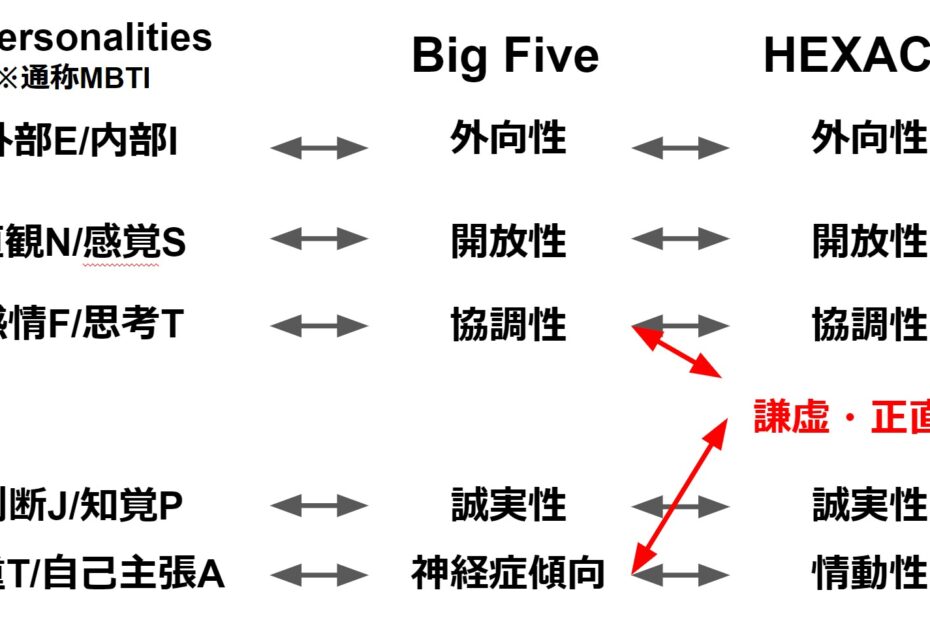
Modern personality science also highlights models like the Big Five (OCEAN) and HEXACO as having strong empirical foundations. These models complement the MBTI by providing additional nuance. The key takeaway: treat any personality or psychological assessment as a living, flexible snapshot — not a permanent verdict. Your traits, and even your mental health, can evolve with time, awareness, and support.
A Complete Guide to the 16 Personalities
The 16 MBTI personality types are organized into 4 broad groups, each sharing core values and cognitive tendencies. Understanding which group you belong to can make it easier to leverage your natural strengths and navigate your blind spots.
The Analysts (NT Types) — Logical and Visionary
Analyst types tend to prioritize logic, strategic thinking, and intellectual curiosity above all else. They are often drawn to systems, theories, and long-term planning. The 4 types in this group are:
- INTJ (The Architect): Highly independent, future-oriented, and strategically minded — they tend to excel at designing complex long-term plans.
- INTP (The Logician): Deep thinkers who love exploring theoretical frameworks; they are often most energized when solving abstract problems.
- ENTJ (The Commander): Natural leaders who drive efficiency and results; they tend to thrive in high-responsibility, fast-paced roles.
- ENTP (The Debater): Creative and quick-witted, they enjoy challenging assumptions and generating innovative ideas.
The Diplomats (NF Types) — Empathetic and Idealistic
Diplomat types tend to be driven by values, human connection, and a desire to make a meaningful difference. They often excel in roles that require empathy and vision:
- INFJ (The Advocate): Rare and deeply insightful, they are often drawn to helping others through one-on-one mentorship or counseling.
- INFP (The Mediator): Quietly passionate idealists who act in strong alignment with their personal values.
- ENFJ (The Protagonist): Charismatic and inspiring, they tend to naturally motivate and uplift those around them.
- ENFP (The Campaigner): Enthusiastic and creative, they are energized by exploring possibilities and connecting with diverse people.
The Sentinels (SJ Types) — Reliable and Structured
Sentinel types tend to value stability, responsibility, and tradition. They are often the backbone of organizations and communities, bringing consistency and care:
- ISTJ (The Logistician): Methodical and dependable — they tend to excel at seeing long-term projects through to completion.
- ISFJ (The Defender): Warm and devoted, they often go above and beyond to protect and support those they care about.
- ESTJ (The Executive): Decisive and organized, they naturally gravitate toward management and operational leadership roles.
- ESFJ (The Consul): Socially attuned and caring, they tend to prioritize group harmony and others’ well-being.
The Explorers (SP Types) — Flexible and Action-Oriented
Explorer types tend to live in the present moment, adapting quickly and responding skillfully to real-time challenges. They are often at their best when given freedom and hands-on experience:
- ISTP (The Virtuoso): Calm and analytical under pressure, they tend to excel at practical troubleshooting and mechanical problem-solving.
- ISFP (The Adventurer): Gentle and artistic, they bring a unique aesthetic sensitivity and warmth to everything they create.
- ESTP (The Entrepreneur): Bold and perceptive, they tend to thrive in dynamic, high-energy environments where quick decisions matter.
- ESFP (The Entertainer): Spontaneous and charming, they have a natural talent for creating joy and energy in group settings.
It’s worth noting that the 16 personality types are not evenly distributed in the population. For instance, research suggests ISFJ (The Defender) is among the most common types at roughly 13% of the population, while INTJ (The Architect) is one of the rarest at approximately 2%. However, population frequency says nothing about value — every single type brings something indispensable to teams, communities, and relationships.
How to Apply MBTI Results to Your Career and Relationships
Understanding your MBTI personality type becomes truly powerful when you translate it into concrete, everyday action — especially in choosing the right career and building healthier relationships. Rather than treating your type as a box to fit into, think of it as a map that highlights where your energy flows most naturally.
Matching Personality Type to Career Paths
Research into personality type careers suggests that aligning your work environment with your natural tendencies tends to reduce stress and increase long-term job satisfaction. General career tendencies by group include:
- Analyst types (NT): Often thrive as researchers, data scientists, engineers, consultants, or strategists — roles that reward independent thinking and complexity.
- Diplomat types (NF): Tend to flourish as counselors, social workers, teachers, writers, or nonprofit leaders — roles centered on meaning and human impact.
- Sentinel types (SJ): Frequently excel in management, accounting, nursing, law enforcement, or administration — roles that reward precision and reliability.
- Explorer types (SP): Often shine in sales, performance arts, culinary arts, emergency response, or entrepreneurship — roles that demand agility and real-world results.
Using MBTI to Improve Relationships and Communication
One of the most practical applications of MBTI relationships research is learning to communicate in ways that genuinely resonate with the other person’s type. Research suggests that type-aware communication can meaningfully reduce misunderstandings in both personal and professional settings:
- With introverts: Give them time and space to process before expecting a response — pushing for immediate answers tends to create unnecessary pressure.
- With extroverts: Engage actively and openly; they tend to think out loud, so lively back-and-forth conversation helps them clarify their own ideas.
- With sensing types: Be specific, factual, and grounded — abstract ideas without concrete examples can feel frustrating or unreliable to them.
- With intuitive types: Focus on the big picture, underlying meaning, and future potential — they tend to lose interest in pure detail without a larger context.
In team settings, diversity of type is often an asset. For example, brainstorming phases tend to benefit from intuitive types who generate novel possibilities, while execution phases often benefit from sensing types who keep the work grounded and realistic. MBTI works best not as a way to judge people, but as a shared language for collaboration and empathy.
Important Limitations of the MBTI Personality Assessment
While the MBTI personality assessment is a genuinely useful tool for self-reflection, it has real limitations that every user should understand before drawing conclusions. Treating test results as absolute or permanent can lead to unhelpful stereotyping — both of yourself and of others.
Key limitations to keep in mind include:
- Scientific debate: The empirical reliability and validity of MBTI has been questioned by some researchers, who argue that models like the Big Five have stronger scientific backing.
- Binary classifications: Placing complex human traits into binary either/or categories (e.g., Thinking vs. Feeling) oversimplifies a spectrum of behavior — most people fall somewhere in the middle.
- Cultural bias: MBTI was developed in a Western cultural context, and its assumptions may not translate equally well across all cultures and value systems.
- State vs. trait: Your answers on any given day may reflect your current mood, stress level, or life circumstances — not a stable, lifelong personality pattern.
- Oversimplification: Reducing the infinite complexity of a human being to 1 of 16 personality types will always miss important nuance.
Perhaps most importantly: never use MBTI type labels to make sweeping judgments about others. Saying “they’re an INTJ, so they’re cold” or “I’m an ISFP, so I can’t handle leadership” does more harm than good. Use the framework as a starting point for curiosity, not a finishing line for judgment. The true value of any personality or psychological assessment — including a mental health screening — lies in the self-reflection it encourages, not the category it assigns.

Writer & Supervisor: Eisuke Tokiwa
Personality Psychology Researcher / CEO, SUNBLAZE Inc.
As a child he experienced poverty, domestic abuse, bullying, truancy and dropping out of school — first-hand exposure to a range of social problems. He spent 10 years researching these issues and published Encyclopedia of Villains through Jiyukokuminsha. Since then he has independently researched the determinants of social problems and antisocial behavior (work, education, health, personality, genetics, region, etc.) and has published 2 peer-reviewed journal articles (Frontiers in Psychology, IEEE Access). His goal is to predict the occurrence of social problems. Spiky profile (WAIS-IV).
Expertise: Personality Psychology / Big Five / HEXACO / MBTI / Prediction of Social Problems
Researcher profiles: ORCID / Google Scholar / ResearchGate
Social & Books: X (@etokiwa999) / note / Amazon Author Page
Frequently Asked Questions
What is the difference between a bipolar disorder self test and the MBTI personality test?
A bipolar disorder self test is a mental health screening tool designed to identify mood patterns — such as episodes of elevated energy, reduced need for sleep, or periods of depression — that may indicate bipolar disorder. The MBTI, by contrast, is a personality assessment that explores stable behavioral preferences unrelated to mental health diagnosis. While both involve self-reflection, they serve fundamentally different purposes. A bipolar disorder self test should always be followed up with a qualified mental health professional, whereas MBTI results are typically used for personal or professional development.
Can my MBTI type change over time?
Research suggests that while core personality tendencies tend to be relatively stable, MBTI results can shift over time due to significant life experiences, personal growth, stress, or major life transitions. Studies indicate that roughly 50% of people receive a different result when retested just a few weeks later, highlighting the importance of treating results as directional rather than definitive. Factors such as age, cultural context, and even your current emotional state on the day of the test can all influence your responses.
Which MBTI type is most common?
Research suggests that ISFJ (The Defender) is among the most frequently occurring personality types, with estimates placing this type at approximately 13% of the general population. On the rarer end, INTJ (The Architect) and ENTJ (The Commander) each tend to represent around 2% of the population. However, it’s important to remember that rarity does not equate to superiority, and commonality does not indicate ordinariness. Every MBTI type brings a unique and valuable set of strengths to teams, relationships, and communities.
Is the MBTI test scientifically valid?
The scientific community has ongoing debates about MBTI’s validity and reliability. Some critics argue that its binary classification system oversimplifies personality, and that models like the Big Five (OCEAN) have stronger empirical support. That said, many practitioners find MBTI highly useful as a practical framework for self-understanding and communication improvement, even if it lacks the rigorous measurement precision of purely academic personality models. It’s best understood as a reflective tool rather than a clinical diagnostic instrument.
How does knowing your MBTI type help in choosing a career?
Understanding your MBTI personality type tends to help you identify work environments and roles that align with your natural energy and decision-making style. For example, Analyst types (NT) often thrive in intellectually demanding roles like research or engineering, while Diplomat types (NF) frequently find purpose in people-centered careers like counseling or education. Research into personality type careers suggests that alignment between personality and work environment is associated with higher job satisfaction, lower burnout risk, and stronger long-term career engagement — though individual variation always matters.
Can personality type affect mental health outcomes?
Research in personality psychology suggests that certain traits — such as high neuroticism or low agreeableness — are associated with greater vulnerability to stress, anxiety, and mood disorders. However, personality type alone does not determine mental health. Environmental factors, early attachment experiences, and life events all play important roles. This is precisely why combining personality awareness with mental health screening tools — such as a bipolar disorder self test — offers a more complete picture of your psychological landscape than either tool alone.
What are the 4 main groups in the MBTI 16 personalities framework?
The 16 MBTI personality types are organized into 4 broad groups: Analysts (NT types) — INTJ, INTP, ENTJ, ENTP — who tend to prioritize logic and strategic thinking; Diplomats (NF types) — INFJ, INFP, ENFJ, ENFP — who are driven by empathy and idealism; Sentinels (SJ types) — ISTJ, ISFJ, ESTJ, ESFJ — who value stability and responsibility; and Explorers (SP types) — ISTP, ISFP, ESTP, ESFP — who excel in adaptability and hands-on action. Each group tends to share core values and cognitive approaches, making it easier to identify broad behavioral tendencies.
Summary: Know Your Personality, Know Your Mind
The MBTI personality assessment is a powerful, time-tested framework for understanding how you think, communicate, make decisions, and engage with the world. By exploring which of the 16 personalities resonates with you — and understanding the science and limitations behind the framework — you gain a richer, more compassionate understanding of both yourself and the people around you. Whether you’re navigating personality type careers, improving MBTI relationships, or simply trying to understand why you think differently from those closest to you, this knowledge is genuinely actionable.
At the same time, remember that personality type is only one part of the picture. Your mental health, your history, and your choices all shape who you are. If you’ve noticed persistent mood swings, emotional highs and lows, or patterns that feel outside of your control, taking a bipolar disorder self test could be the first meaningful step toward getting the clarity and support you deserve. True self-knowledge isn’t just about personality — it’s about understanding your whole mind, with honesty and without judgment. Explore what your behavioral patterns might be telling you — about your personality and your well-being.