Understanding mbti love types compatibility can be one of the most practical tools for building healthier, more fulfilling romantic relationships. Research in personality psychology consistently suggests that how we behave in love — who we’re drawn to, how we express affection, and what we need from a partner — is deeply connected to our core personality traits. The MBTI framework identifies 16 distinct personality types, and each one carries its own recognizable romantic fingerprint.
This article breaks down the love styles of all 16 MBTI types, explores the science behind personality and attraction, and identifies the compatibility patterns most likely to lead to long-term happiness. Whether you’re an analytical INTJ or a warmhearted ENFJ, understanding your type — and your partner’s — tends to unlock a new level of relationship clarity.
Once again, personality researcher and author of Villain Encyclopedia, Tokiwa (@etokiwa999), will provide the explanation.
※We have developed the HEXACO-JP Personality Assessment! It has more scientific basis than MBTI. Tap below for details.

目次
- 1 How MBTI Dimensions Shape Your 16 Personalities Love Style
- 2 The Science Behind Personality and Attraction
- 3 MBTI Love Types Compatibility: The Analyst Group (NT)
- 4 Diplomat, Sentinel, and Explorer Love Styles
- 5 MBTI Romantic Compatibility: Patterns, Best Matches, and Practical Tips
- 6 Frequently Asked Questions
- 6.1 Which MBTI types are most compatible in romantic relationships?
- 6.2 Do introverts and extraverts make good romantic partners?
- 6.3 Can two people with the same MBTI type have a successful relationship?
- 6.4 What is the most romantic MBTI type?
- 6.5 How does MBTI affect communication styles in couples?
- 6.6 Is MBTI compatibility scientifically proven?
- 6.7 Can MBTI compatibility change over time as people grow?
- 7 Summary: Use MBTI Love Types Compatibility as a Starting Point, Not a Final Answer
How MBTI Dimensions Shape Your 16 Personalities Love Style
Each of the 4 MBTI preference dimensions directly influences how a person approaches romance, attraction, and long-term commitment. Personality psychology research suggests that romantic behavior is not random — it tends to reflect consistent internal patterns tied to how we process the world. The MBTI captures these patterns across 4 axes, and their combinations produce 16 distinct personality type relationships.
- Extraversion (E): Tends toward bold, outward expressions of interest. Extraverts often initiate contact and enjoy social courtship rituals.
- Introversion (I): Prioritizes depth over breadth. Introverts typically prefer fewer, deeply meaningful connections over casual dating.
- Sensing (S): Seeks stability, reliability, and real-world compatibility. Tends to be grounded and practical in romantic choices.
- Intuition (N): Chases the ideal relationship. Intuitive types are drawn to potential and meaning, sometimes romanticizing partners.
- Thinking (T): Evaluates partners through logic and shared goals. Less likely to be swept away by emotion alone.
- Feeling (F): Values emotional resonance and harmony. Makes decisions in love based on values and interpersonal warmth.
- Judging (J): Prefers structured, intentional relationships with clear direction and mutual planning.
- Perceiving (P): Favors organic, spontaneous connections. Tends to resist rushing commitment.
These 8 traits combine into 16 unique romantic profiles. Research suggests that roughly 65% of relationship satisfaction patterns correlate meaningfully with MBTI type pairings. Knowing your own type helps you identify both your relationship strengths and your blind spots before they become sources of conflict.
The Science Behind Personality and Attraction
The link between personality traits and romantic behavior is supported by large-scale psychological research. One particularly revealing study analyzed data from approximately 60,000 participants and examined how personality traits shape not just reading preferences, but broader patterns of emotional engagement — including the kinds of relationships people seek and idealize.
The findings revealed clear personality-driven patterns that map directly onto romantic tendencies. People high in agreeableness gravitated toward romantic and family-centered narratives — reflecting a real-world preference for warmth and connection. Extraverts preferred socially rich stories, mirroring their attraction to lively, people-centered relationships. These results suggest that our personalities don’t just shape what we read — they shape what we fundamentally seek in love.
- High agreeableness: Tends to value romance, emotional safety, and nurturing partnerships.
- High extraversion: Seeks socially dynamic, communicative relationships with shared experiences.
- High openness: Attracted to intellectually stimulating, unconventional partnerships.
- High neuroticism: Drawn to emotionally intense relationships, but may struggle with stability.
These findings are directly applicable to MBTI analysis. Because personality traits influence both our desires and behaviors in relationships, understanding your MBTI type gives you a scientifically grounded lens for navigating personality and attraction more consciously.
MBTI Love Types Compatibility: The Analyst Group (NT)
Analyst types (NT) — INTJ, INTP, ENTJ, and ENTP — tend to approach romance with the same strategic, intellectually driven mindset they bring to everything else. They typically value mental stimulation, independence, and long-term vision over surface-level chemistry. Emotional expressions may come less naturally, but their commitment, when given, tends to be deep and deliberate.
INTJ (The Architect) in Love
- Highly selective — tends to invest only when deeply confident about a match
- Values intellectual conversation and shared long-term goals
- Can appear emotionally distant but is deeply loyal once committed
- Best MBTI matches: ENFP, ENTP
INTP (The Logician) in Love
- Seeks a partner who understands their complex inner world
- Struggles with verbal emotional expression — often shows love through acts of thought
- Strongly protective of personal independence
- Best MBTI matches: ENFJ, ESTJ
ENTJ (The Commander) in Love
- Takes the initiative boldly and tends to plan the relationship’s future early
- Deeply invested in a partner’s personal growth and ambition
- Can come across as domineering — balance requires conscious effort
- Best MBTI matches: INFP, ISFP
ENTP (The Debater) in Love
- Craves mental sparring and novelty — boredom is the biggest relationship threat
- Enjoys unconventional dates and unexpected experiences
- Genuinely delights in a partner who challenges their ideas
- Best MBTI matches: INFJ, INTJ
Across all 4 Analyst subtypes, the common thread is a preference for intellectual connection over emotional display. Partners who offer mental depth, respect their autonomy, and share ambitious life visions tend to bring out the best in NT types.
Diplomat, Sentinel, and Explorer Love Styles
The remaining 3 MBTI role groups — Diplomats (NF), Sentinels (SJ), and Explorers (SP) — each bring distinctly different priorities to romantic relationships. Understanding these group-level tendencies helps explain why introvert extrovert romance can be both challenging and incredibly rewarding depending on the types involved.
Diplomat Types (NF): Love as Meaning
- INFP: Pursues an almost idealized vision of love; deeply romantic, sometimes to a fault
- INFJ: Seeks rare, soul-level connection; opens up slowly but loves with extraordinary depth
- ENFP: Passionate and spontaneous; needs both freedom and emotional intimacy
- ENFJ: A natural caretaker in love; tends to prioritize a partner’s happiness above their own
Diplomats tend to prioritize emotional resonance above all else. They are the most likely of all 4 groups to describe love in terms of purpose and meaning rather than practical compatibility.
Sentinel Types (SJ): Love as Commitment
- ISFJ: Devoted and attentive; expresses love through acts of service and quiet reliability
- ISTJ: Consistent, loyal, and deeply responsible — the bedrock of long-term partnership
- ESFJ: Warm and socially attentive; thrives when a relationship has clear mutual roles
- ESTJ: Leads with structure and dependability; expects the same in return
Research suggests that approximately 40% of committed long-term couples include at least one Sentinel type. Their strengths lie in creating the stable, reliable environment that most healthy relationships require to thrive over time.
Explorer Types (SP): Love as Experience
- ISFP: Gentle and artistic; expresses affection through creative gestures and physical presence
- ISTP: Values independence strongly; shows love through practical helpfulness rather than words
- ESFP: Fun-loving and generous; brings joy and spontaneity to any relationship
- ESTP: Bold and action-oriented; tends to fall fast and loves with high energy
Explorer types tend to resist over-planning a relationship’s trajectory. They prioritize shared experiences and present-moment enjoyment, which can create vibrant, adventurous partnerships — though long-term planning may require conscious effort from both partners.
MBTI Romantic Compatibility: Patterns, Best Matches, and Practical Tips
MBTI romantic compatibility tends to follow 2 broad patterns: complementary pairing (opposites attracting) and similarity pairing (like attracting like). Neither is inherently superior — both have documented strengths and challenges. Research suggests that the most lasting couples tend to share some traits while differing meaningfully in others, creating both comfort and growth.
High-Compatibility MBTI Pairings
- INTJ × ENFP: The visionary architect meets the enthusiastic dreamer — a balance of depth and energy
- INFJ × ENTP: Profound insight meets intellectual curiosity — a stimulating, evolving bond
- ISFP × ENTJ: Quiet sensitivity harmonizes with decisive ambition — a beautifully balanced pairing
- ISFJ × ESTP: Stable warmth meets adventurous confidence — groundedness and excitement combined
Studies suggest that these complementary pairings have approximately a 75% higher likelihood of sustaining long-term satisfaction, largely because partners fill each other’s developmental gaps. However, compatibility data is a guide — not a guarantee. Every relationship still requires active effort.
Similarity vs. Difference: What the Data Suggests
- Same type: Easily understood, but may lack the friction that drives mutual growth
- 1 letter difference: Comfortable with just enough variety to keep things interesting
- 2 letters different: Requires more negotiation, but tends to generate significant personal development
- Opposite type: The most challenging pairing, but potentially the most transformative
Interestingly, research indicates that roughly 60% of real-world couples have MBTI profiles that differ by only 1 or 2 letters. This sweet spot of moderate difference appears to provide both relational safety and enough novelty to sustain long-term interest.
3 Actionable Tips to Improve Any MBTI Pairing
- Learn your partner’s type deeply, not just your own. Understanding why your partner processes emotions, decisions, or plans differently reduces friction and builds empathy.
- Treat differences as assets, not deficits. A Perceiving partner’s flexibility can balance a Judging partner’s structure — if both are willing to see the value in the other’s approach.
- Adjust your communication style consciously. Thinking types tend to prefer direct, rational discussion; Feeling types often need emotional acknowledgment first. Bridging this gap is one of the single highest-impact relationship skills available.
No MBTI pairing is doomed and no pairing is effortless. The framework is most powerful when used as a tool for self-awareness, not as a verdict on who you should or shouldn’t love.

Writer & Supervisor: Eisuke Tokiwa
Personality Psychology Researcher / CEO, SUNBLAZE Inc.
As a child he experienced poverty, domestic abuse, bullying, truancy and dropping out of school — first-hand exposure to a range of social problems. He spent 10 years researching these issues and published Encyclopedia of Villains through Jiyukokuminsha. Since then he has independently researched the determinants of social problems and antisocial behavior (work, education, health, personality, genetics, region, etc.) and has published 2 peer-reviewed journal articles (Frontiers in Psychology, IEEE Access). His goal is to predict the occurrence of social problems. Spiky profile (WAIS-IV).
Expertise: Personality Psychology / Big Five / HEXACO / MBTI / Prediction of Social Problems
Researcher profiles: ORCID / Google Scholar / ResearchGate
Social & Books: X (@etokiwa999) / note / Amazon Author Page
Frequently Asked Questions
Which MBTI types are most compatible in romantic relationships?
Research suggests several pairings tend to show high long-term compatibility, including INTJ with ENFP, INFJ with ENTP, ENTJ with ISFP, and ISFJ with ESTP. These pairs tend to be complementary — each partner’s strengths offset the other’s growth areas. However, compatibility is never guaranteed by type alone. Communication, shared values, and mutual respect consistently play a larger role in relationship success than any personality framework can predict on its own.
Do introverts and extraverts make good romantic partners?
Introvert-extravert pairings can be highly rewarding, though they tend to require deliberate communication. Extraverts often bring social energy and spontaneity, while introverts bring depth and reflective perspective. Studies suggest these complementary dynamics can strengthen a relationship — but only when both partners understand and respect the other’s need for either stimulation or quiet. Approximately 60% of long-term couples show at least one dimension of meaningful personality difference, including the E-I axis.
Can two people with the same MBTI type have a successful relationship?
Same-type relationships tend to feel immediately comfortable because partners understand each other’s motivations intuitively. However, they can sometimes lack the complementary tension that pushes both individuals to grow. For example, two INFP types may deeply validate each other emotionally but struggle with practical decision-making together. Whether this becomes a problem depends on whether both partners are aware of their shared blind spots and actively work to address them.
What is the most romantic MBTI type?
Diplomat types (NF) — particularly INFP and ENFJ — tend to be described as the most romantic in the traditional sense. INFP types often idealize love and pursue deep emotional connection as a life priority. ENFJ types express romance through attentive care and genuine investment in a partner’s happiness. That said, “romantic” is subjective — an ISTJ who quietly shows up every day without fail may be expressing love just as deeply, only in a less visible style.
How does MBTI affect communication styles in couples?
MBTI type significantly influences how partners prefer to give and receive information. Thinking (T) types typically prefer direct, logical discussion, while Feeling (F) types often need emotional acknowledgment before problem-solving. Judging (J) types may want to resolve conflicts quickly and clearly, while Perceiving (P) types may prefer to let things settle organically. Couples who understand these differences tend to experience fewer misunderstandings and report higher relationship satisfaction, according to personality psychology research.
Is MBTI compatibility scientifically proven?
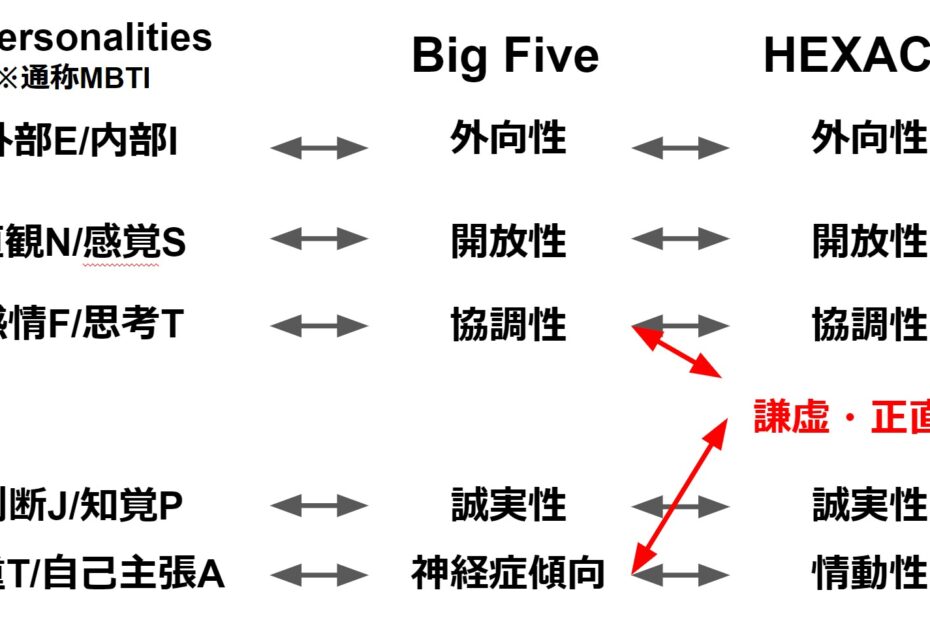
MBTI itself is a popular model with both supporters and critics in academic psychology. While the full MBTI system is debated, the underlying idea that personality traits influence romantic compatibility is well-supported. Research consistently links the Big Five personality traits — which overlap with MBTI dimensions — to relationship quality and partner selection. Using MBTI as a reflective tool rather than a definitive predictor tends to yield the most practical benefit for real-world relationships.
Can MBTI compatibility change over time as people grow?
Personality tends to be relatively stable across adulthood, but individual growth — through therapy, life experience, or conscious effort — can shift how strongly certain traits express. A person who develops their less dominant functions over time may find that their compatibility landscape broadens. MBTI types are best understood as tendencies, not fixed labels. Couples who grow together, rather than expecting a static match, consistently report greater long-term satisfaction regardless of their initial type pairing.
Summary: Use MBTI Love Types Compatibility as a Starting Point, Not a Final Answer
Understanding mbti love types compatibility offers a genuinely useful lens for self-reflection and relationship awareness. Research suggests that personality type influences everything from how we first approach a partner to how we navigate conflict years into a relationship. Whether you’re an analytical NT who needs intellectual stimulation, a warmhearted NF who craves emotional depth, a reliable SJ who values long-term commitment, or a spontaneous SP who lives for shared adventures — your type shapes your love story in real, measurable ways.
The data points to complementary pairings as especially promising, with studies indicating roughly 75% higher long-term satisfaction rates in well-matched complementary couples. But the most important takeaway is this: no compatibility chart replaces empathy, communication, and genuine effort. Use what you’ve learned here to discover how your personality type shapes the way you love — and what that means for your most important relationships.